Countering the Underdog: How to Avoid Upsets Through Smart Strategy
26 March 2026
Let’s be honest. No one wants to be the Goliath who gets knocked out by a slingshot. In sports, upsets are thrilling for the neutral fans, but for teams on the wrong side of that storyline? They're a nightmare. So, how do you protect yourself from becoming the next cautionary tale? That’s what we’re getting into.
In this article, we’ll break down the nitty gritty of why upsets happen and, more importantly, how you can counter the underdog with smart, calculated strategy. No fluff—just practical insights, real talk, and some battle-tested tips to help your team stay on top and avoid those shocking “what just happened” losses.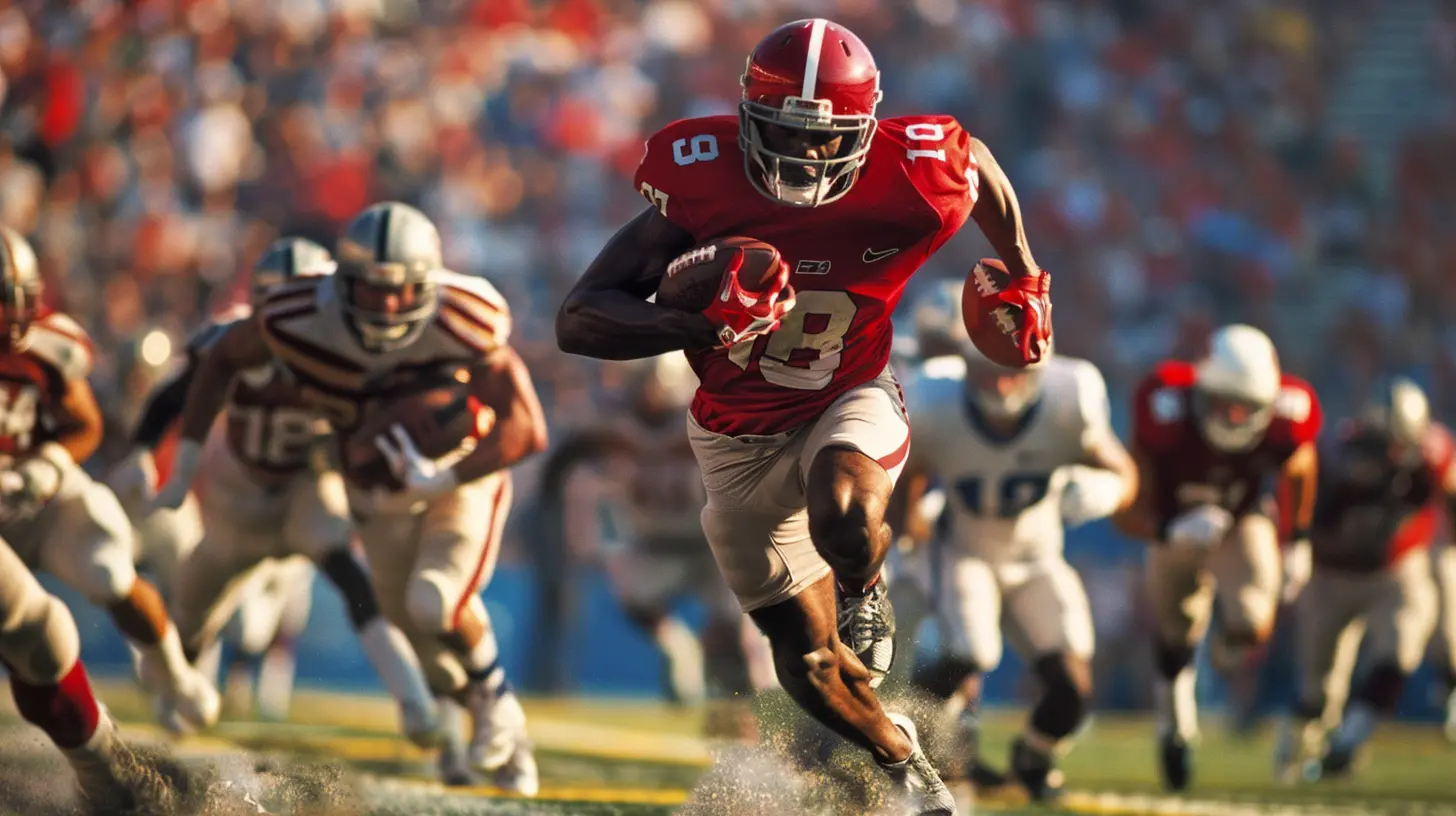
Why Do Upsets Happen in Sports?
Before we figure out how to stop them, let’s understand why they happen in the first place. Upsets usually boil down to a few things:- Complacency from the favorite
- Underestimating the opponent
- Overconfidence
- Lack of preparation
- Emotional edge going to the underdog
Sound familiar? It happens more often than we want to admit.
Underdogs play with a chip on their shoulder. They've got nothing to lose. That hunger can bring out a whole new level of grit. Meanwhile, the favorite might cruise in thinking it’ll be an easy win. That's the perfect recipe for an upset.
Mental Preparation: It Starts with Respect
Here’s the first golden rule—never underestimate your opponent.It’s easy to look at rankings or records and relax. But every team, no matter how low the stats suggest, has weapons. Maybe it’s a scrappy defense, a high-energy bench, or a coach with a trick up their sleeve. That’s why mental preparation is key.
Treat every opponent like a championship contender. Even if you’ve beaten them before. Even if they’re on a 10-game losing streak. The moment you let your guard down, you’ve already given them an edge.
Quick Tip: Create a team culture that values humility and hunger. Stay focused, stay grounded, and play like you're the underdog—every single game.
Data-Driven Scouting: Know Thy Opponent
If you want to counter an underdog, you need to know how they fight.Don’t rely on gut feelings or highlight reels. Use analytics, scouting reports, and film sessions to dissect their play. Look for patterns. Maybe their shooting percentage dips in the second half. Maybe they foul more under pressure. These small things add up quick.
Break it down:
- Player strengths & weaknesses: Who’s hot? Who’s shaky under pressure?
- Play styles: Are they fast-paced or possession-focused?
- Situational tactics: How do they react when trailing or leading?
Sometimes, teams overlook the underdog and skip the film work. Don’t fall into that trap. Over-preparation beats overconfidence every time.
Play to Your Strengths—Relentlessly
Want to know what top-tier teams do really well? They stay true to what works.When facing a weaker team, it can be tempting to try new things or get flashy. But this is exactly when you want to double down on your bread and butter.
If your team dominates in transition, make pace your weapon. If you're deadly from the corners, keep feeding those shots. The idea is to establish rhythm and control early.
You don't need to prove anything to anyone—you just need to win.
Establish Tempo Early
The longer an underdog stays in the game, the more confidence they build. That’s why setting the tone early is critical.You want to control the tempo from the first whistle. Whether it’s through physicality, ball movement, or defensive discipline—send the message: "This game is ours."
Why does tempo matter? Because underdogs thrive on chaos. If you let the game get scrappy or unpredictable, you’re dancing in their arena. Instead, make them play your game.
Respect the Details: Fundamentals Win Games
It’s easy in big mismatches to gloss over the basics. But those seemingly small moments? They stack up fast.- Secure rebounds
- Make free throws
- Communicate on defense
- Limit turnovers
These aren’t flashy, but they are foundational. Teams often lose to underdogs not because of one big play—but because of a lot of little lapses.
Don’t let that be you.
Avoid Over-Rotation or Experimental Lineups
Let’s talk coaching philosophy for a second. We get it—you want to give bench players valuable minutes. Rotations help develop depth. But there's a right time and place.In high-risk games against underdogs, stick with what you know.
Going too deep into the bench or experimenting with new combos can disrupt rhythm and chemistry. If the underdog smells blood—say, after a quick 8-0 run on your second unit—they’ll pounce.
Pro tip: Earn that cushion first. Once you’ve built a solid lead and established control, then you can experiment.
Play with Urgency… Always
There’s no such thing as a “safe lead” in modern sports. Whether it’s a 20-point lead in basketball or a 3-goal cushion in soccer, it can vanish faster than you think.That’s why the best teams play like they’re behind—even when they’re up.
Don’t let the scoreboard dictate your intensity. Keep your foot on the gas. Keep pressing. Keep hustling. Because the moment you start coasting, the underdog starts believing.
And belief? That's fuel for upsets.
Reinforce Defensive Intensity
Underdogs often thrive on one thing: momentum.And nothing kills momentum like smothering defense. You want to break their rhythm, frustrate their scorers, and make every possession a battle.
Good defense not only limits scoring—it steals energy.
How to amp up the D:
- Apply full-court pressure early
- Cut off passing lanes
- Force them into uncomfortable matchups
- Talk on every possession
Defense isn’t just about stopping points; it’s about sending a message: “You’re not getting anything easy today.”
Stay Mentally Tough If It Gets Close
Let’s say it’s the final quarter, and the underdog is hanging around. Now what?First rule: Don’t panic. Good teams stay composed.
Momentum can swing fast, and the crowd might get loud, but if you trust your system and stay poised, you’ll grind your way back.
Important: This is where leadership matters. Whether it’s a veteran player or a coach, someone needs to step up, calm the nerves, and remind the team who they are.
Because at the end of the day, experience and composure can overcome adrenaline and hype.
Use Timeouts Strategically
If there’s ever a time to use a timeout, it’s when underdogs start to believe they can win.Don’t hesitate to burn one if:
- They go on a run
- Your team looks flat
- The energy shifts
A well-timed timeout resets momentum, reinforces strategy, and reignites focus.
Too many coaches sit on their timeouts like they're saving them for a rainy day. Use them as tools—not trophies.
Don’t Feed Their Fire
Underdog teams feed off of emotion, and trash-talking or showboating can backfire hard.Stay disciplined. No cheap fouls. No unnecessary drama. Keep the game about execution, not ego.
Play with an edge—but don’t play emotional. Because once the game becomes a battle of emotions, it’s anyone’s game.
Review and Reinforce After the Game
Even if you win comfortably, don’t just brush it off.What went well? What didn’t? Did you lose focus during any stretch? Were there any warning signs that need addressing?
Post-game reflection is where growth happens. It’s how good teams become great ones. Use these games to tighten your screws and build mental endurance.
Real Life Example: When Favorites Fail
Think about the 2018 NCAA Tournament—Virginia, the overall 1-seed, got bounced by UMBC, a 16-seed. First time in history. It wasn’t just the shock of the result—it was how it happened.Virginia came in cool, maybe a little too confident. UMBC came in with fire. Fast tempo. Sharp movement. Relentless hustle. Virginia didn’t adjust until it was too late.
That game will be played on replay for years—not because of skill disparity, but because of strategy (or lack of it). Don’t be the next viral upset.
Final Thoughts: Respect All, Fear None
Countering the underdog comes down to this:- Respect every opponent
- Prepare like it’s a championship
- Stick to your strengths
- Play with intensity
- Stay disciplined
The upset isn’t just a “bad day.” It’s often a perfect storm of poor mindset, bad habits, and missed opportunities. But with the right strategy? You can weather that storm—and stay standing.
Because in the arena of competition, smart always beats flashy. And preparation? That’s your true superpower.
all images in this post were generated using AI tools
Category:
StrategyAuthor:

Fernando Franklin
Discussion
rate this article
2 comments
Alessia Chapman
“Smart strategies ensure victory over any underdog.”
April 21, 2026 at 11:35 AM
Fernando Franklin
Absolutely, smart strategies can level the playing field and neutralize surprises. It's all about preparation and adaptability.
Kenzie McMillan
Smart strategies can neutralize the unpredictability of underdog momentum.
April 2, 2026 at 10:52 AM