Cultural Impact: How National Teams Unite Their Countries
16 August 2026
Sports—they're more than just games, aren't they? They pull us in with the drama, the flair, the unexpected twists. But behind all that action on the field, there’s something even more powerful going on. National sports teams do something incredible: they bring entire countries together.
Whether it's the nail-biting tension of a World Cup final, the national anthem echoing in a packed stadium, or millions glued to their screens at home—there’s unity in the chaos. Let's unpack how these teams go beyond sports and help unite people, regardless of their differences.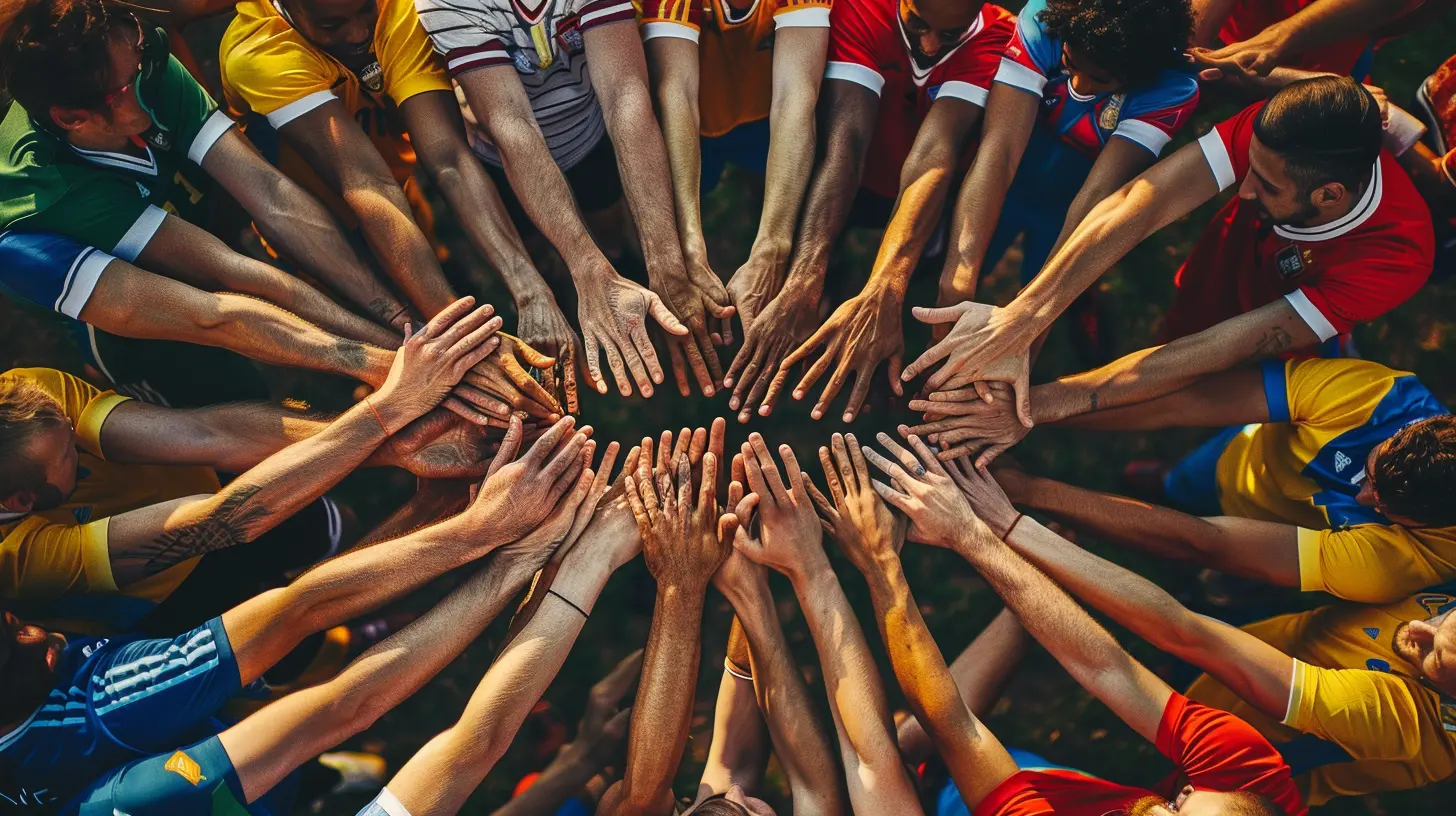
The Magic of National Teams
Ever noticed how a nation almost hits “pause” during a big match? Streets empty, businesses close early, and people—even strangers—cheer together. That’s the magic of national teams.It doesn’t matter where you come from, what you believe in, or who you vote for. During those 90 minutes of a soccer match or the innings of a cricket game, you're wearing the same jersey—even if it's just in your heart.
A Mirror of National Identity
National teams serve as living symbols of identity. Think about it—when athletes wear the nation's colors, they’re representing something much bigger than themselves. They become walking, running, sweating reflections of pride, struggle, and resilience.From Brazil's samba-infused football to New Zealand's haka before rugby, these athletes give culture a global stage. You're not just watching a game; you're watching history, heritage, and hope.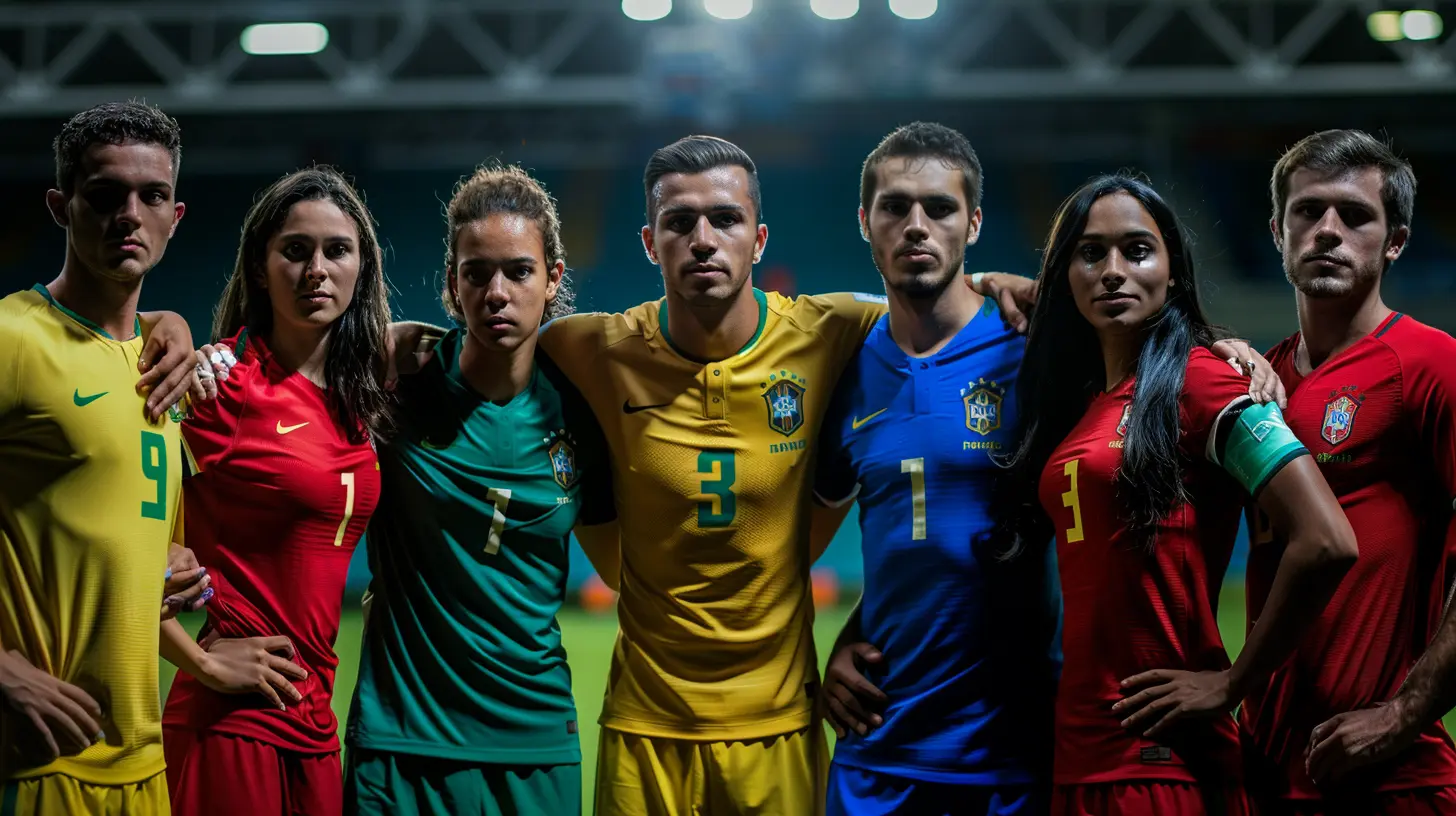
A Common Ground in Divided Times
Let’s be real—every country faces its fair share of divides. Political tension, social unrest, economic disparities... the list is long. But here’s the kicker: sports can pause all that—even if just temporarily.When Politics Steps Aside
Remember the 2018 World Cup? Croatia, a tiny nation of just over 4 million, reached the final. For weeks, political debates took a backseat. People weren't talking about party lines—they were painting faces, waving flags, dancing in the streets. It wasn't about left or right; it was about red, white, and blue.Healing After Tragedy
After national tragedies, sports often become a healing tool. Take post-9/11 New York. When the Yankees played again, the stadium was more than a field—it was a place to grieve, cheer, and begin to move forward. The same happened in France after the 2015 Paris attacks. A football match became a symbol of resistance and unity.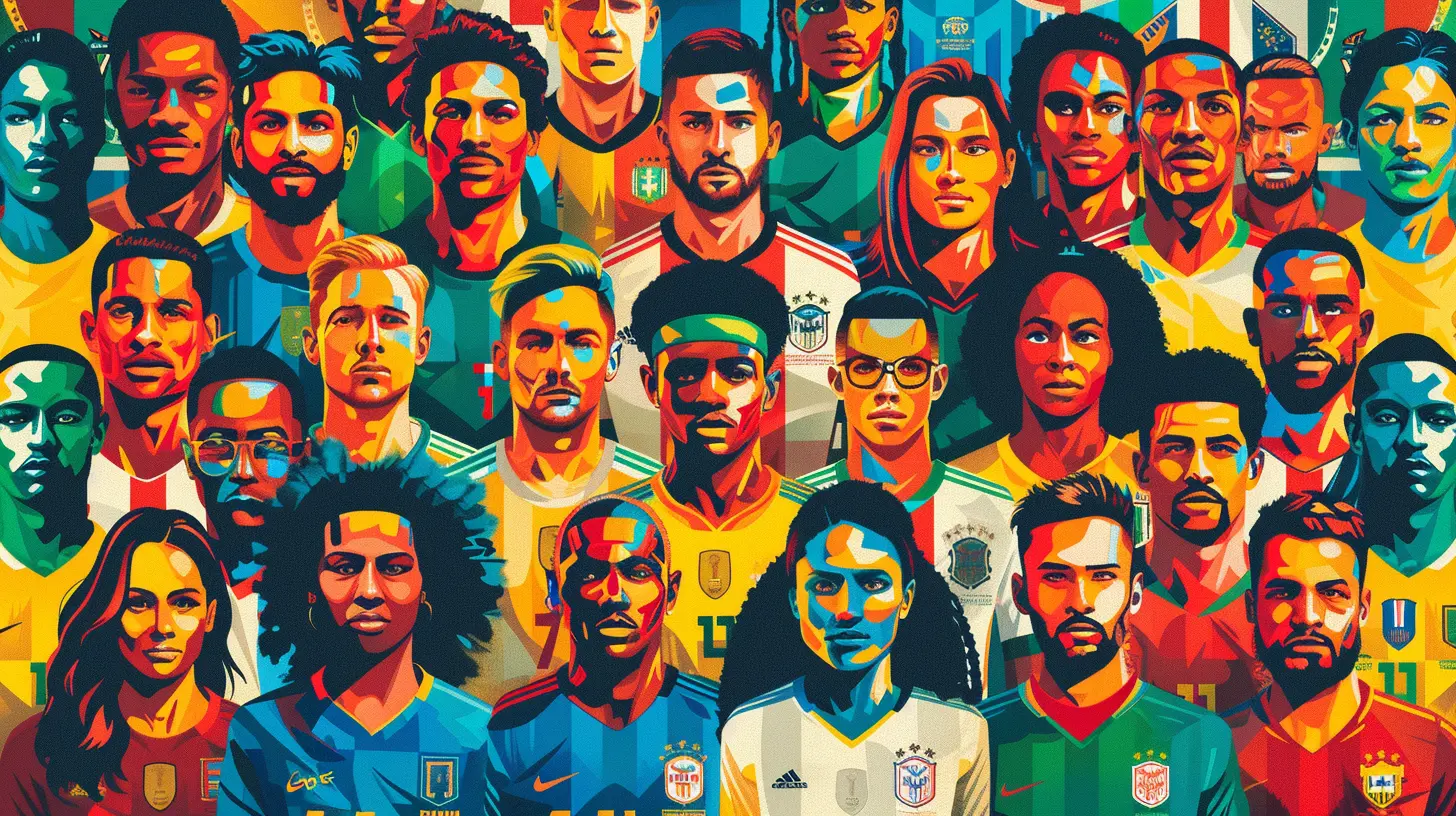
The Power of Representation
Here's another layer: representation. Seeing someone from your neighborhood, your ethnicity, or your background on the national team? That hits differently.Breaking Barriers
Players like Kylian Mbappé, Megan Rapinoe, and Raheem Sterling don’t just score goals—they break barriers. They show kids from underrepresented communities that they, too, can make it. That representation turns into a source of inspiration and pride.Building Inclusivity
National teams often reflect a country’s diversity, even when politics don’t. In France’s 2018 World Cup-winning team, a stunning number of players were of African descent. That team showed what real inclusivity looks like—and how powerful a united front can be.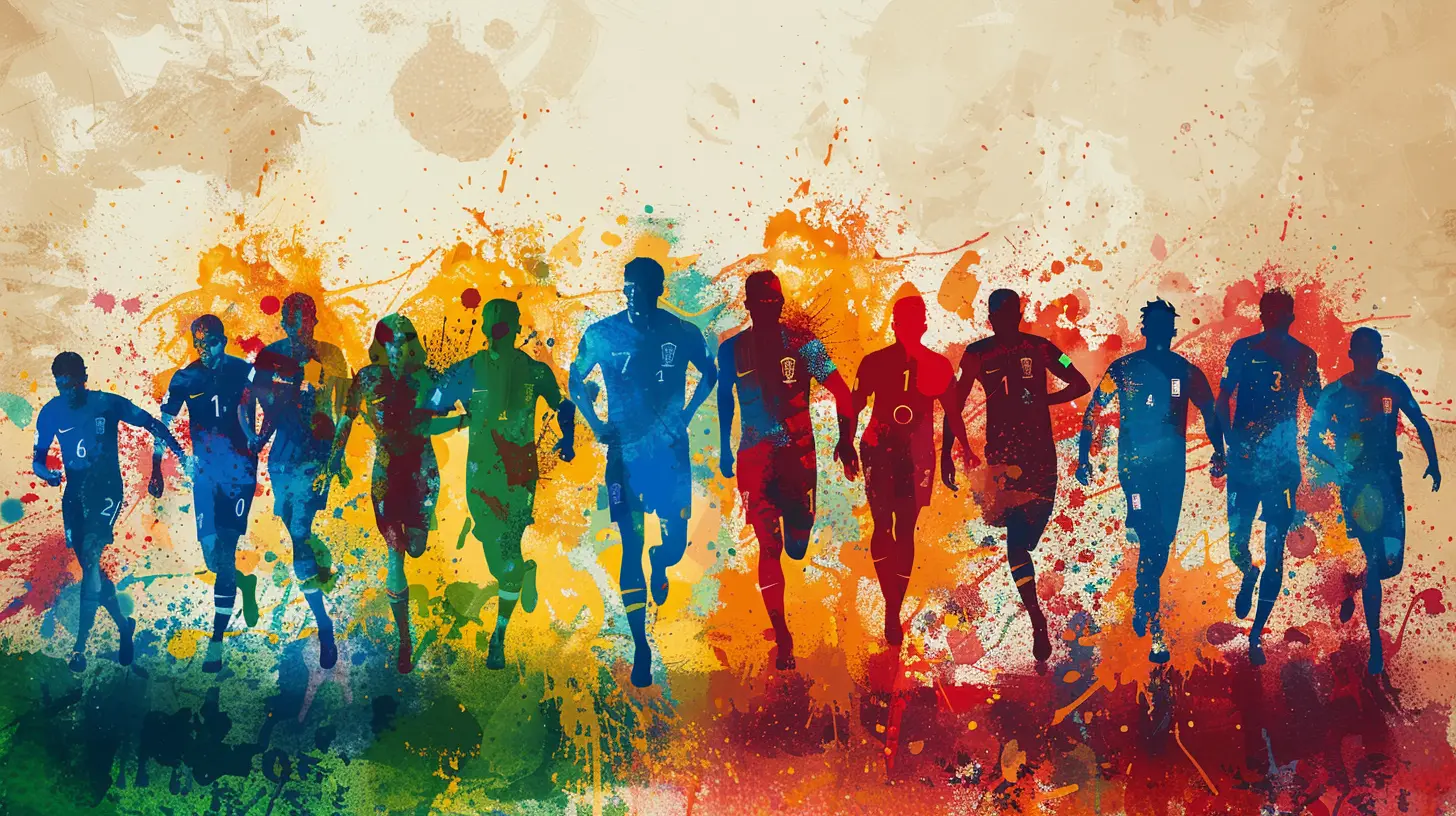
National Celebrations: The Shared Joy
Nothing brings out the party like a big win. Remember when Italy won the Euro 2020 title? The streets became rivers of joy. People danced, sang, and hugged strangers. That’s not just celebration—that's connection.Rituals That Build Bonds
Fans have their rituals. Face painting, jersey-wearing, anthem-singing—it’s all part of the emotional investment. These traditions become cultural moments passed down through generations. Grandpa talks about '88. Dad remembers '98. You’ll tell your kids about '24.And what are those if not rituals that bind together a nation's past, present, and future?
Small Nations, Big Heart
You don’t need a population of millions to feel the national pride through sports. In fact, smaller nations often feel it more intensely.Iceland’s Roar Heard Round the World
When Iceland qualified for the 2016 UEFA European Championship—and made it to the quarter-finals—the world took notice. But at home? The entire nation was vibrating with pride. Around 10% of the population traveled to watch, and the “Viking Clap” became a sound of solidarity that echoed worldwide.Underdogs Create Unbreakable Unity
Underdog stories capture hearts. They remind people of resilience and grit. They send a powerful message: no matter how small you are, you can go head-to-head with giants. And that belief doesn't stay on the field—it spreads like wildfire through the whole nation.How Youth Get Inspired
Sports can shape dreams. When a kid sees their national team lifting a trophy, something sparks. It’s more than admiration—it’s aspiration.Fueling the Future
Success on the global stage often leads to boosts in youth participation. Fields, courts, and tracks fill with young people chasing that same dream. It’s a ripple effect: one great tournament can inspire a whole generation of athletes, coaches, and supporters.Teaching Life Skills
Being a fan, especially of a national team, teaches patience, disappointment, hope, and loyalty. You win some, you lose some—but you stand by your team. These values are critical in everyday life too.Cultural Soft Power at Its Finest
When countries succeed in sports, it’s not just about medals or rankings—it’s about global image. National teams are cultural ambassadors.Sport as a Stage
Think about it—how many people first learned about Jamaica through the success of its sprinters? Or fell in love with Argentina through Maradona and Messi? National teams open cultural doors. They create curiosity and appreciation.Tourism and Economic Benefits
Let’s not forget the economic side. A successful sports moment can attract tourists, sponsors, and investments. It’s a win on all fronts, not just the scoreboard.We vs. Me: A Rare Moment of Unity
In a world that often feels polarized and divided, national teams give us a rare and precious moment of “we.” It’s about collective emotion—cheering, crying, hoping as one.The Anthem Effect
Ever get chills when the national anthem plays before a big game? That’s not just music—it’s a sound of shared identity. It’s a moment where millions of hearts beat as one.Social Media and Collective Experience
In today’s digital age, unity spreads faster than ever. Hashtags trend, memes go viral, watch parties pop up across continents. Whether you're in a stadium, a pub, or just on Twitter, you’re part of one big cheering, screaming, heart-racing family.Final Whistle Thoughts
So, yes, sports are just games. But when national teams play, it’s a whole lot more. It’s history, pride, pain, joy, and unity rolled into 90 minutes (or more, if you’re into overtime drama).They say a picture is worth a thousand words—but perhaps a national team, in motion and passion, is worth a million emotions. It reminds us that despite our differences, we do share something valuable: the unshakable will to stand behind something bigger than ourselves.
Next time your national team plays, take a moment. Look around. Feel the vibes. You're not just watching a match—you’re witnessing a moment of national unity.
all images in this post were generated using AI tools
Category:
National TeamsAuthor:

Fernando Franklin