Dealing with Chronic Pain as an Athlete: Tips from Sports Medicine Experts
9 December 2025
Let’s be real for a second—chronic pain sucks. And if you’re an athlete, it can feel like a constant battle between pushing your limits and protecting your body. Whether you're a weekend warrior, a seasoned pro, or somewhere in between, chronic pain doesn’t discriminate. It sneaks in, sticks around, and makes every training session a mental and physical grind.
But here’s the good news: there are ways to manage it. And not just to "get by," but to continue competing, training, and doing what you love without letting the pain define you.
So, let’s dive into some honest, no-fluff advice from sports medicine experts on how to deal with chronic pain as an athlete.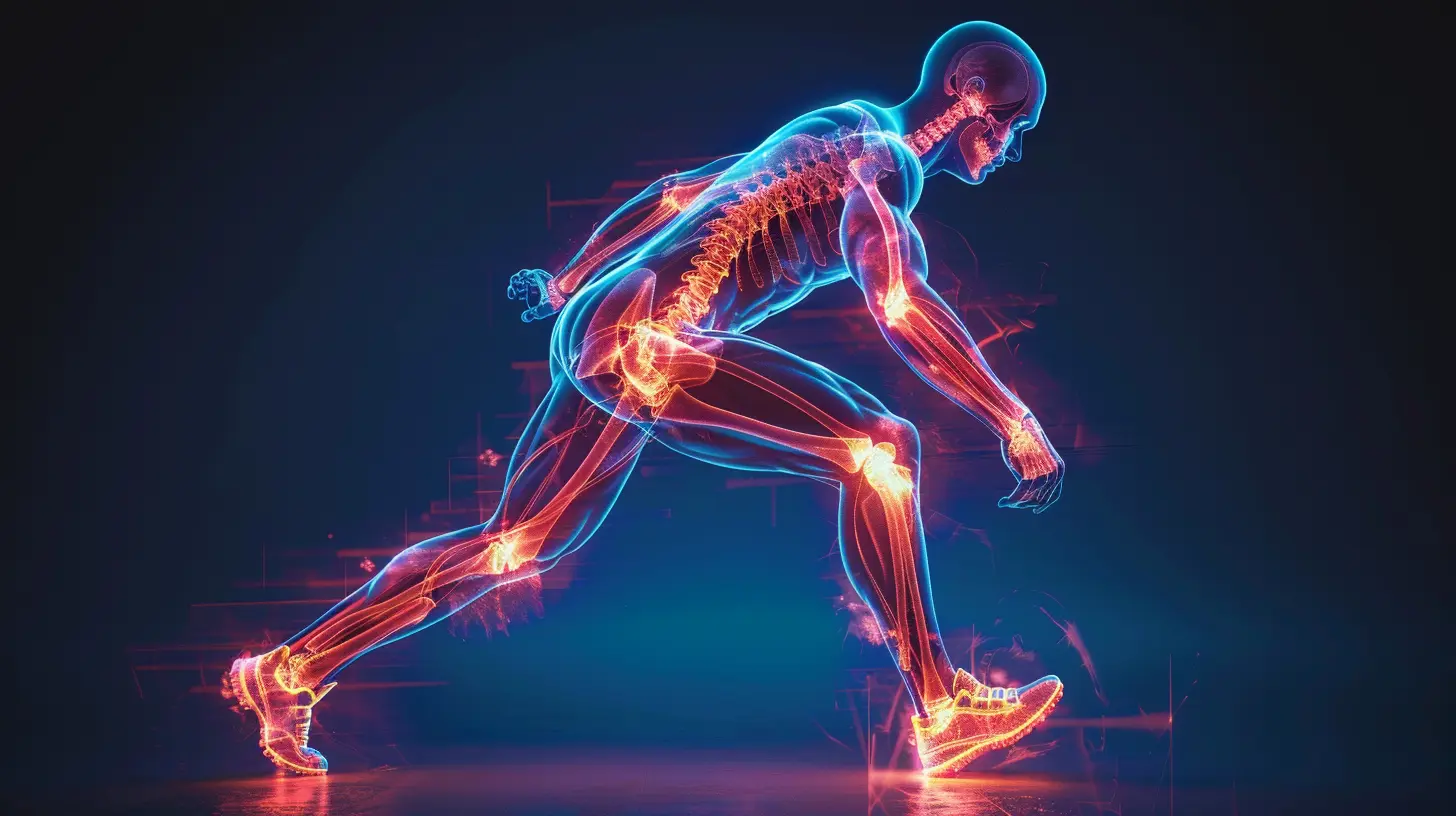
What Exactly Is Chronic Pain?
Before we talk solutions, let’s clear up what we mean by chronic pain. It’s not just soreness after a tough workout. Chronic pain is pain that hangs around for weeks, months, sometimes even years. It can stem from an old injury that never healed right, repetitive strain, a hidden condition like arthritis, or sometimes...well, no one really knows. And that’s part of what makes it so frustrating.In short, chronic pain is the uninvited teammate that refuses to leave.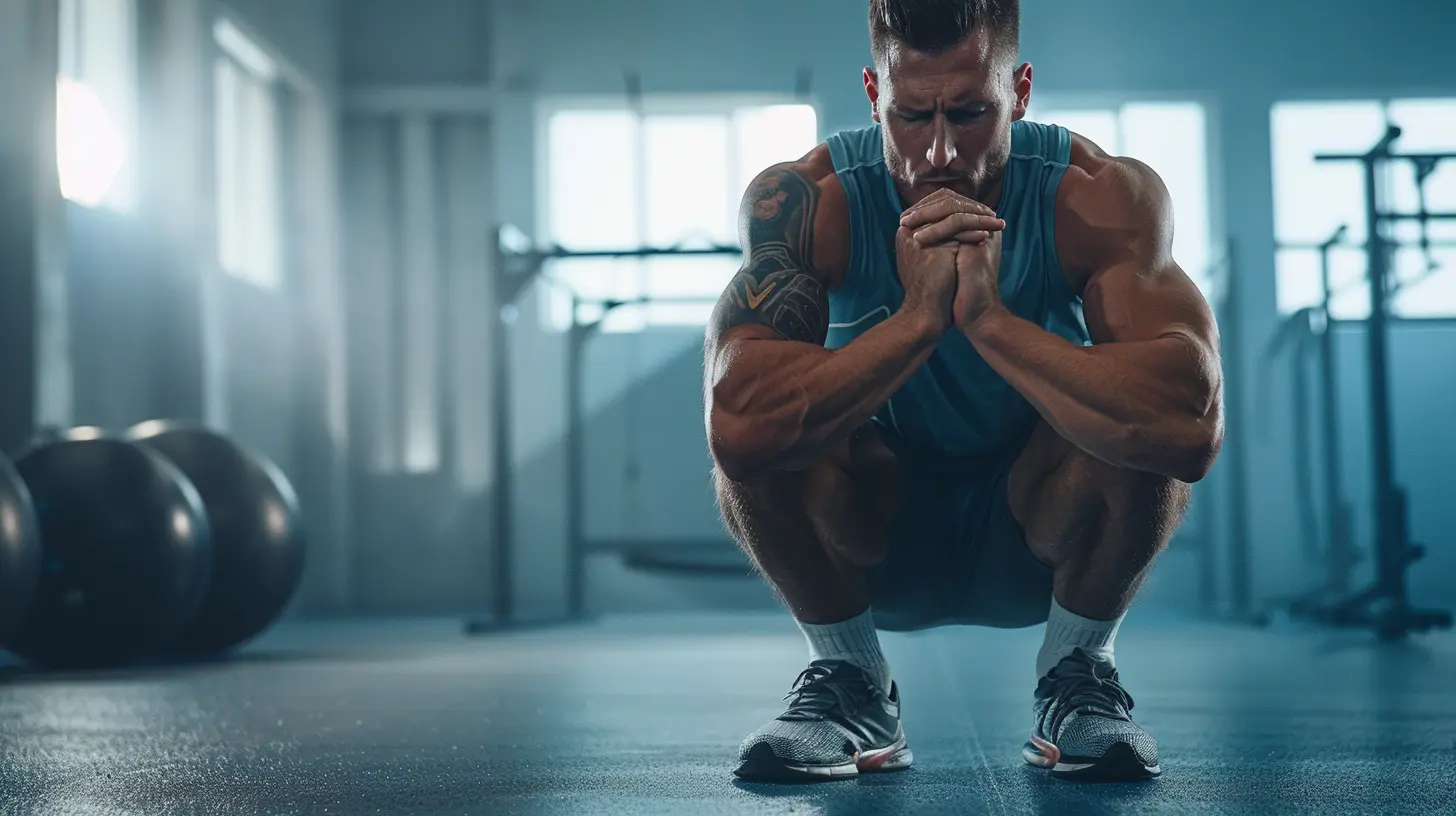
Why Chronic Pain Hits Athletes Harder
If you’ve spent any serious time playing sports, your body’s been through the wringer. Twisted ankles, torn ligaments, overworked muscles—it’s all part of the game. But athletes also tend to ignore pain longer than most folks. Why? Because we’re trained to “tough it out,” “walk it off,” or “play through it.” Sound familiar?Over time, that go-hard-or-go-home mindset can lead to chronic issues. What started as a minor strain becomes a nagging injury that affects everything—mobility, performance, even sleep and mood.
So yeah, chronic pain packs a bigger punch when you’re used to pushing your physical limits every single day.
Tip #1: Stop Ignoring the Pain
First things first—listen to your body. This might sound basic, but it's the tip that gets ignored the most.Pain is your body’s way of waving a red flag. When you constantly push through it, you’re not being tough—you’re being reckless. You wouldn’t drive your car for months with the check engine light on, right? Treat your body with the same respect.
When pain lasts more than a few weeks or starts affecting your daily life, it’s time to get it checked out by a professional. Not just your team coach or that gym buddy who “had the same thing last year.” You need real medical advice.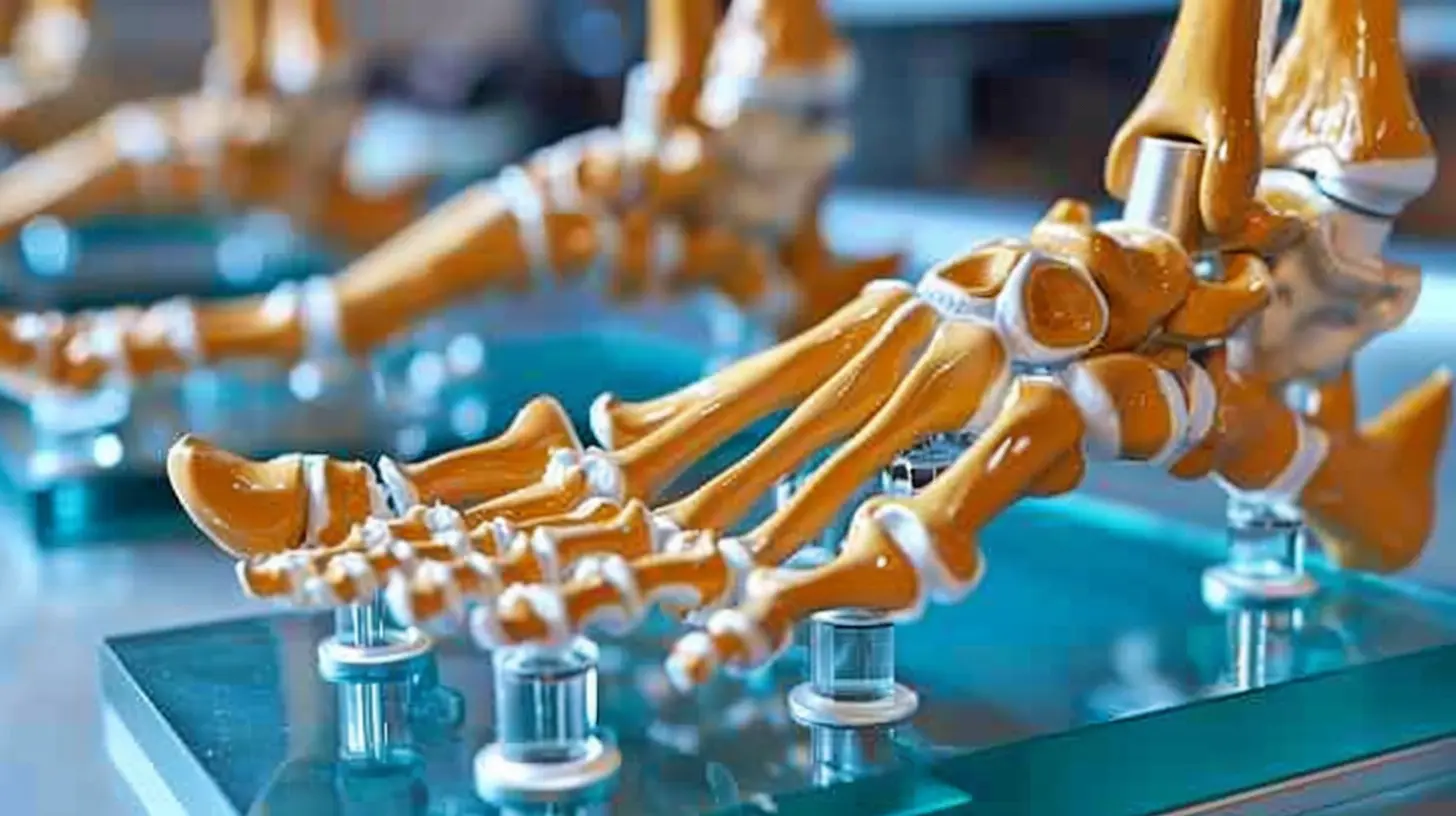
Tip #2: Build a Team of Experts
Managing chronic pain isn’t a solo sport. You need a squad. Think of them as your personal pit crew: people who specialize in keeping you running smoothly.Here's who you might want in your corner:
- Sports Medicine Doctor – They understand the unique needs of athletes and can pinpoint underlying causes.
- Physical Therapist (PT) – PTs help you rebuild strength, improve mobility, and teach you to move smarter.
- Athletic Trainer – If you’re actively training or competing, these folks can help with day-to-day pain management.
- Mental Health Professional – Chronic pain isn’t just physical—it can mess with your head. Therapy helps.
- Nutritionist – Pain and inflammation are closely tied to nutrition. What you eat matters more than you think.
Don’t try to DIY serious pain management. This is one area where professional guidance is priceless.
Tip #3: Rethink Your Training Strategy
When you’re dealing with chronic pain, the “grind harder” mentality won’t cut it. You’ve got to train smarter.Here’s how:
⏱️ Embrace Active Recovery
Not every day has to be high-intensity. Incorporate days focused on mobility, stretching, or light cardio. Think swimming over sprinting. Yoga over deadlifts.🗓️ Periodize Your Training
This is just a fancy way of saying: plan your workouts in waves. Mix in phases of intensity with periods of rest and lighter work. It helps reduce stress on your body over time.🎯 Focus on Form Over Ego
It’s tempting to chase personal records, but sloppy movement is a one-way ticket to more pain. Slow it down. Get a coach or PT to check your form. Quality beats quantity every time.Tip #4: Use the Right Recovery Tools
Let’s talk gear. There’s a whole market of tools that claim to ease pain and speed up recovery. Some actually work. Others? Pure hype. Here are a few worth considering:✅ Foam Rollers and Massage Guns
Simple, effective tools for reducing muscle tightness and improving blood flow. Just don’t use them as a fix-all—think of them as a warm-up to your warm-up.✅ Hot and Cold Therapy
Alternating hot and cold (contrast therapy) helps with inflammation and circulation. Ice for acute flare-ups. Heat for stiffness and tension.✅ Compression Gear
Sleeves, wraps, or socks can boost blood flow and reduce swelling. Not magic, but helpful.❌ Skip the Snake Oil
Be wary of miracle creams or one-size-fits-all gizmos. If it sounds too good to be true, it probably is. Stick with tools backed by science—or better yet, ask your PT.Tip #5: Pay Attention to Mental Health
Here’s something not enough people talk about: chronic pain can mess with your head.After all, pain doesn't just affect your body—it hijacks your entire life. It steals motivation, ruins sleep, and makes you question your identity, especially when your identity is wrapped up in being an athlete.
If you’re feeling angry, anxious, or depressed about your pain, you’re not weak. You’re human.
Talking to a mental health professional isn't just for "serious" problems. It’s a proactive way to stay sane while your body goes through the wringer.
Stress, anxiety, and poor sleep all amplify pain. Fixing your mindset can actually help reduce how much pain you feel physically.
Tip #6: Get Your Nutrition Dialed In
What you put in your body plays a huge role in how it heals and performs. Chronic pain often comes with chronic inflammation, and certain foods only make it worse.🥦 Eat Anti-Inflammatory Foods
- Fatty fish (like salmon)- Leafy greens
- Berries and cherries
- Nuts and seeds
- Olive oil
🚫 Avoid the Junk
- Sugar (yep, that post-game donut’s not doing you any favors)- Processed foods
- Excess alcohol
- Trans fats
Eating clean won’t "cure" your pain, but it creates a better environment for your body to heal itself. Think of it as giving your body the high-octane fuel it deserves.
Tip #7: Stay Consistent with Your Routine
When you're in pain, skipping workouts (or rehab routines) is tempting. But consistency is your best weapon. You’ve got to keep showing up—even on the bad days.Now, that doesn’t mean powering through pain blindly. It means sticking to the plan you and your care team created. It means doing your mobility drills, taking your supplements, showing up to therapy, even when progress feels slow.
Small, consistent efforts beat random bursts of heroism every time.
Tip #8: Adjust Your Expectations
This one’s hard. Nobody likes to lower the bar. But sometimes, part of managing chronic pain is knowing your new limits—and being okay with them.Maybe you once ran marathons, but now your body’s cap is a 10K. That’s not failure. That’s evolution. The goal is to stay in the game, not burn out trying to relive your peak.
Be patient with your progress and stop comparing yourself to your past self. Healing isn’t linear, and your journey is your own.
Tip #9: Use Pain as Information, Not a Stop Sign
Pain is a signal, not a sentence.If you pay attention, it can actually teach you a lot. Maybe your posture needs work. Maybe you're overtraining. Maybe your recovery game is weak.
Instead of shutting down the minute pain shows up, pause. Assess. Adjust.
Trust your body, but also know when to challenge it. Working with a PT or coach can help you walk that fine line between protecting your body and pushing your boundaries in a healthy way.
Real Talk: Chronic Pain Doesn’t Mean the End of Your Athletic Journey
Here’s the truth that most athletes don’t hear enough: you can still be an athlete and have chronic pain. Plenty of pros do. It's not about never feeling pain again; it's about managing it wisely, minimizing flare-ups, and keeping your body as strong and balanced as possible.Living and training with chronic pain is a challenge—but it doesn't have to be a deal-breaker. With the right strategy, support, and mindset, you can keep doing what you love.
Even if it looks a little different than before.
Final Thoughts
Dealing with chronic pain as an athlete takes more than toughness—it takes honesty, patience, and a willingness to adapt. It’s not about giving up your athletic identity. It’s about evolving it.So take a breath, build your support team, and start making small changes that move you forward. Your body might be different now, but that doesn’t mean it’s any less capable.
You’ve got this.
all images in this post were generated using AI tools
Category:
Sports MedicineAuthor:

Fernando Franklin
Discussion
rate this article
2 comments
Lola Diaz
This article offers invaluable insights on managing chronic pain. Thank you for sharing these expert tips to help athletes persevere and thrive!
December 18, 2025 at 3:49 AM
Fernando Franklin
Thank you for your kind words! I'm glad you found the insights helpful for managing chronic pain.
Thaddeus Whitaker
Thank you for addressing such an important topic. Chronic pain can be a significant challenge for athletes, and the insights from sports medicine experts are invaluable. It's encouraging to see resources that promote awareness and offer practical tips. This article will surely help many in the sports community.
December 11, 2025 at 3:59 AM
Fernando Franklin
Thank you for your thoughtful feedback! I'm glad you found the insights helpful and that the article can support athletes facing chronic pain.