Does Banning Orders Really Stop Football Hooliganism?
7 April 2026
Football—beautiful, passionate, and exhilarating. But let’s not beat around the bush. There's a dark side that's been shadowing the sport for decades: hooliganism. We’ve all seen the headlines, the ugly scenes in stadiums, and those post-match street brawls. It's disheartening. So governments and football authorities have attempted all sorts of crackdowns over the years, and one of the big ones is banning orders.
But here’s the million-dollar question: Does banning someone from the stadium actually stop them from causing trouble?
Let’s peel this apart, shall we?
What Are Football Banning Orders Anyway?
Before diving into whether they work, let’s make sure we’re on the same page. A football banning order (FBO) is basically a legal restriction. If a person is involved in football-related violence or disorder, a court can ban them from attending games—sometimes domestically, sometimes internationally. Some fans can’t even be near a stadium for a set number of hours before and after matches. It’s like a restraining order… but for football.Think of it as slapping a “you shall not pass” sign on a hooligan’s weekend plans.
Authorities say these bans are about protecting the public, keeping games family-friendly, and, let’s be honest—saving the image of football.
A Quick Look At The Numbers
Let’s throw in a few stats (don’t worry, we’ll keep it casual).In England and Wales alone, there are thousands of active banning orders at any one time. After high-profile incidents during the '80s and '90s, the UK, in particular, went hard on hooligans. The Football (Disorder) Act 2000 gave courts more power to issue FBOs, even if a person hadn’t been convicted yet but was simply believed to pose a risk of violence at matches abroad.
Sure, reports show a decline in large-scale hooligan events in the UK since then. So at first glance, it seems like banning orders are doing their job. But let’s not be so quick to celebrate.
The Surface Is Calm—But What About Underneath?
Just because you don’t see smoke doesn’t mean there’s no fire.Let’s imagine hooliganism like a weed in a garden. You can trim it down by banning someone from a stadium, but if you don’t get to the roots, it’s gonna grow back. And in many cases, that’s exactly what’s happening.
Here’s the thing: banning someone from a stadium doesn't necessarily change who they are or how they behave. It just removes one location where they might act out. If someone has the will, they’ll find a way—like meeting up with rival groups away from the stadium, in pubs, parks, or even while traveling abroad.
In fact, some hardcore groups prefer to fight away from the stadium. Why? Less police, fewer cameras, lower risk of getting caught. So while the stadium might be quieter, the streets might not be.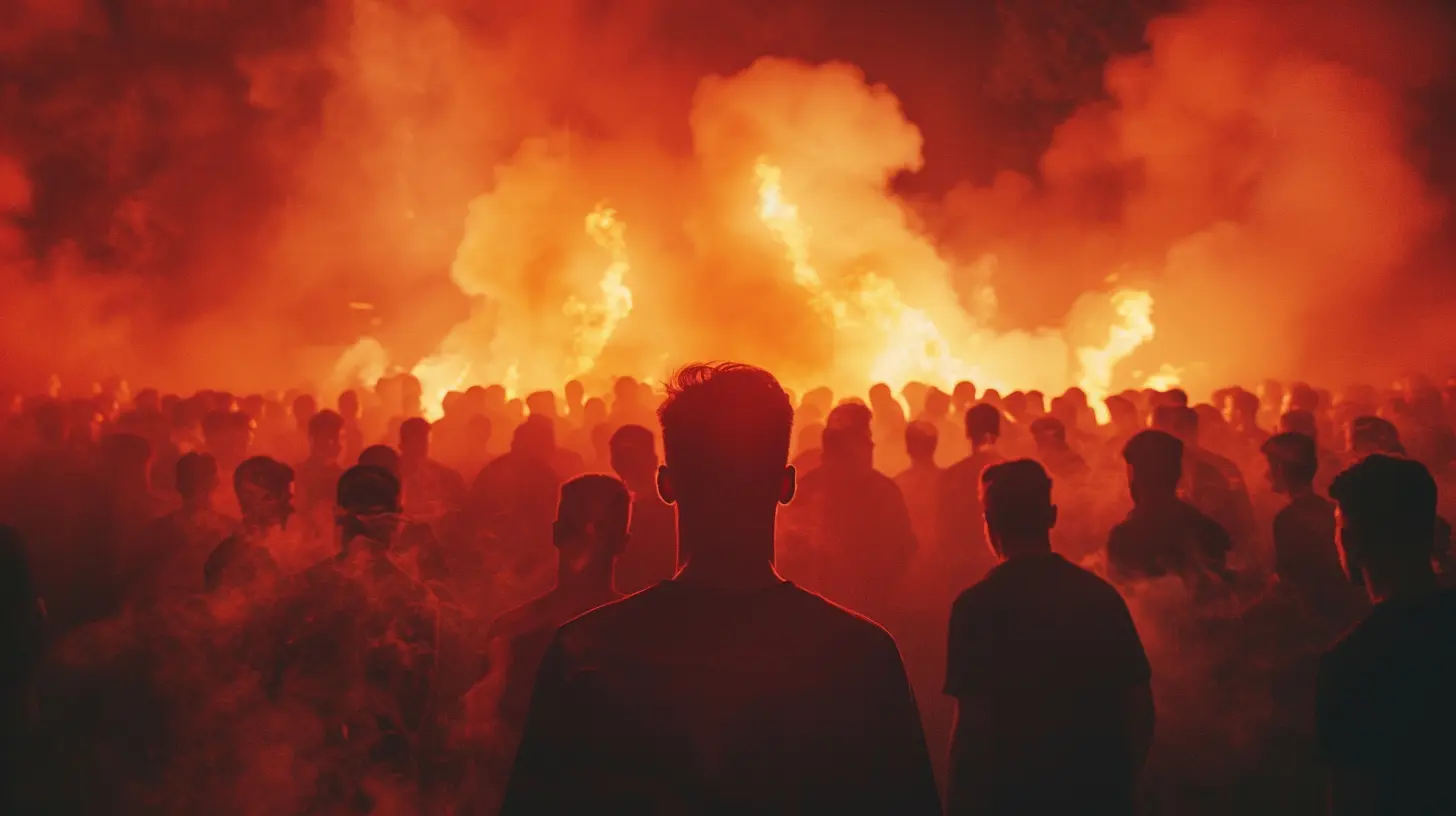
Are We Criminalizing Passion?
Football is tribal. That’s part of what makes it magical. But there’s a fine line between passion and aggression. Sometimes authorities might go overboard.Imagine this: You’re in your twenties, full of adrenaline, shirt off (probably), chanting with your mates. Suddenly a confrontation happens nearby, and now you’re being slapped with a banning order because you were “part of the group.”
Is that fair?
Some fans argue that banning orders can be too heavy-handed, especially when applied preventatively. You don’t even have to be convicted of a crime—just being assumed to be trouble can be enough in some cases. That’s a slippery slope.
The Impact On The Individual
Let’s talk about the emotional side of these bans. Football is more than just a sport—it’s religion for some people. Being told you can’t attend home games, can't travel with your team, or even be near the ground? That’s devastating. And while you might say, “Well, they should’ve behaved,” not everyone with a banning order is a serial brawler.Sometimes a single stupid mistake gets a lifelong fan locked out.
Worse still, a banning order can follow you around. It could affect your travel rights, your job, and your reputation. In some cases, it pushes individuals further into anti-social behavior, instead of guiding them out of it. Instead of feeling reformed… they feel pushed out.
Are There Success Stories?
Yes! Let’s give credit where it’s due. Some cities and clubs have reported massive drops in violence following the introduction of targeted banning orders. In fact, Germany and the UK have seen decent results from combining bans with fan education, surveillance, and even dialogue with fan groups.And during major tournaments, authorities have used banning orders to stop known troublemakers from even leaving the country. That’s helped avoid chaos in foreign cities and has protected the reputation of clubs during big international games.
So, it’s not all doom and gloom.
What Else Can Be Done?
Here’s where it gets interesting.If banning orders are one tool, what are the others? Because let’s be honest—football hooliganism is a social issue, not just a policing issue. So maybe it’s time we tackle it from different angles.
1. Engaging with Fans
Supporters aren't the enemy. Many ultra groups have passionate fans who are totally against violence. Building relationships between clubs and fans can encourage self-policing within the community.Let fans be part of the solution, not just the target of punishments.
2. Educational Programs
Yes, we’re talking about good old-fashioned education. Workshops, campaigns, and community events that drive home the message that violence doesn’t belong in football. Especially for younger fans—catch 'em before they fall into the wrong crowd.3. Better Stadium Design
Modern stadiums are being built with safety in mind, controlling crowd movement and minimizing opportunities for clashes. It’s not just about who’s allowed in, but what kind of environment they’re walking into.4. Tailoring Punishments
Not all hooligans are the same. Some are dangerous ringleaders, others are first-time offenders caught in the wrong place at the wrong time. We shouldn’t treat them all the same. Tailored interventions can make a real difference.The Psychological Side of Hooliganism
Let’s dig deeper.Why do some people feel the urge to turn a football match into a battleground?
Often, it’s not even about football. It’s about identity, social belonging, even boredom. For some, being part of a hooligan group fills a void—it gives them purpose, tribe, and adrenaline. These guys don’t just show up at matches—they live for the atmosphere, the tension, the chaos.
That’s why banning them doesn't always "cure" them. If anything, it can make their craving for action even stronger. Taking someone’s matchday ticket doesn’t remove the reason they were violent in the first place.
So, maybe we need to stop treating hooliganism like a disease and start seeing it more like a symptom.
So... Do Banning Orders Work?
Here’s the honest answer: yes and no.Banning orders are effective at keeping known troublemakers out of stadiums. That’s a win. They make it safer for families, kids, and casual fans. They also send a strong "zero tolerance" message which can deter casual offenders.
But…
They’re not a magic bullet. Hooliganism doesn't start or stop at a stadium gate. And if we rely too heavily on banning orders without addressing the root causes—like social alienation, group dynamics, and the deeper psychology of violence—we’re just playing whack-a-mole.
What’s The Future?
Football is changing. The modern game is more global, more inclusive, and yes, more commercial. The days of unchecked terraces and blind-eye security are (mostly) over. But football still stirs deep emotion. That will never change.So the future of tackling hooliganism must be multi-pronged:
- Smarter technology like facial recognition and AI surveillance
- Deeper engagement between clubs and fans
- Community-led initiatives
- Rehabilitative and tailored justice—not just punishment
Because at the end of the day, football should unite us, not divide us.
Final Whistle
So, does banning orders really stop football hooliganism?They help. But they’re not the whole answer. Like duct tape on a leaky pipe, they cover the problem, but they don’t fix the plumbing.
We need to go deeper. Talk to fans. Understand motivations. Build trust. Create safer spaces. And yes—punish when necessary. But never forget the human side. Because behind every banning order is a fan. Sometimes misled, often misunderstood.
And maybe... just maybe... they deserve a second half.
all images in this post were generated using AI tools
Category:
HooliganismAuthor:
Fernando Franklin
Discussion
rate this article
2 comments
Diana McEvoy
It's a tough call-banning orders might help, but change takes time.
May 23, 2026 at 10:32 AM
Fernando Franklin
You're right. Banning orders can make a difference, but lasting change requires more than just rules. It's a complex issue that needs a broader approach.
Viva Harper
Absolutely! Let’s unite in passion for the game and create a positive atmosphere!
April 7, 2026 at 4:07 AM
Fernando Franklin
I appreciate your enthusiasm! A positive atmosphere is key, but we still need effective measures to address the root of the issue.