Exploring the Correlation Between Time of Possession and Wins in the NFL
16 June 2026
When you think about winning football games, what comes to mind? A superstar quarterback? A dominant defense? While those things matter, there’s another key factor that often flies under the radar—time of possession (TOP).
In simple terms, time of possession refers to how long a team controls the football during a game. The idea is pretty straightforward: if your team has the ball more, your opponent has fewer chances to score. But does controlling the clock truly translate to more victories? Or is it just an overrated statistic?
Let’s break it down and see if more time with the ball actually leads to more wins in the NFL. 
What is Time of Possession (TOP)?
Before we dive deep into the stats and theories, let’s make sure we’re on the same page. Time of possession in football is the total amount of time a team has the ball during a game. The NFL tracks this stat to help analysts and coaches understand which team had more control.For example, if Team A had the ball for 35 minutes while Team B had it for only 25, Team A dominated the possession battle. But does that guarantee victory? Not necessarily. 
The Importance of Controlling the Clock
Keeping the Defense Fresh
Ever noticed how defenses start to wear down late in games? It’s simple—defensive players exert a ton of energy on every play. When an offense controls the ball for extended periods, their defense gets to rest. Meanwhile, the opposing defense is stuck on the field, getting tired.A tired defense is a vulnerable defense. Long drives wear them down, leading to more mistakes, missed tackles, and blown coverages. This is why teams that control the clock often seem stronger in the fourth quarter.
Limiting the Opponent’s Scoring Chances
Football is all about opportunities. The more chances a team has to score, the better their odds of putting up points. By sustaining long drives, an offense can limit the number of chances the opposing team gets.Think about it like a game of musical chairs. The longer you hold onto your seat, the fewer opportunities others have to grab one. If your offense is eating up the clock, the other team's high-powered attack is stuck standing on the sideline.
Controlling the Tempo of the Game
Some teams thrive when the game is fast-paced, while others prefer to slow things down. Teams built around strong running games, for example, love grinding out long drives. It keeps things at their pace, preventing opponents from getting into a rhythm.Slowing the game down also reduces the number of total possessions, which benefits teams with less explosive offenses. If you know you can’t win a shootout, shortening the game might just be the smartest strategy. 
Does Time of Possession Actually Lead to More Wins?
Alright, enough with the theories—let’s talk facts. Historically, teams that win the time of possession battle do tend to have a better shot at winning. But it’s not the only factor.NFL Stats on TOP and Winning Percentage
Over the past decade, teams that win the time of possession battle win roughly 65-70% of their games. That’s a strong correlation, but not a guarantee.For instance, the 2022 Philadelphia Eagles ranked fourth in time of possession and went all the way to the Super Bowl. On the other hand, the Kansas City Chiefs, a team known for fast scoring, often ranked in the middle of the pack in TOP but still won plenty of games.
So, while having the ball more helps, it’s not necessarily a magic formula.
Exceptions to the Rule
Some high-scoring teams don’t need long drives to win. Take the 2019 Kansas City Chiefs—they didn’t dominate time of possession, but their explosive offense could score in just a few plays.Likewise, some teams dominate possession but still fall short. If an offense controls the ball but struggles to score touchdowns (settling for field goals or turning it over), TOP becomes less meaningful.
Turnovers and Efficiency Matter More
If you control the clock but turn the ball over, it negates all the benefits of long drives. Winning the turnover battle is often more critical than just holding onto the ball.Teams like the New England Patriots (under Bill Belichick) have mastered the art of combining time of possession with ball security and efficiency, which is what truly makes the difference. 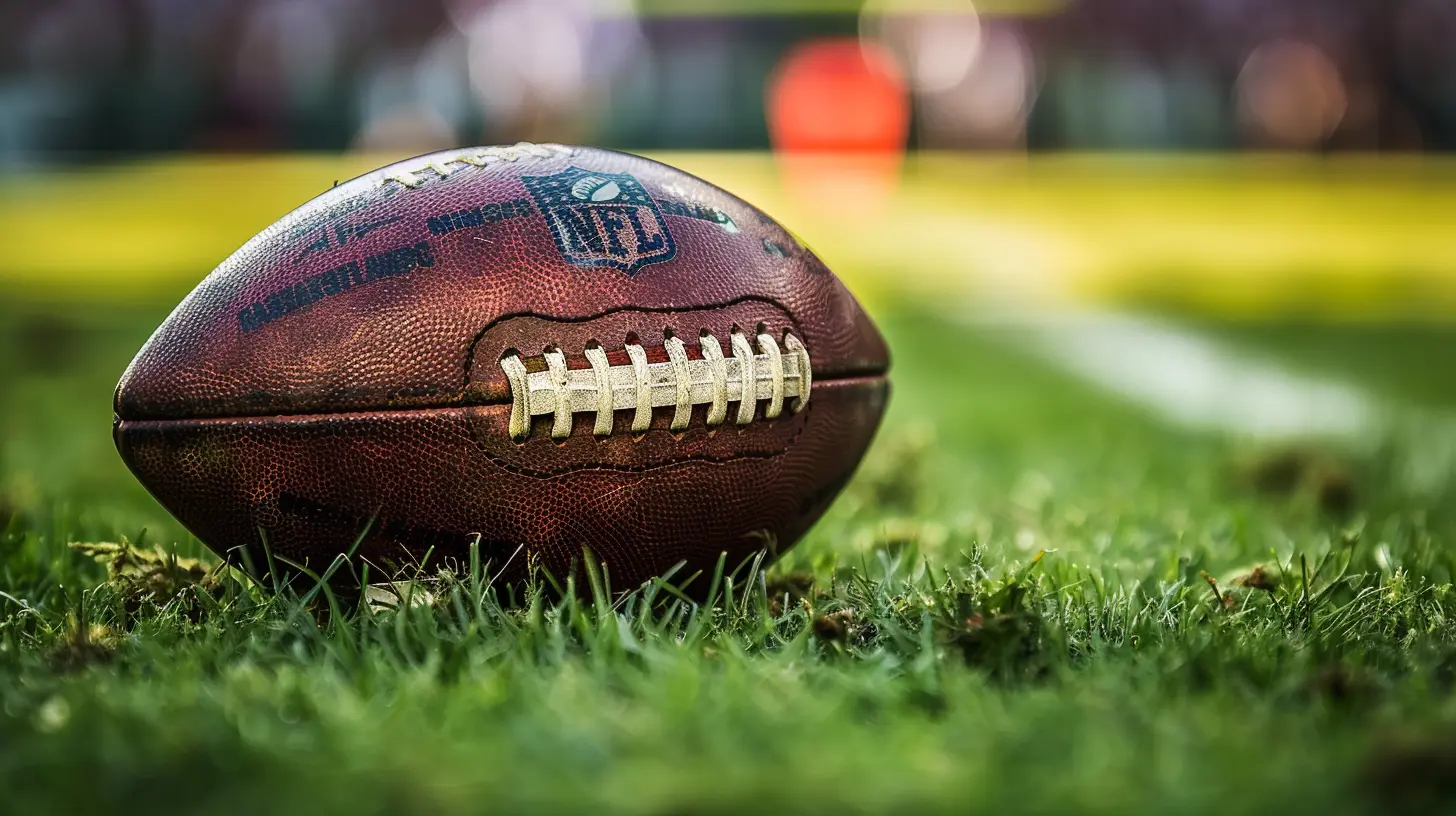
Strategies for Winning the Time of Possession Battle
If time of possession is important, how do teams go about winning it? Here are some tried-and-true strategies that successful teams use:1. Run the Ball Effectively
Running plays keep the clock moving, extending drives and controlling tempo. Teams with dominant running backs, like the Derrick Henry-led Titans, consistently win TOP by pounding the rock and wearing down defenses.2. Convert on Third Downs
You can’t control the clock if you’re punting all the time. Teams that convert third downs at a high rate extend drives and keep the ball in their hands. Good third-down execution is a key factor in sustaining long possessions.3. Avoid Costly Turnovers
Nothing flips TOP faster than a sudden turnover. Teams that protect the football—whether through smart QB play or disciplined ball security—are more likely to win the possession battle.4. Play Great Defense
A strong defense helps win TOP by forcing quick three-and-outs. Defensive-minded teams like the Baltimore Ravens and San Francisco 49ers excel at shutting down opponents quickly, getting the ball back to their offense.5. Smart Clock Management
The best teams know when to slow things down. Late in games, teams with a lead often shift to a ball-control strategy, milking the clock and making it harder for opponents to mount a comeback.Final Verdict: Does Time of Possession Equal Wins?
Is time of possession important? Absolutely. But is it the end-all, be-all stat? Not quite.Winning the TOP battle increases a team’s chances of success, but it has to be paired with efficiency, strong defense, and good decision-making. Teams that dominate possession but fail to convert drives into points often find themselves on the losing end.
In short, controlling the clock is like having a great defense in basketball—it sets the foundation for success. But without execution, it won’t win games on its own.
So, if a team wants to improve their chances of winning, controlling the ball should be part of the blueprint. Just don’t forget about the other key ingredients—because football, like life, is all about balance.
all images in this post were generated using AI tools
Category:
Sports StatisticsAuthor:

Fernando Franklin
Discussion
rate this article
1 comments
Pandora McKittrick
Time of possession is crucial; it often indicates a team's ability to control the game.
June 16, 2026 at 12:31 PM