From Heroes to Hooligans: When Fans Cross the Line
8 April 2026
Sports fandom is a wild ride, bursting with passion, energy, and an unwavering loyalty to teams and players. Supporters bring the soul to any sporting event, turning stadiums into roaring battlegrounds of emotion. But what happens when that passion spirals out of control? When fans, instead of lifting their teams, end up tarnishing the very spirit of the game?
Welcome to the dark side of fandom—where heroes in the stands sometimes morph into hooligans. 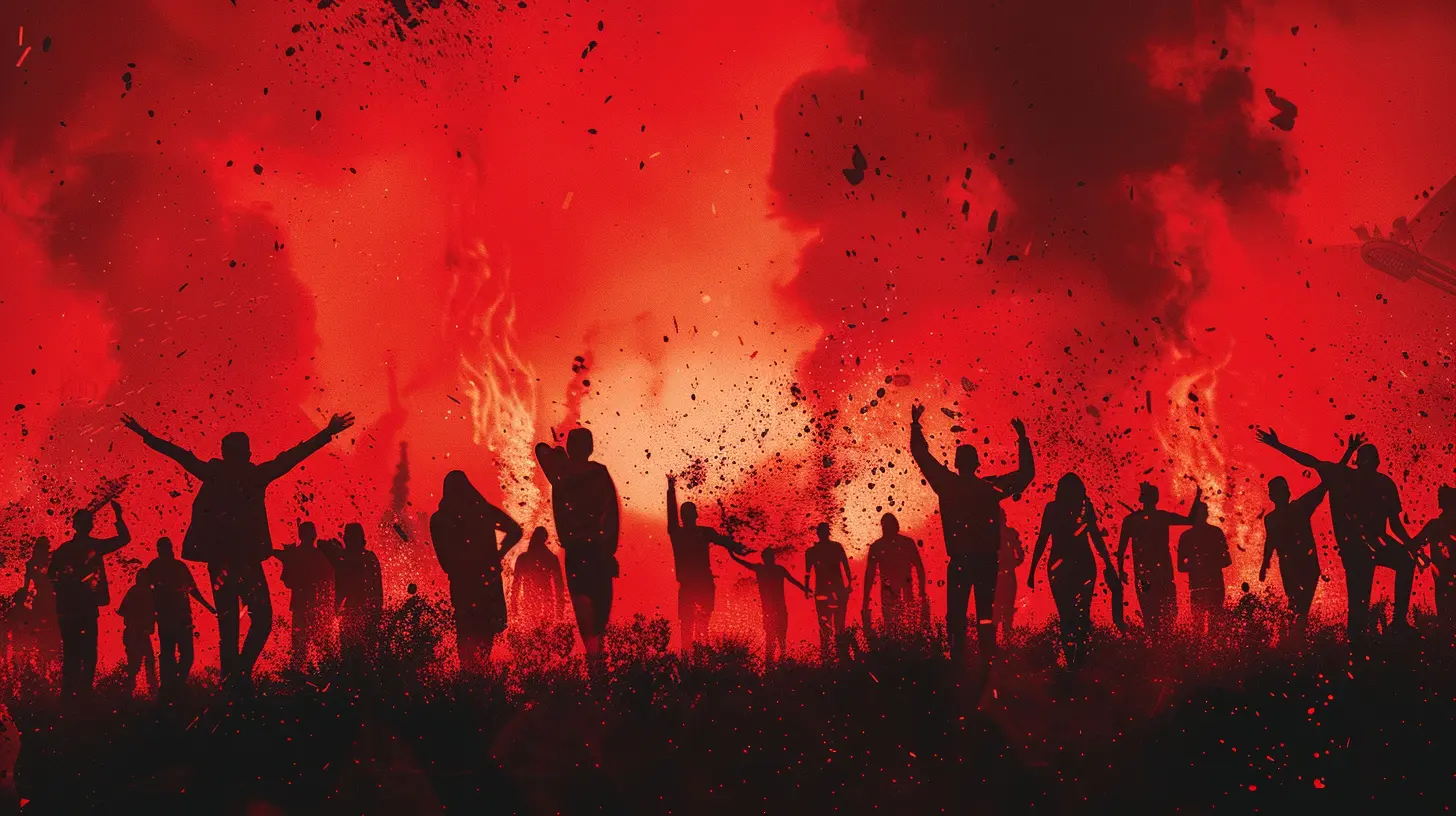
The Thin Line Between Passion and Chaos
Cheering for your team? That’s normal. Screaming at the top of your lungs? Expected. Tossing flares onto the field? Pumping fists in a fistfight with rival fans? That’s crossing the line.There’s a fine balance between being a die-hard supporter and becoming a menace. For most fans, sports bring joy, camaraderie, and unforgettable moments. But for some, it’s an excuse to unleash aggression, sometimes with disastrous consequences.
So why does this happen? Why do some fans go from chanting names to throwing punches? 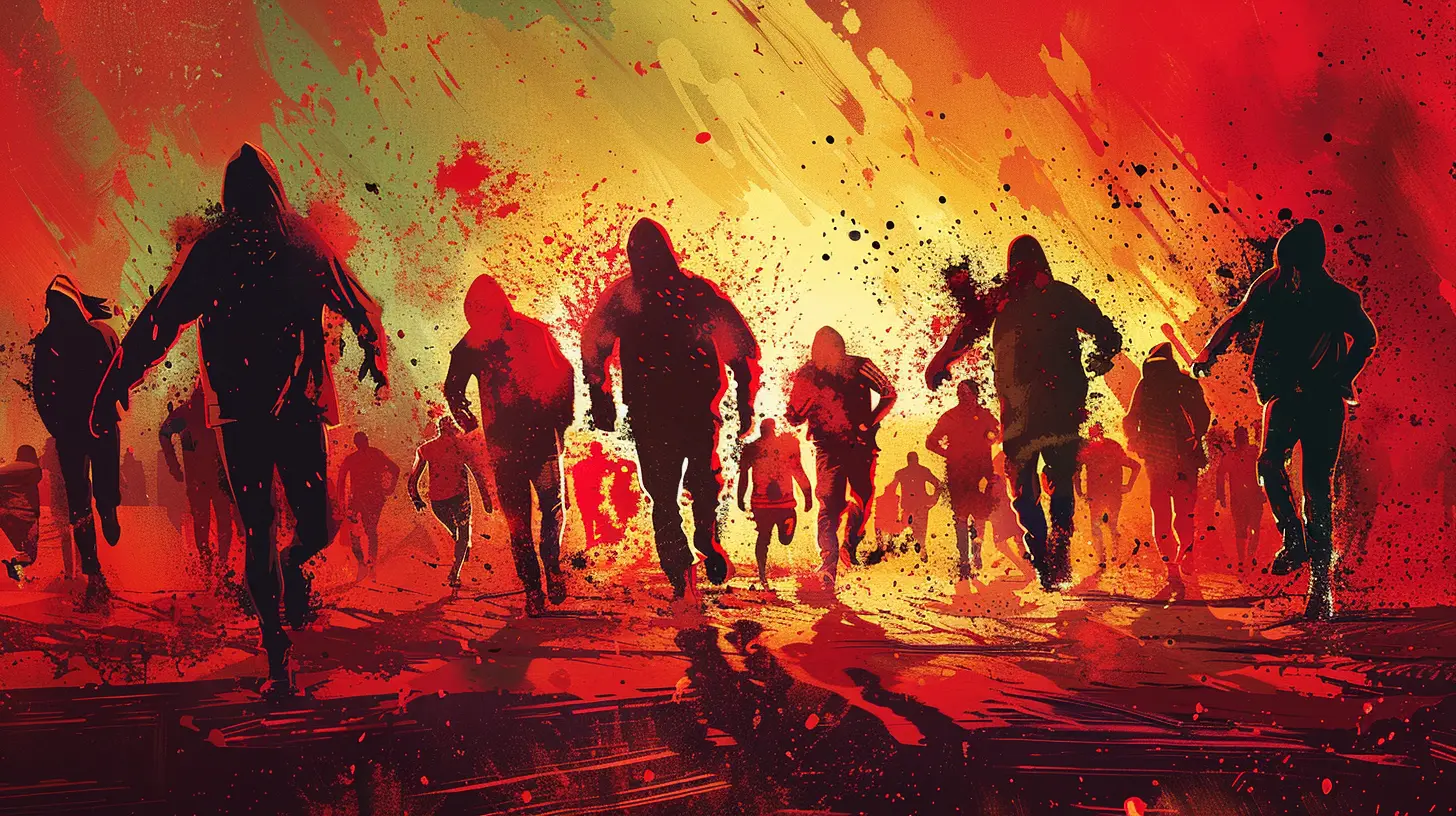
The Psychology of Fan Behavior
Ever wonder why you feel more alive in a stadium than watching a game at home? Sports fandom is deeply psychological. It triggers emotions, fuels adrenaline, and even heightens our sense of identity.1. Tribalism at Its Core
Humans are wired to belong. Since ancient times, we’ve found security in tribes. Today, that tribalism lives on in sports. Fans wear team colors like war paint, chant battle cries, and see rival teams as enemies. This can create a strong bond—but also a dangerous "us vs. them" mentality.2. Deindividuation: The Mob Mentality
In a crowd, people often lose their sense of individuality. Ever noticed how fans behave in a packed stadium versus when they’re alone? That’s deindividuation at play. When surrounded by thousands of like-minded supporters, people feel less accountable for their actions. This explains why calm individuals might turn into raging hooligans in a stadium.3. Emotional Investment Gone Wrong
For some, sports aren’t just entertainment—they’re a way of life. When their team loses, it feels like personal failure. This emotional weight can lead to aggressive outbursts, verbal abuse, and even physical violence.
When Fans Become the Opponents
While passion drives sports forward, reckless fan behavior can push it backward. Let’s take a look at some infamous instances where fandom turned toxic.1. Football Hooliganism: A Global Epidemic
Soccer (or football for the purists) has arguably the most passionate fans. But sometimes, that passion burns too hot.- The Hillsborough Disaster (1989): Though not caused by hooliganism, this tragedy was linked to crowd mismanagement and the aggressive nature of fans pressing forward. 97 Liverpool supporters lost their lives in one of the darkest days in sports history.
- The Heysel Stadium Disaster (1985): A European Cup Final between Liverpool and Juventus turned deadly when clashes between fans resulted in a stampede, killing 39 people.
Football hooliganism runs deep in some cultures, with organized groups engaging in street fights, vandalism, and even targeted attacks on rival fans.
2. NBA's "Malice at the Palace" (2004)
Basketball fans aren’t immune to chaos. One of the NBA’s worst moments came when a brawl broke out between the Indiana Pacers and Detroit Pistons. What made it worse? A fan threw a drink at Ron Artest, triggering an all-out brawl between players and spectators. The consequences? Suspensions, lawsuits, and a stain on the league’s reputation.3. Baseball Brawls in the Stands
While baseball is usually seen as a more laid-back sport, tensions can boil over. From fans throwing objects onto the field to full-on fistfights in the stands, baseball stadiums have seen their fair share of violence. The infamous Dodgers vs. Giants rivalry has even led to tragic incidents, including the brutal beating of a fan outside a stadium in 2011.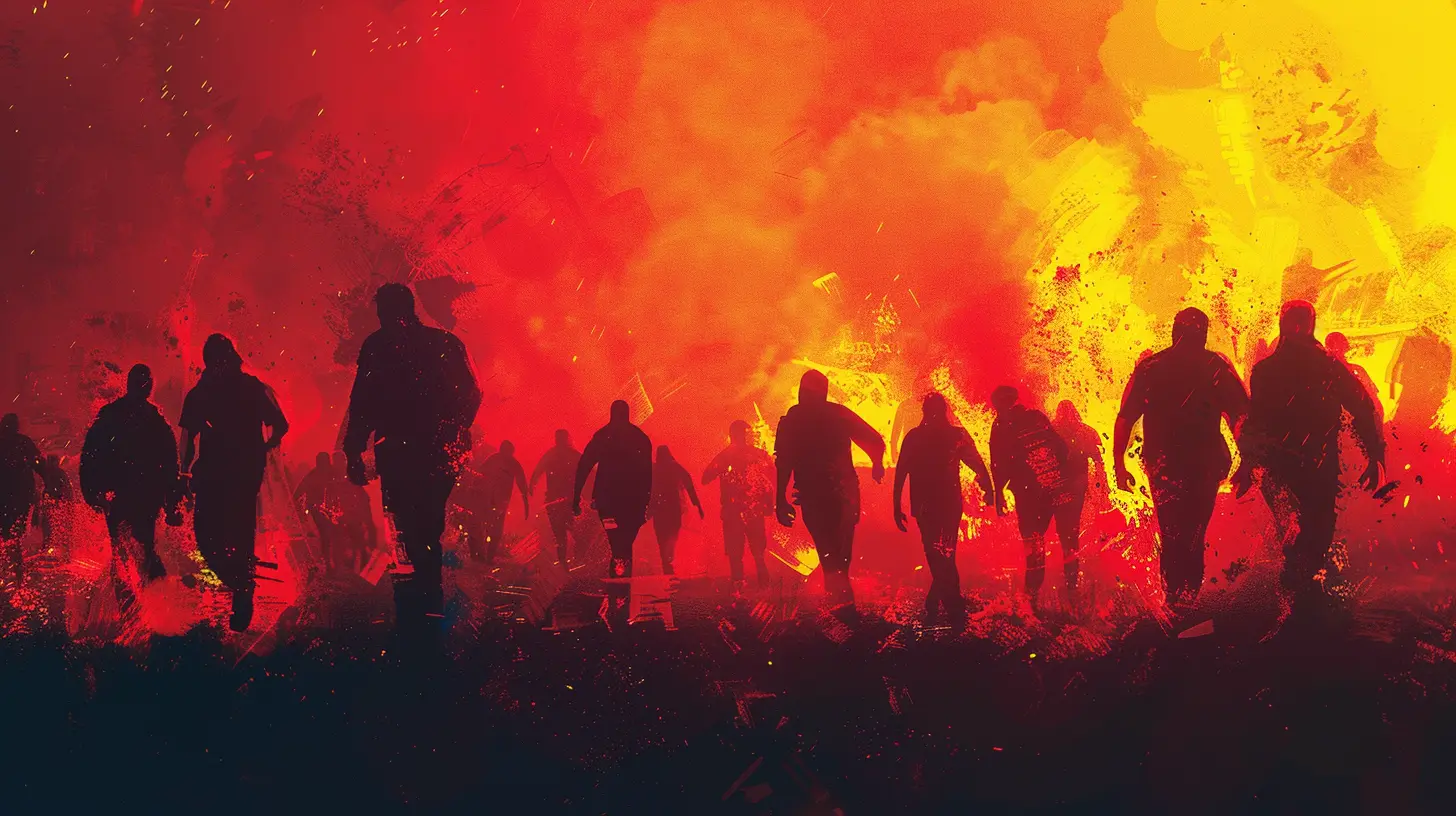
Social Media: A New Battlefield for Toxic Fans
Fandom isn’t just in the stadiums anymore—it’s online, and sometimes, it’s uglier than ever.1. Online Harassment & Death Threats
Athletes, referees, and even fellow fans aren’t safe from online abuse. Imagine missing a crucial penalty and waking up to thousands of death threats—just ask any soccer player who’s made a mistake in a high-stakes game.2. Cancel Culture in Sports
Athletes live under a microscope. One bad play, one misunderstood comment, and a mob of fans can turn against them overnight. Social media amplifies outrage, often leading to boycotts, public shaming, and sometimes career-ending consequences.3. Toxic Rivalries & Online Wars
Twitter fights, Instagram trolling, and Facebook rants—sports rivalries have turned into digital battlegrounds. Fans go to extreme lengths to defend their team, sometimes resorting to cyberbullying and doxxing opponents.Stadium Ban or Second Chances? How to Curb Toxic Fandom
So, what can be done? Should we ban aggressive fans for life? Restrict alcohol sales? Increase security? While no one-size-fits-all solution exists, here are some ways sports organizations and fans can tackle hooliganism.1. Stricter Consequences for Violent Fans
Many leagues have already implemented lifetime bans for violent or abusive fans. This sends a strong message that toxic behavior won’t be tolerated.2. Better Crowd Control
More security, improved seating arrangements, and controlled alcohol sales can help prevent chaos before it starts. Some stadiums have even implemented family-friendly zones to create a safer environment.3. Encouraging Positive Fandom
It’s easy to focus on the bad, but let’s not forget the good. Many fan groups actively promote inclusivity, charity, and community service. Encouraging positive fandom—through outreach programs, awareness campaigns, and incentives for positive behavior—can help reshape the culture.The True Spirit of Sports
At its core, sports are about unity, excitement, and shared experiences. They bring people together—regardless of background, beliefs, or nationality. Fans are the heart of this experience, but when they cross the line, they threaten what makes sports beautiful.Passion is powerful. It can build dreams, create lifelong memories, and fuel unforgettable moments. But when unchecked, it can also destroy.
So the next time you're at a game, ask yourself—are you lifting your team or dragging the sport down? Be a hero, not a hooligan.
all images in this post were generated using AI tools
Category:
HooliganismAuthor:

Fernando Franklin
Discussion
rate this article
2 comments
Zinnia McGivern
This article highlights a troubling shift in fan culture. While passion for a team is essential, crossing the line into violence and aggression tarnishes the spirit of sportsmanship and community.
May 17, 2026 at 10:25 AM
Fernando Franklin
I appreciate your perspective. It's crucial to balance passion with respect for sportsmanship and each other.
Bradley McLoughlin
Sports unite us, but passion can ignite chaos. It's essential to celebrate the spirit of the game while respecting boundaries—true fans uplift, while hooligans tarnish the love of sport.
April 9, 2026 at 4:40 AM