From Stadiums to Startups: Athletes Embracing Entrepreneurship in 2027
7 May 2026
Let me guess. You remember the old days when a star athlete retired, bought a car dealership, and called it a day. Maybe they opened a restaurant that served mediocre wings and had their jersey hanging on the wall. That was the dream, right? Well, welcome to 2027, where the dream has been upgraded, rebooted, and injected with a double shot of venture capital.
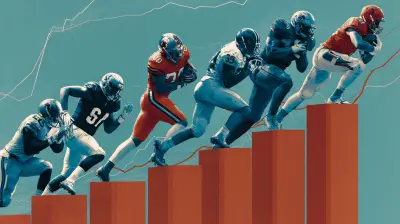
Today, athletes aren't just waiting for the final buzzer to figure out their next move. They are building empires while they are still dodging defenders. They are swapping cleats for boardroom chairs, and honestly? They are kind of killing it. This isn't about a few side hustles anymore. This is a full-blown cultural shift. From the NFL to the NBA, from soccer pitches to tennis courts, the playbook has changed. Instead of just endorsing a product, they are owning the company that makes it.
So, what the hell happened? How did we get from "shut up and dribble" to "shut up and scale"? Let's dive into the sweaty, brilliant, and sometimes hilarious world of athletes embracing entrepreneurship in 2027.

The "I'm Not Just a Jock" Rebellion
For decades, the narrative was simple. You had a physical gift. You used it. You got paid. Then you got old, and you got forgotten. But the athletes of 2027 grew up watching LeBron James build a media empire and Serena Williams invest in over 60 startups. They saw Magic Johnson turn a Lakers legend into a billion-dollar business portfolio. The message was clear: your body is a rental, but your brain is a forever asset.The shift is partly about money, sure. A rookie contract is life-changing, but it is not "buy a private island for your pet llama" money. To get that, you need equity. You need ownership. But it is also about identity. These guys and gals have been told their whole lives that they are one bad tackle away from being done. That fear is a powerful motivator. It makes you look at the game differently. It makes you ask, "What happens when the cheering stops?"
The answer in 2027 is simple: you start building. You don't wait for retirement. You build while you are still on the roster. You use your platform, your network, and your insane work ethic to create something that lasts longer than your playing career.

The "Shark Tank" Locker Room
Walk into an NFL locker room in 2027, and you are as likely to hear a pitch for a fintech app as you are a discussion about the blitz package. It has become a competitive sport within the sport. Who has the biggest exit? Who got the best valuation? It is a new kind of trash talk.I talked to a second-year running back last month who spends his off-season not just lifting weights, but also doing due diligence on supply chain startups. He told me, "The film room is great, but the boardroom is where the real fourth quarter happens." He wasn't joking. He has a portfolio of five companies, and he spends more time on Zoom calls with his co-founders than he does in the weight room.
This is the new normal. Teams are even hiring "player development" coaches who focus on financial literacy and entrepreneurial strategy. It is no longer enough to just know the playbook. You need to know your cap tables. You need to know the difference between a Series A and a Series B. It is a little absurd, but also kind of awesome.

Why Athletes Make Surprisingly Good Founders
Here is the thing that the suits in Silicon Valley are finally admitting: athletes are built for this. We used to think of them as just physical specimens. But think about the skills required to be a pro athlete. You need insane discipline. You need to handle constant failure (because even the best players fail 60% of the time). You need to work in a team environment. You need to be coachable.Sounds a lot like a startup founder, doesn't it?
Take a quarterback, for example. He has to read a defense in seconds, make a decision under extreme pressure, and then execute perfectly. That is exactly what a CEO does when the market is crashing and the investors are nervous. The ability to stay calm when everything is on fire is a skill that cannot be taught in a business school. It is forged in the crucible of a playoff game.
Plus, they have a network that most founders would kill for. Want to get a meeting with a major retailer? Your co-founder is a three-time MVP who knows the CEO. Need some PR? Your star player just got interviewed by every major sports network. It is unfair, really. But in the world of business, you use every advantage you have.
The Rise of the "Active Investor" Athlete
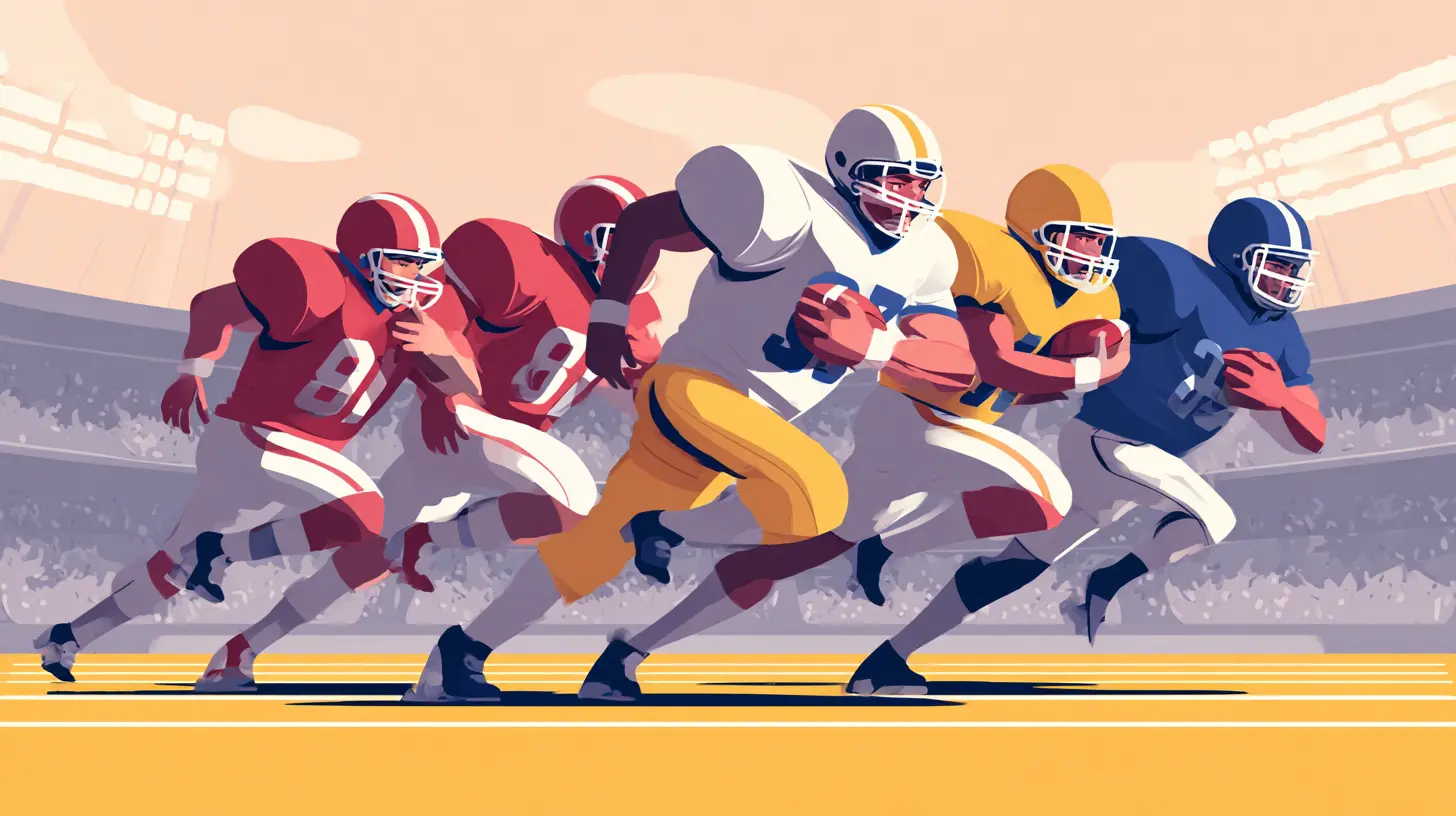
In 2027, the passive endorsement deal is dead. Nobody wants to just slap their name on a shoe and cash a check. Well, okay, some still do. But the smart ones are demanding equity. They want a seat at the table. They want to be involved in the product design.We are seeing athletes become active venture partners. They are not just writing checks. They are sitting on the board. They are mentoring the founders. They are using their real-world experience to help shape the product. A basketball player knows what it feels like to wear a bad shoe. So they are helping design a better one. A soccer player knows the hydration needs of a 90-minute match. So they are investing in sports science startups that solve that problem.
It is a beautiful feedback loop. They bring the credibility and the market insight. The startup brings the tech and the execution. It is a partnership that actually makes sense. No more celebrity endorsements for random products that have nothing to do with their lives. That era is over.
The "I'm Too Old for This" Retirement Rethink
The biggest change is how athletes view retirement. It used to be a cliff. You were at the top of the world, and then you fell off. It was depressing. It was lonely. Many athletes struggled with the loss of identity.But in 2027, retirement is just a pivot. It is the moment they go full-time on their startup. They have been building the foundation for years. Now they have the time and the capital to go all in.
Think of it like a relay race. The first leg is the playing career. The second leg is the business career. And because they started the second leg while still running the first, the transition is smooth. There is no crash. There is just a change of direction.
I saw a former NHL goalie who now runs a chain of high-tech recovery centers. He told me, "I used to stop pucks. Now I stop burnout." It is a corny line, but it is true. He is using his knowledge of the game to help the next generation of athletes stay healthy. He is still in the game, just on a different rink.
The Funny Side of the Boardroom
Of course, it is not all serious business. There are some hilarious missteps. You have the offensive lineman who invested in a vegan steak company. (Spoiler: it didn't work. Athletes like meat.) You have the point guard who launched a clothing line that only came in one size. (It was "extra long.") The learning curve is steep.But the athletes are the first to laugh at themselves. They know they are new to this. They are humble enough to ask questions. That is the secret sauce. They are not coming in with a big ego, thinking they know everything. They know they are rookies in the business world. They are willing to put in the work.
There is a famous story about a wide receiver who showed up to a pitch meeting with a venture capital firm wearing a full tracksuit and diamond chains. He was immediately told to take off the chains. He did, and he got the funding. He later said, "I learned that in the boardroom, the bling doesn't blink. The pitch deck does." That is wisdom right there.
What Does This Mean for the Average Fan?
You might be thinking, "Okay, cool for them. But what does it have to do with me?" A lot, actually. This trend is changing the economy of sports. It is creating new products that you actually want to buy. That recovery boot you see on Instagram? An athlete helped design it. That app that helps you track your sleep? An athlete invested in it.It also changes the way we watch games. You are not just rooting for a player to score a touchdown. You are rooting for a founder to make a good decision. You are invested in their success beyond the field. It makes the connection deeper. It makes the story richer.
And honestly, it is just more fun. It is more interesting to see a player talk about their startup in a post-game interview than to hear them say "we just gotta execute better." It gives them personality. It shows they are human.
The 2027 Playbook for Success
So, what is the formula for a successful athlete-entrepreneur in 2027? It is not complicated.First, start early. Do not wait until you retire. Start learning now. Read books. Listen to podcasts. Find a mentor who is not in sports.
Second, be authentic. Do not invest in something just because it is trendy. Invest in something you understand. If you love fishing, start a fishing gear company. If you love coding, start a tech company. Your passion will carry you through the tough times.
Third, build a good team. You cannot do it alone. You need lawyers, accountants, and business partners who are smarter than you. Hire them. Trust them.
Fourth, be patient. Building a business is harder than winning a championship. It takes years. There will be losses. There will be bad quarters. But if you have the same grit that got you to the pros, you will survive.
And finally, have fun. If it stops being fun, you are doing it wrong. The money is great, but the joy of building something from nothing is the real reward.
The Bottom Line
In 2027, the line between athlete and entrepreneur is completely blurred. They are the same thing. You cannot be one without being the other if you want to stay relevant. The old model is dead. The new model is here.So the next time you see a player signing a big contract, do not just think about the touchdowns or the three-pointers. Think about the boardroom. Think about the pitch deck. Think about the hustle.
Because in 2027, the game is bigger than the game.
all images in this post were generated using AI tools
Category:
Post Career PathsAuthor:
Fernando Franklin
Discussion
rate this article
1 comments
Weston McConkey
Athletes redefine success today.
May 13, 2026 at 7:33 AM
Fernando Franklin
Absolutely! Athletes are taking their drive and resilience from the field to the business world, proving that success goes beyond sports.