Goalkeepers Guide: Positioning, Reflexes, and Mental Toughness
7 February 2026
A goalkeeper isn't just another player on the field — they are the team's last line of defense, the safety net when everything else fails. It's a high-pressure position that demands skill, reflexes, and above all, mental resilience. If you've ever watched a top-class goalkeeper in action, you know just how vital they are to their team's success.
So, how do you become a great goalkeeper? It all comes down to mastering three key areas: positioning, reflexes, and mental toughness. In this guide, we'll break down each of these aspects and provide you with the tools to elevate your goalkeeping game. 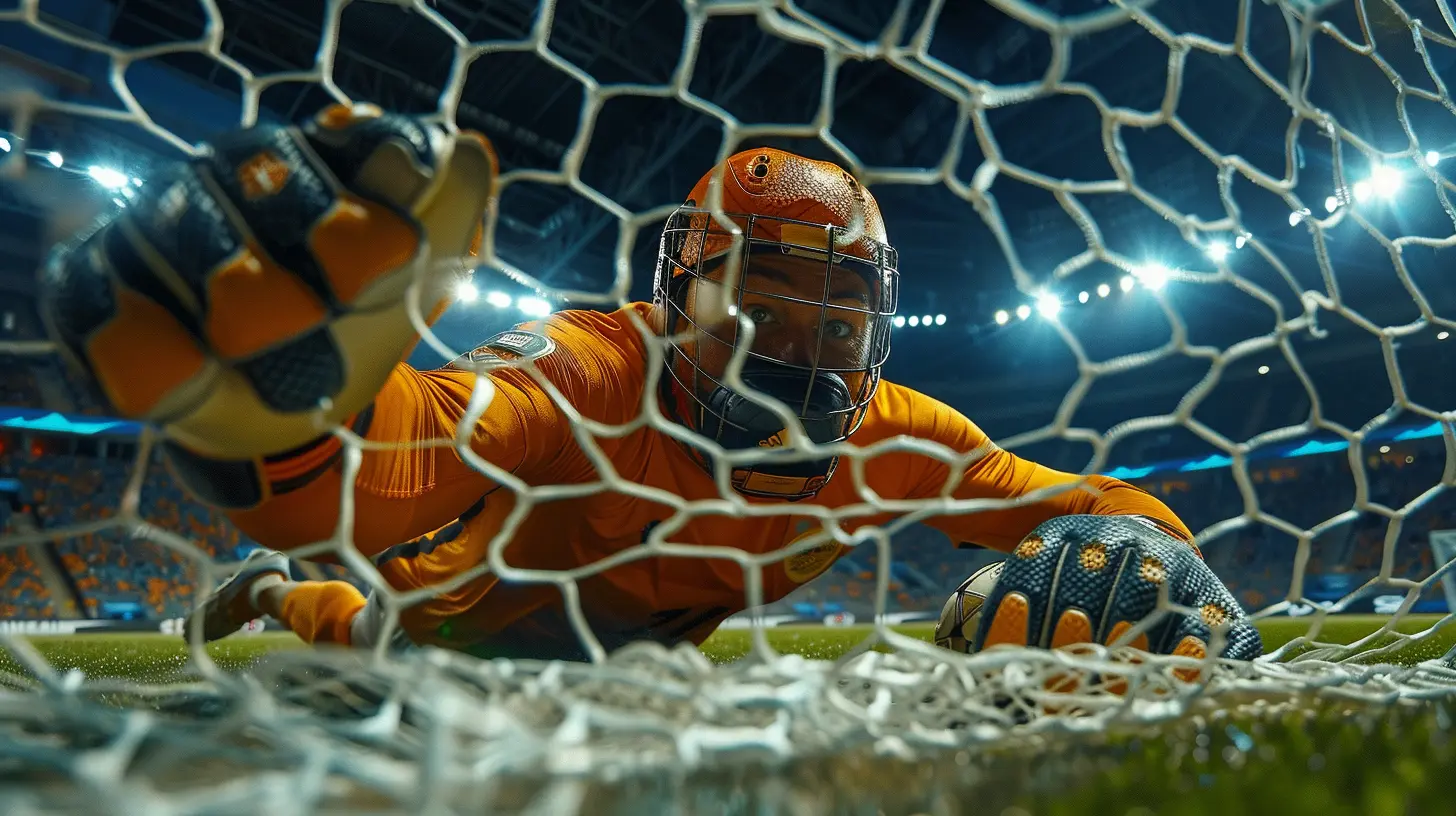
1. Positioning: The Foundation of a Great Goalkeeper
Good positioning can make an average goalkeeper look exceptional. It's what allows you to make saves easier and be in the right place at the right time.Understanding Angles
One of the biggest aspects of positioning is knowing how to cut down angles. The closer you are to the shooter (while still being in control), the smaller the target they have to aim at. Think about it like this: if you were trying to throw a ball past a wall standing 5 feet away, you'd have more space than if that wall was only a foot away.When facing a 1v1 situation, don't just stand rooted to the line. Step forward and make yourself big. This puts pressure on the striker and forces them to make a quick decision, increasing the likelihood they'll shoot straight at you.
Staying on Your Toes
Flat-footed goalkeepers are slow goalkeepers. Always stay on the balls of your feet, slightly forward, ready to react. If you're caught standing still, your ability to dive or adjust your position will be severely limited.The Ideal Starting Position
Positioning isn't just about where you stand relative to the shooter. It's also about your stance:- Feet shoulder-width apart
- Knees slightly bent
- Hands in front of your body, ready to react
This stance allows for quick movement in any direction while keeping you balanced and in control. 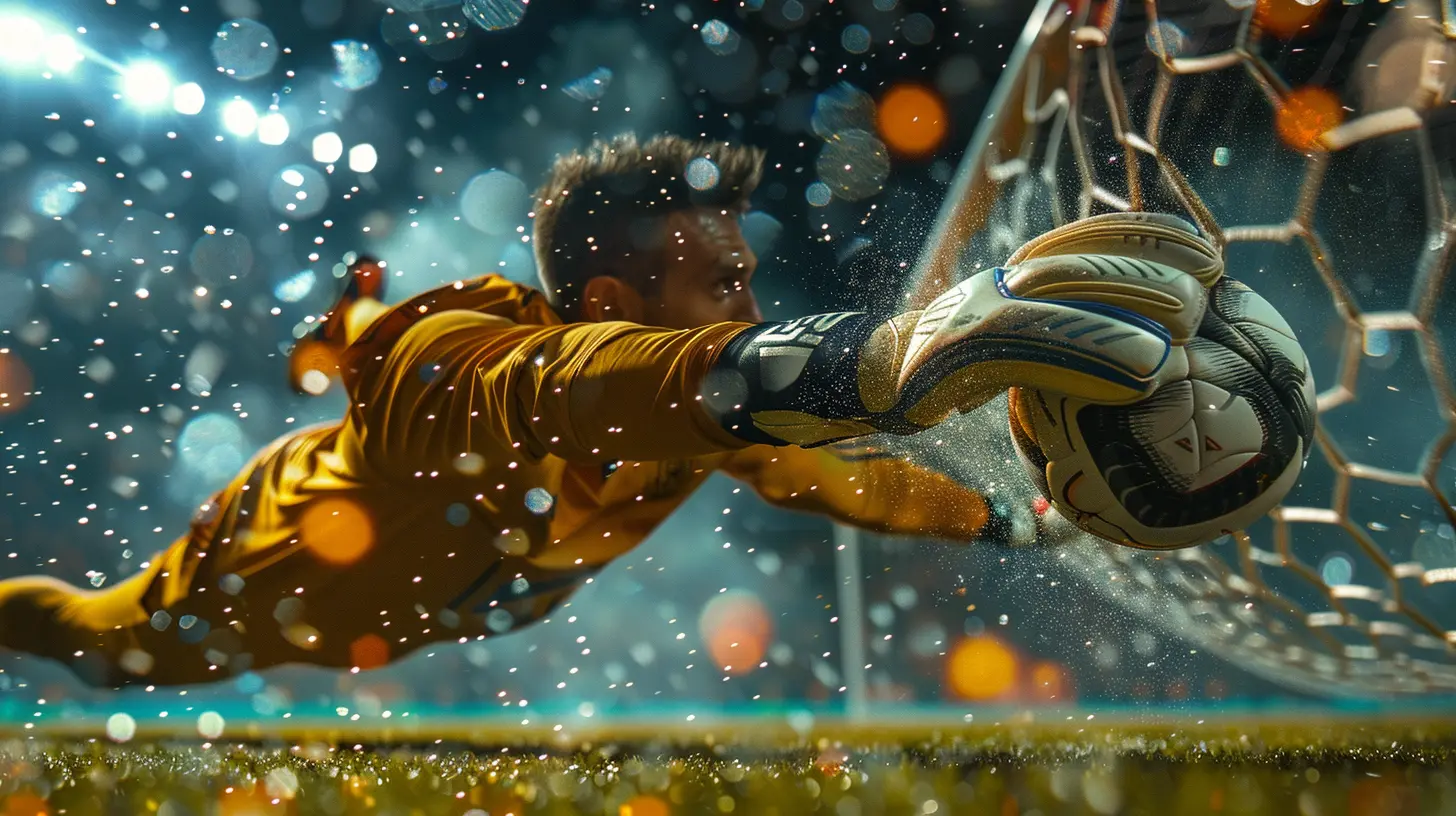
2. Reflexes: The Art of Quick Reactions
Reflexes are what separate good goalkeepers from great ones. A split-second reaction can be the difference between a goal and a game-saving stop.Improving Hand-Eye Coordination
Reflexes are largely about hand-eye coordination. The more you train your brain to react quickly to moving objects, the better you'll be at stopping shots.How to Train Your Reflexes:
- Reaction Ball Drills: Use a reaction ball (an uneven, bouncy ball) to improve unpredictability in your reactions.- Wall Catching Drills: Throw a tennis ball against a wall and catch it with one hand to improve speed and coordination.
- Flashlight Drills: Have a partner flash a light in different directions while you react as quickly as possible.
Fast Feet, Fast Hands
Your hands and feet need to work in sync. Quick footwork ensures you’re always well positioned to react, while fast hands execute the save. Agility drills like ladder drills, cone drills, and short sprints can help get your feet moving faster.Anticipation: Reading the Play
Reflexes aren’t just about quick reactions — they’re also about anticipation. The best goalkeepers in the world don’t just react; they predict what’s about to happen.- Watch the shooter’s body language: Are they shaping up for a power shot or a finesse finish?
- Pay attention to their eyes: Strikers often glance at where they intend to shoot.
- Analyze the game: If a winger is about to cross, position yourself accordingly before the ball even arrives. 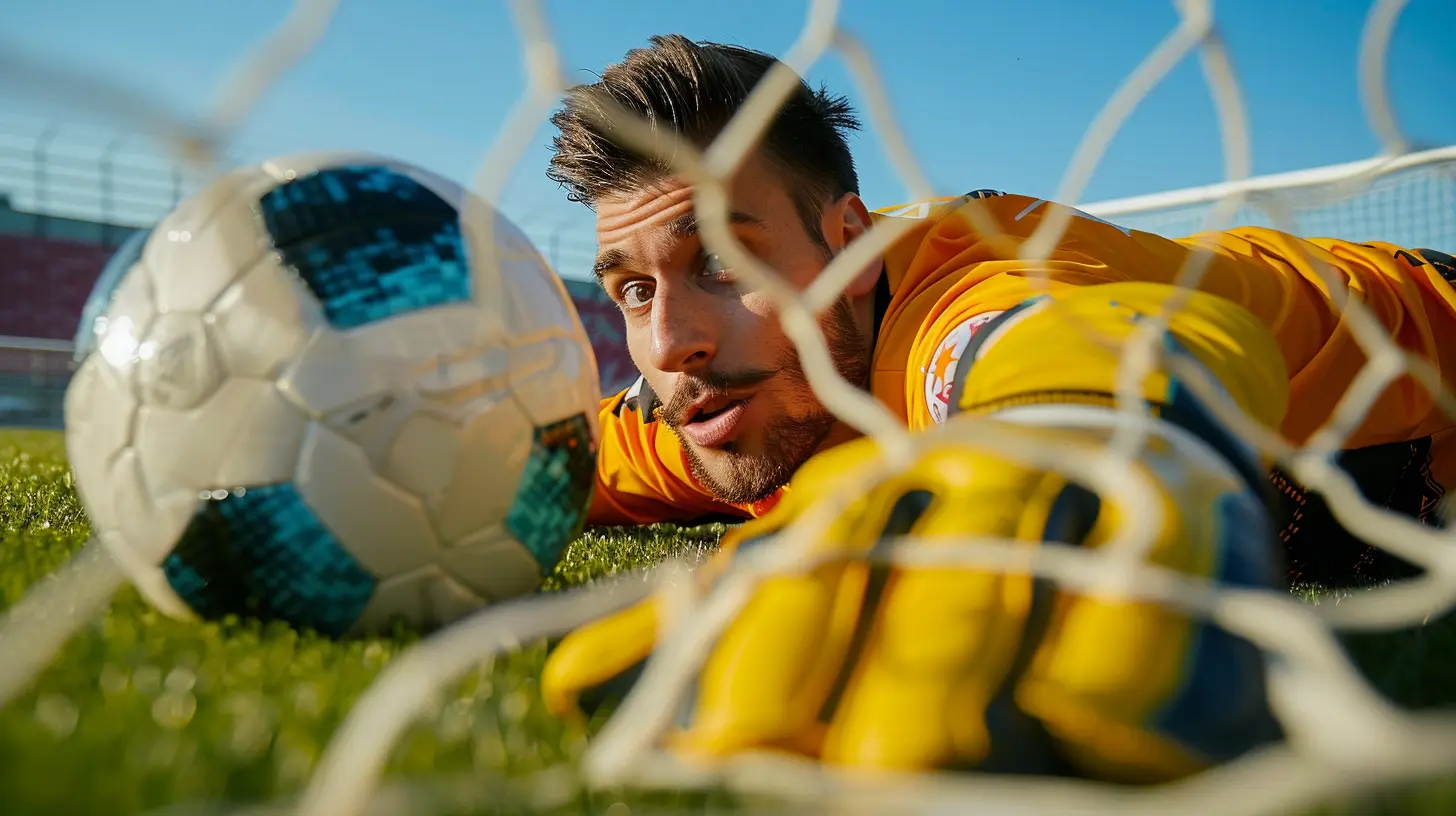
3. Mental Toughness: The Key to Consistency
Being a goalkeeper is mentally exhausting. You can go 89 minutes without making a single save, only to face a match-deciding shot in the last minute. That’s a lot of pressure!Building Confidence
Confidence is everything. A shaky goalkeeper makes nervous decisions, but a confident keeper commands their area and makes bold saves.Ways to Build Confidence:
- Positive Self-Talk: Instead of dwelling on mistakes, remind yourself of past saves. Confidence grows when you believe in yourself.- Controlled Breathing: In high-pressure situations, deep breaths can calm nerves and keep you focused.
- Routine and Consistency: Having a pre-game routine helps create a sense of control. Knowing you’ve trained well naturally boosts confidence.
Dealing with Mistakes
Every goalkeeper, even the best in the world, makes mistakes. The difference between good and great goalkeepers is how they respond.- Forget it fast: If you dwell on a mistake, you'll make another one. Learn from it and move on.
- Refocus on the present: The next save is all that matters. Keep your mind in the moment.
Penalty Kicks: Mind Games and Focus
Penalty kicks are as much about mental toughness as they are about skill. The pressure is immense, but believe it or not, goalkeepers actually have an edge.- Mind Games: Subtly moving on the line or delaying the shot can make the kicker overthink.
- Reading the Shooter: Many players have a preferred side — studying tendencies can give you an advantage.
- Commit with Confidence: Once you decide on a direction, go all in. Hesitation usually leads to failure. 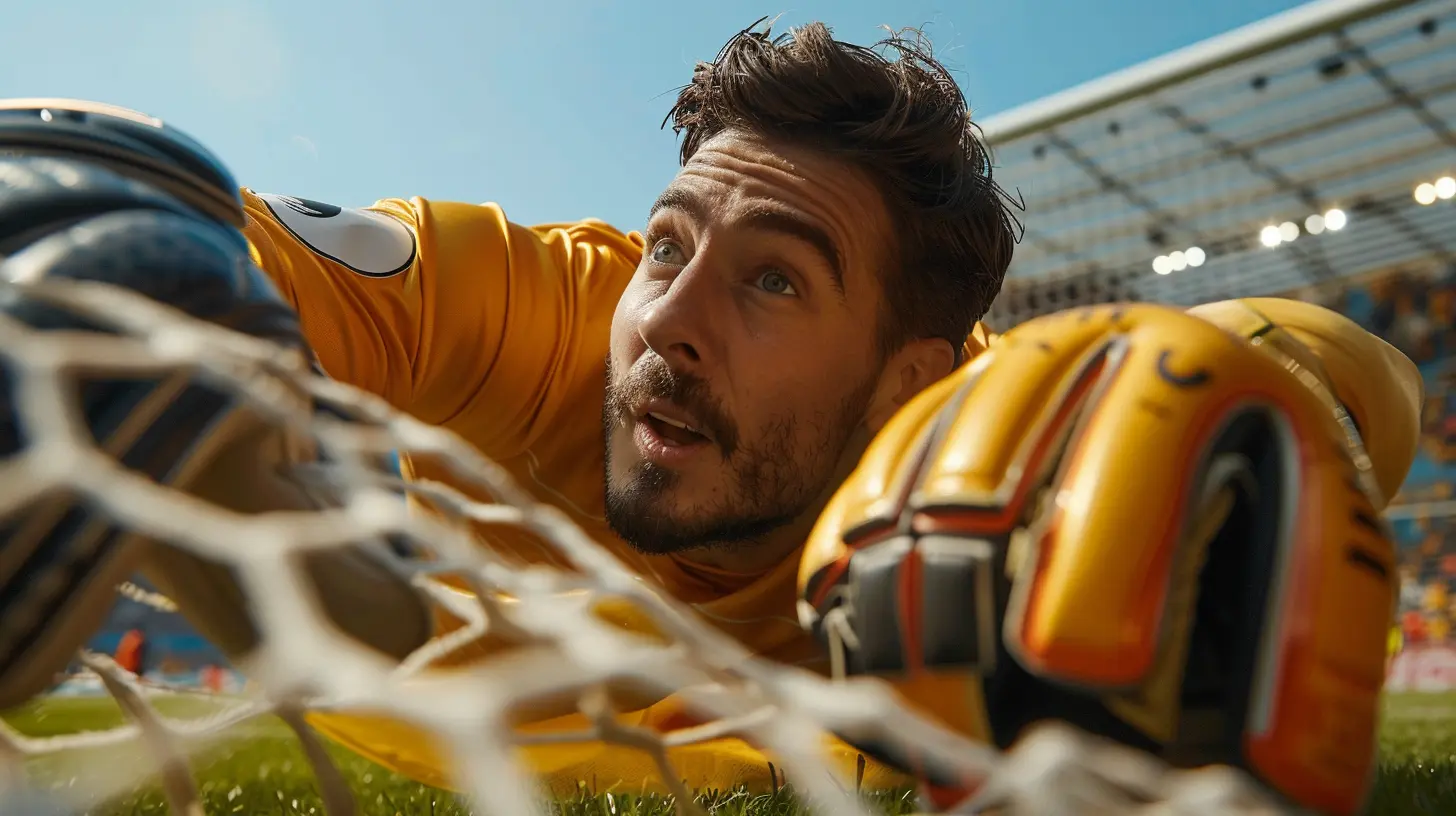
Bonus Tips: Small Details That Make a Big Difference
- Communication is Key: A goalkeeper is the eyes of the defense. Constantly communicate with your backline to keep the team structured.- Catch When You Can: Punching is necessary sometimes, but catching the ball eliminates the risk of rebounds.
- Master Distribution: A great goalkeeper isn’t just a shot-stopper; they help start attacks with powerful and accurate throws and kicks.
Conclusion
Being a goalkeeper is one of the toughest gigs in soccer, but it’s also one of the most rewarding. Mastering positioning, sharpening your reflexes, and building mental toughness will take your game to the next level.At the end of the day, goalkeeping isn’t just about making saves — it’s about commanding the box, leading the defense, and having the confidence to stand tall, even in the face of adversity. Train smart, stay focused, and embrace the challenge. Before you know it, you'll be pulling off match-winning saves like a pro!
all images in this post were generated using AI tools
Category:
SoccerAuthor:

Fernando Franklin
Discussion
rate this article
2 comments
Tabitha Bennett
A great overview of essential skills for goalkeepers. Emphasizing positioning and mental toughness really sets the foundation for success in the role.
March 22, 2026 at 4:36 AM
Fernando Franklin
Thank you for your feedback! I'm glad you found the emphasis on positioning and mental toughness valuable for goalkeepers.
Blaine Powell
Embrace the challenge, focus on growth, and remember: every save shapes your journey. Keep pushing forward, goalkeeper!
February 7, 2026 at 5:03 AM
Fernando Franklin
Thank you for your encouraging words! Embracing challenges is key to growth in the goalkeeping journey. Let’s keep pushing forward together!