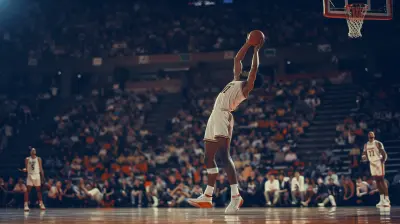
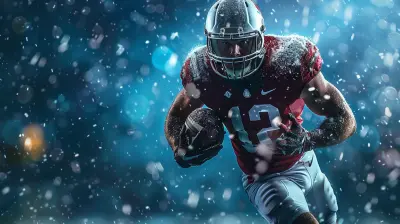
How Fan Demand Drives Ticket Prices Through the Roof
6 July 2026
Ever tried grabbing tickets for a big playoff game or that once-in-a-lifetime fight night only to be hit with a jaw-dropping price tag? You're not alone. We’ve all been there—refreshing the browser, racing against time, and gasping when we see prices that could rival a car payment. It’s no coincidence. Fan demand is the fuel that’s lighting the fire under ticket prices, and this isn’t just some random fluke. It’s real economics, amplified by emotion, passion, and a whole lot of FOMO (Fear of Missing Out).
In this article, we’ll dive deep into how fan demand turns a $50 seat into a $500 golden ticket. Whether you're a casual fan, a die-hard supporter, or just wondering why securing seats to major sports events requires ninja-level reflexes (and a loaded wallet), stick around. You’re about to get the inside scoop.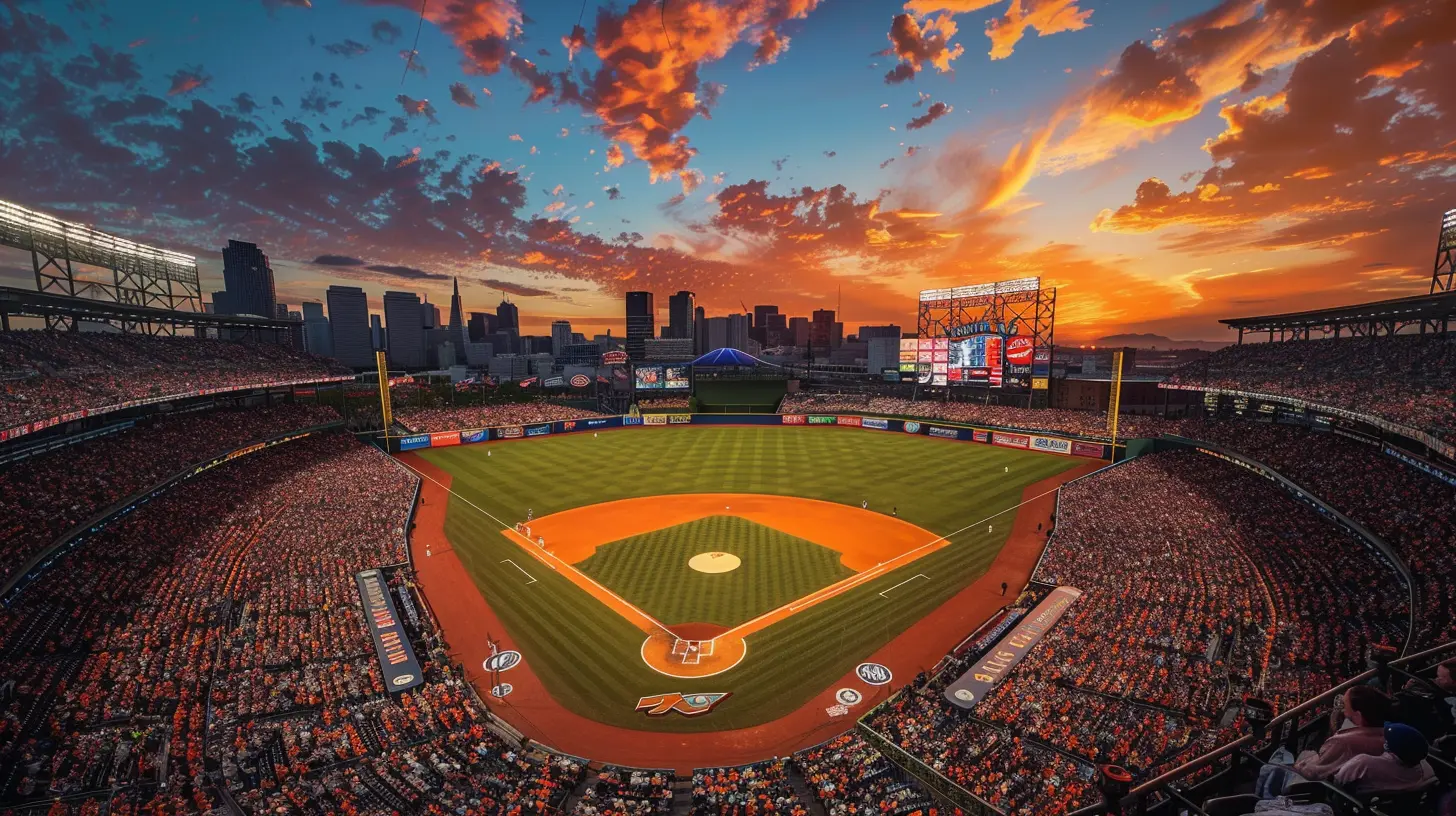
The Power of the Crowd: Why Demand Changes Everything
Alright, let’s get one thing clear—ticket prices aren’t just numbers picked out of thin air. They’re a reflection of the basic law of supply and demand. Think back to high school econ class: when demand goes up and supply stays the same, prices spike. Seems simple, right?But toss in 70,000 passionate fans, decades of team loyalty, viral moments, and suddenly—boom—you're watching that basic law crank into overdrive. Sports events aren't just games anymore; they're experiences. And people are willing to pay big bucks to be part of them.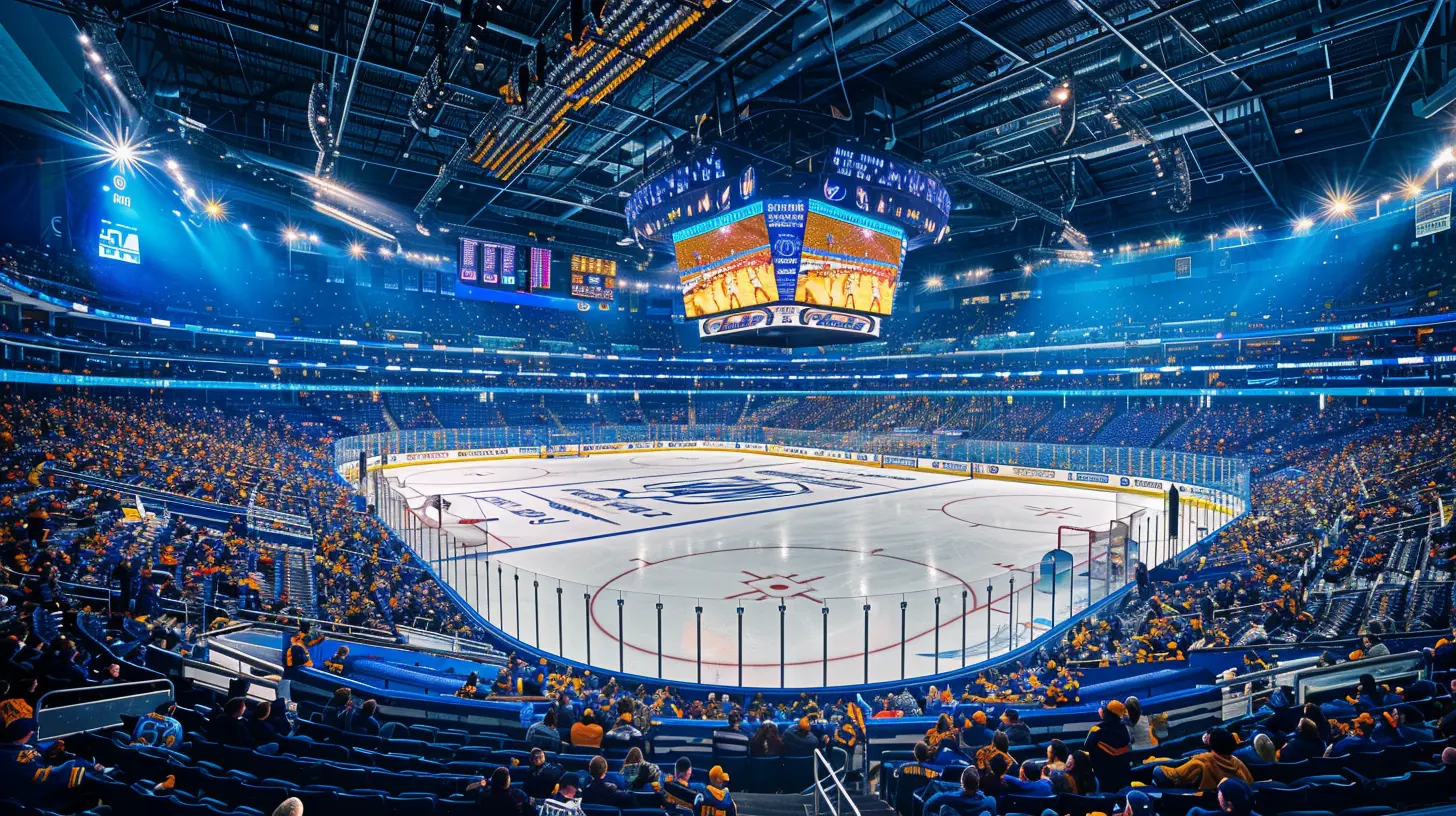
Supply is Limited, But Passion is Not
Here’s where things get spicy. Stadiums have a fixed number of seats. That’s your supply. Whether it's an NFL showdown, a World Cup final, or Game 7 of the NBA Finals, there are only so many butts that can fit in seats. That’s hard math that doesn’t change—20,000 seats means 20,000 tickets, no more, no less.But fan excitement? That’s infinite.
Now imagine 100,000 people jockeying for those 20,000 tickets. What happens? It's a chaotic ticketing frenzy. The higher the fan demand, the more valuable each seat becomes. It’s like trying to snag the last slice of pizza at a party—suddenly, everyone wants it, and the stakes get higher.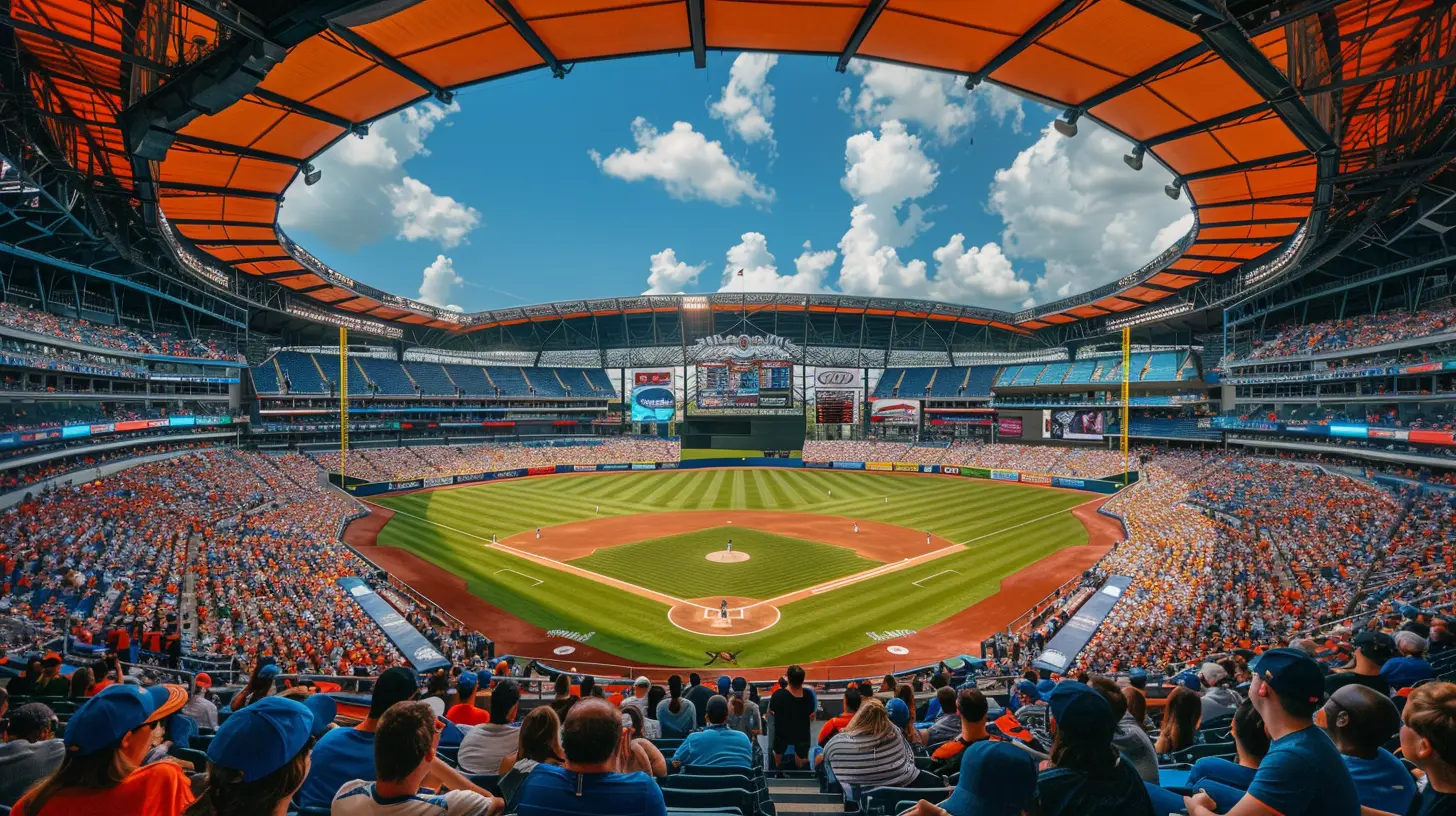
The Digital Age: Where Buying Tickets Feels Like the Hunger Games
Let’s face it, the way we buy tickets has changed dramatically. Gone are the days when you’d casually walk up to the stadium and grab a pair at the box office. Now, you’re in a virtual queue with bots, scalpers, and thousands of other fans, all hitting "refresh" like their life depends on it.Websites like Ticketmaster, StubHub, and SeatGeek have turned ticket buying into a digital battleground. The moment tickets go live, the race begins. And with dynamic pricing algorithms in play, the more people who search and click, the higher the final cost.
It's capitalism in action, baby. Ticket prices can change within seconds based on how many people are viewing or trying to purchase them. It’s like Uber surge pricing but for sports lovers.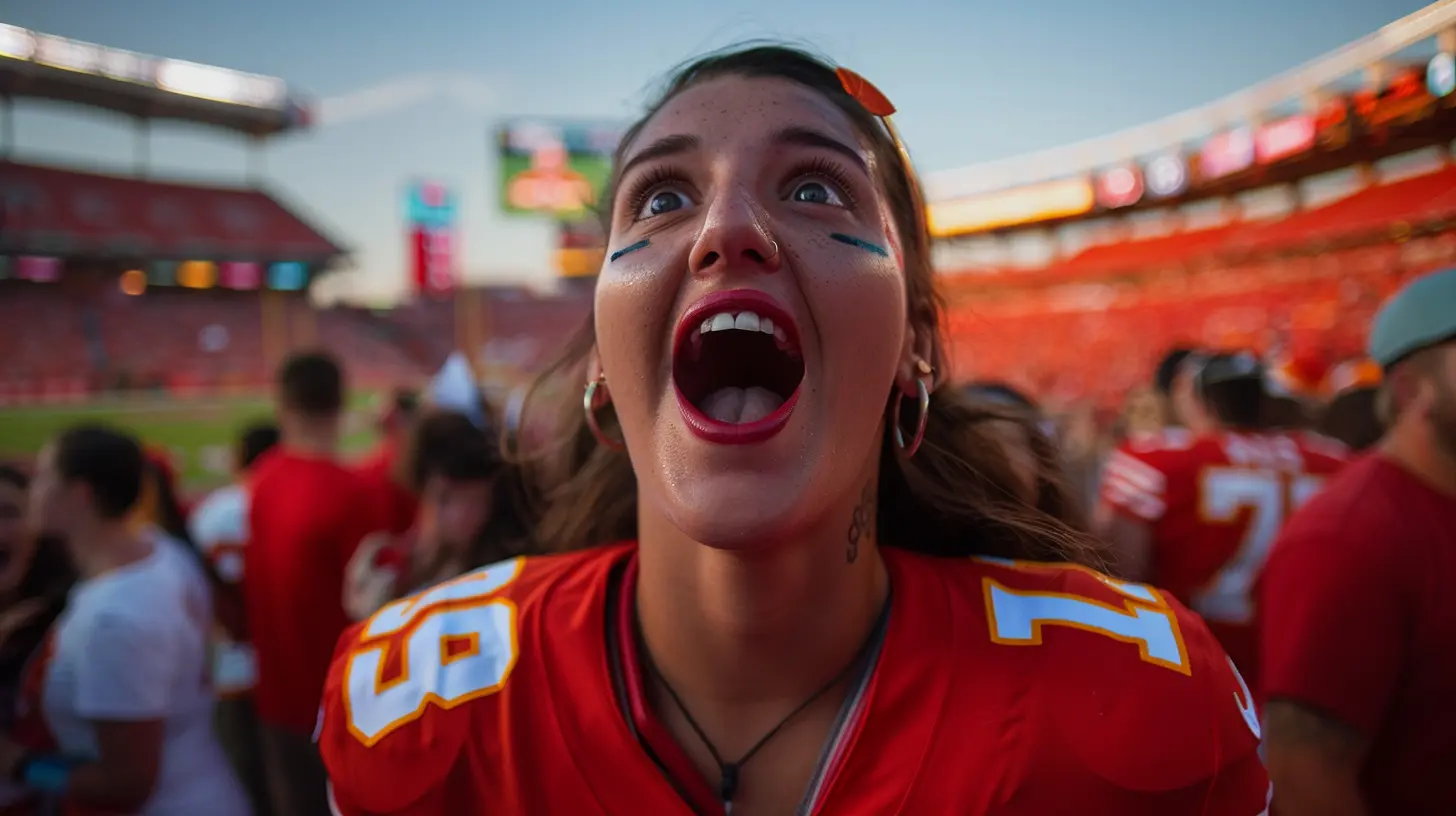
Big Games Mean Bigger Prices
Let’s break it down. Not all games are created equal.A regular-season game on a Tuesday night? Affordable.
A rivalry game with playoff implications? Pricey.
A championship-deciding match? Mortgage your house.
High-profile matchups have a unique allure. Think Super Bowl, March Madness Final Four, or a Manchester Derby. These events aren't just games—they're cultural moments. People travel across countries and continents to be part of them. It's not just about who wins or loses; it’s about being there when history is made.
And the ticket prices? They know exactly what kind of moment they’re selling.
Emotional Attachment: The Ultimate Pricing Power
Let’s get a little emotional here—because emotions play a massive role in why ticket prices soar. Sports fans are fiercely loyal. They cry when their team loses and party like it’s 1999 when they win. There’s pride, tradition, and a personal sense of identity wrapped up in fandom.When it’s your team’s first playoff run in a decade, or they finally clinched a championship berth, you’re not just buying a ticket—you’re buying a memory. That emotional currency? It’s priceless.
And sellers know that.
That’s why you're willing to fork out triple the price. You’re not just paying for a seat—you’re paying to scream, cheer, and live the moment with thousands of others who get it.
The Resale Market: A Whole New Arena
Here’s where things really take off.Let’s say you were lucky enough to snag tickets at face value. Good for you! Now, imagine hundreds of others doing the same—with no plans to attend the game. Instead, they flip those tickets on reseller platforms, marking them up by hundreds or thousands of dollars.
It’s the modern gold rush.
These resellers (some just regular fans, others full-time scalpers) know the demand exists. They price based on current hype, team performance, injuries, and even the weather. You thought you’d catch a sunny day at Wrigley Field? Well, now that sun just added $100 to your ticket price.
And guess what? Someone will still pay it.
Social Media and FOMO: The Silent Scalers
Now let’s talk about something sneaky that drives demand sky-high—social media. Yep. That app you scroll through 50 times a day? It's playing a role here too.When fans start sharing photos, videos, and live streams from the game, it creates a wave of digital envy. "Why am I not there?" you start to wonder. Add in hashtags, trending topics, and viral moments, and suddenly more people want in on the action.
This digital exposure turns even a mid-tier game into a can’t-miss event. Cue more clicks, more demand, and—surprise surprise—higher prices.
Star Power and Superstar Effect
Ever noticed how ticket prices skyrocket when a particular player is in town? Whether it's LeBron James, Lionel Messi, or Patrick Mahomes, star athletes move the needle—hard.Fans aren’t just paying to watch a game; they’re paying to watch greatness in action. It’s the same reason why concerts featuring Beyoncé or Taylor Swift see massive demand. These aren’t just athletes—these are living legends. Seeing them live? That’s a bucket list-level experience.
And every ticket reselling site knows it.
Local vs. Visiting Fans: The Battle for Seats
Another fun twist in the pricing puzzle? The clash between local and visiting fans. When a nationally-known team rolls into town, their loyal followers often travel with them. This influx of traveling fans boosts local ticket demand significantly.Suddenly, the local fans are competing with out-of-towners, and prices go bananas. It’s like trying to buy water in the desert—supply stays flat, but demand just tripled.
Corporate Buyers and VIP Packages: The Price Inflators
Sometimes, you’re not even competing with fans. You’re battling corporations. Big companies often buy blocks of prime seats for clients, meetings, or giveaways.And don't forget VIP experiences—those luxurious options with pre-game meals, player meet-and-greets, and on-field access. These premium packages hike the overall market price and foster an illusion of scarcity.
Even though those may not be what the average fan is buying, they still drive the perception that all tickets are expensive—which can drag up standard prices too.
Tips to Beat the System (Kinda)
Okay, so it’s not all doom and gloom. There are a few tactics you can use to dodge those sky-high prices:- Buy Early: As soon as tickets drop, grab them. Waiting often means paying more.
- Use Alerts: Set price alerts with ticket apps to snag a deal when prices dip.
- Go Off-Peak: Mid-week games or less hyped matchups are generally cheaper.
- Check Resellers Close to Game Time: Sometimes, prices drop last minute as sellers try to offload.
Still, there’s no magic wand. But hey, a little planning goes a long way.
Wrapping It Up: Why the Madness Makes Sense
So, how does fan demand drive ticket prices through the roof? In a word—emotion.Fans aren't just customers—they're believers. They bleed team colors, memorize stats, and chase moments that matter. That kind of passion is rare, and in the world of business, rare equals valuable.
From limited supply and superstar appearances to social media influence and emotional investment, every little factor feeds into one big truth: when it comes to sports, people will pay a premium for memories, not just moments.
So next time you see that nosebleed seat going for $500, remember—you’re not just buying a view of the field. You’re buying history.
And in the heart of a true fan, that’s worth every penny.
all images in this post were generated using AI tools
Category:
Ticket SalesAuthor:

Fernando Franklin
Discussion
rate this article
1 comments
Giovanna Palmer
Great article! It's fascinating how fan demand can skyrocket ticket prices. The connection between enthusiasm and cost really shows the business side of sports. Excited to see how this evolves!
July 16, 2026 at 3:18 AM
Fernando Franklin
Thanks for the feedback! It's true, the link between fan enthusiasm and ticket prices is a wild ride. Let's see how it continues to unfold!