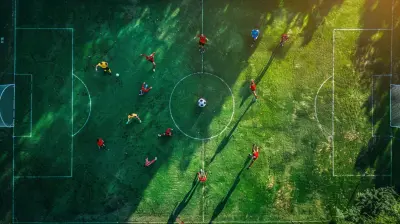
How National Teams Are Adapting to Tactical Modernization
6 April 2026
In today's game, football is an ever-evolving sport. It’s like a living organism, constantly adapting to new ideas, innovations, and trends. We’re not just talking about fancy footwork or jaw-dropping goals but about tactical modernization – the way national teams are changing how they approach the game. It’s a whole new ball game out there, and the strategies that worked a decade ago might seem outdated today.
So, what's the deal with this tactical modernization? How are national teams adapting to it? Let’s dive deep into the world of tactics, formations, and strategies and examine how the modern era is reshaping the beautiful game.
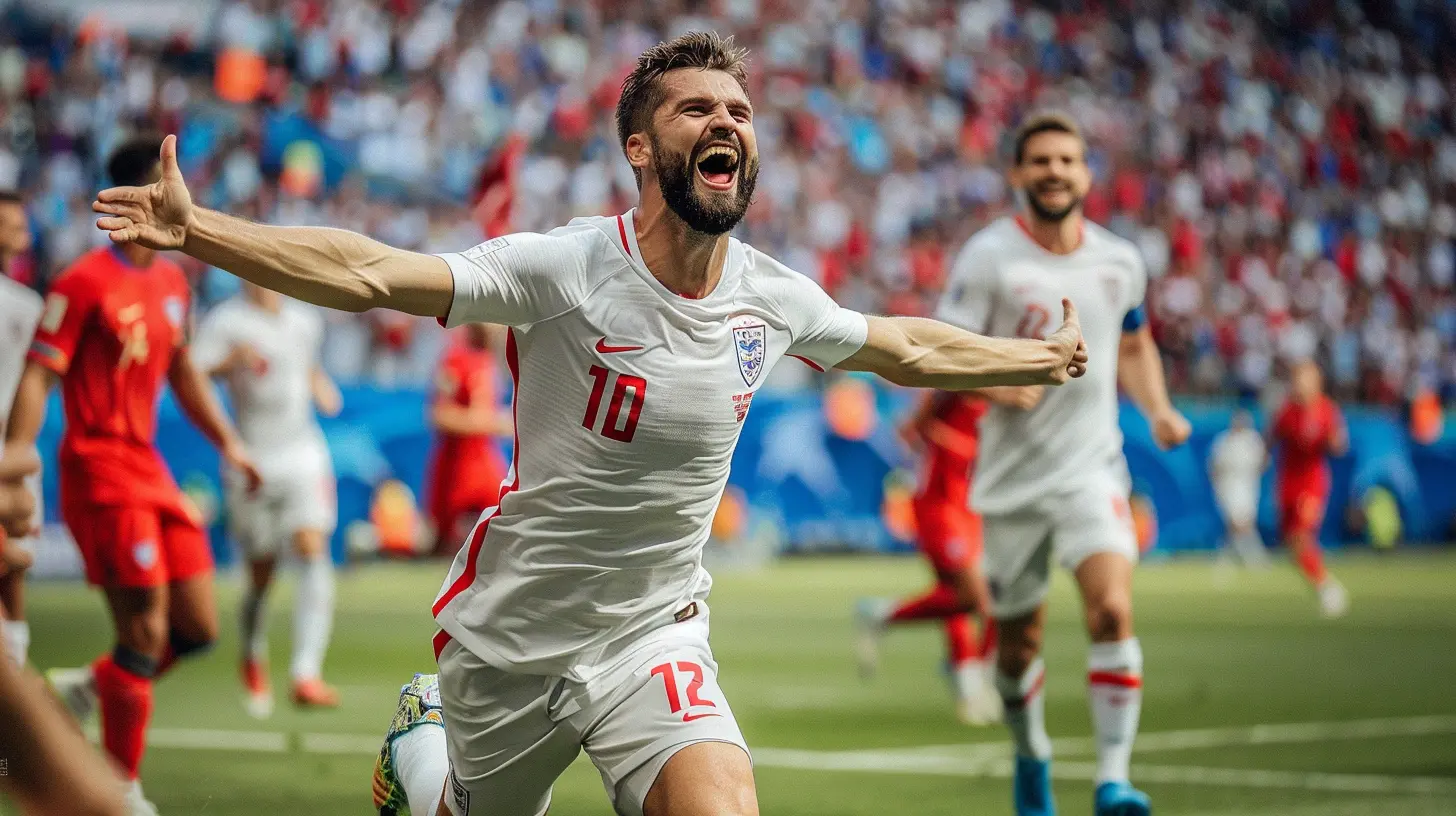
Tactical Revolution: A Brief Overview
To understand where we’re at right now, let’s first take a step back. Over the years, football has seen several tactical revolutions. In the early days, it was all about physicality and individual brilliance. Then came formations like 4-4-2, the pressing game, and the emphasis on possession. Each era has brought with it a shift in how teams approach the game.Today, we’re witnessing yet another tactical shift. Modern football is faster, more dynamic, and more complex than ever before. With the rise of data analytics, sports science, and advanced scouting techniques, national teams are now more equipped to fine-tune their tactics to exploit even the smallest advantages.
So how exactly are national teams adapting to this new tactical landscape? Let’s break it down.

1. Emphasis on Versatility
Gone are the days when a player could specialize solely in one position. Today’s game demands versatility. National team managers are now selecting players who can adapt to multiple roles. Whether you’re a defender, midfielder, or forward, chances are you’ll be expected to perform in more than one capacity.Take, for example, full-backs. In the past, their primary job was to defend. But now, they’re expected to contribute to both defense and attack. Players like Joshua Kimmich or João Cancelo are perfect examples of full-backs who can also play as midfielders. This flexibility allows coaches to tweak their tactics mid-game without having to make substitutions.
This shift towards versatility gives teams a tactical edge. It allows for more fluid formations and the ability to switch between attacking and defensive strategies seamlessly.
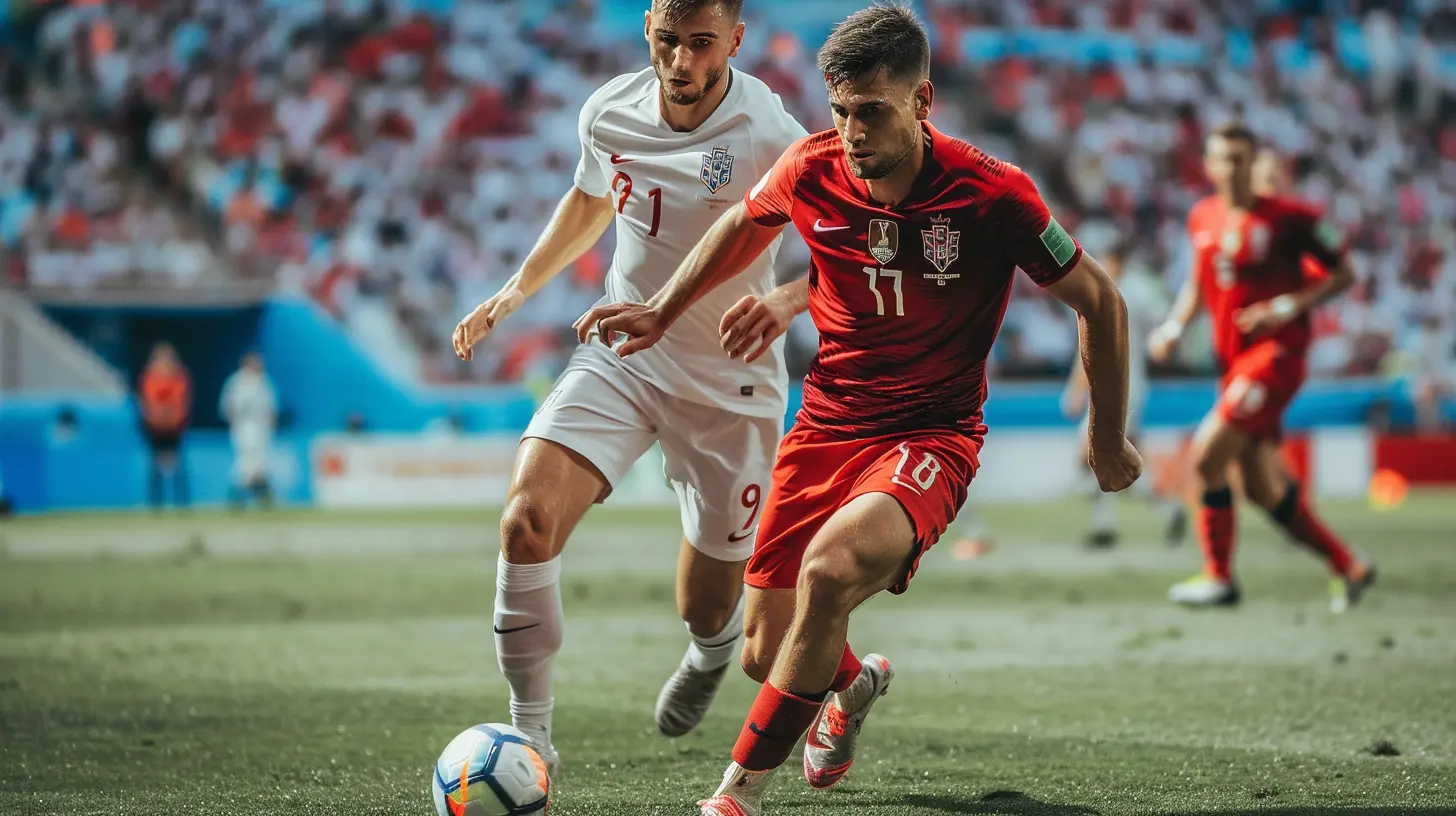
2. High-Pressing and Counter-Pressing
One of the most noticeable changes in modern football is the emphasis on high-pressing and counter-pressing. Teams are no longer content to sit back and defend or wait for opportunities. Instead, they are actively chasing the ball the second they lose it. This relentless pressure forces opponents into making mistakes, and national teams have been quick to adopt this approach.Look at teams like Germany, Spain, or even England. These sides are known for their aggressive pressing style. The moment the ball is lost, players swarm the opponent, cutting off passing lanes and forcing turnovers. It’s like a pack of wolves hunting down their prey.
This tactical shift requires incredible fitness levels, discipline, and coordination. Players need to be constantly aware of their positioning and ready to sprint at a moment’s notice. However, when executed properly, it can suffocate opponents and create scoring opportunities immediately after winning the ball back.

3. The Rise of Ball-Playing Defenders
Defenders, in the past, were mainly focused on one thing – defending. But in modern football, defenders are expected to be just as comfortable with the ball at their feet as they are without it. Today’s game demands that center-backs can play out from the back, distribute the ball, and even initiate attacks.Teams like Spain and Italy have embraced this concept with open arms. Players like Aymeric Laporte or Leonardo Bonucci are not only great defenders but also excellent ball distributors. This allows national teams to build attacks from the back rather than relying on long balls or risky clearances.
Ball-playing defenders add a new dimension to a team’s attack. Their ability to switch the play or pick out long, accurate passes opens up the field and forces opponents to stay on their toes.
4. The Fluid Midfield
The midfield has always been the engine room of any football team. But in the context of tactical modernization, the midfield has become even more crucial. Modern national teams are now focusing on building more fluid, dynamic midfields that can adapt to various situations.In today’s game, the traditional roles of a defensive midfielder, box-to-box midfielder, and playmaker are becoming increasingly blurred. Instead, we see midfielders who can do a bit of everything – defend, attack, pass, and press. Players like N’Golo Kanté, Frenkie de Jong, and Kevin De Bruyne are prime examples of modern midfielders who can switch between roles effortlessly.
This versatility in the midfield allows national teams to control the tempo of the game, dominate possession, and quickly adapt to changes in the flow of the match. It’s like having a Swiss army knife in the middle of the park – whatever the situation demands, they have the tools to handle it.
5. Focus on Set Pieces
Set pieces – whether it’s corners, free kicks, or throw-ins – have become a key part of modern football tactics. National teams are now dedicating significant time to perfecting set-piece routines. This is because set pieces often provide the best chance to break down stubborn defenses.Teams like England and France have been particularly lethal from set pieces in recent tournaments. They’ve developed intricate routines, using clever movement and precise delivery to catch opponents off guard. It’s not just about putting the ball into the box anymore; it’s about creating chaos and confusion in the opponent’s defense.
More often than not, games at the highest level are decided by small margins. A well-executed set piece can be the difference between victory and defeat. That’s why national teams are devoting so much attention to this aspect of the game.
6. Utilizing Wing Play in a Different Way
While wingers have always been essential in football, their roles have evolved significantly. Traditionally, wingers would hug the touchline, run down the flanks, and whip in crosses. But in the modern game, wingers are being used in more creative ways.It’s no longer uncommon to see wingers cutting inside, acting almost as secondary forwards or playmakers. Think of players like Kylian Mbappé or Raheem Sterling. They don't just stick to the sidelines; they drift inside, exploit spaces between defenders, and play a more central role in attack.
This tactic opens up more options for national teams. By allowing wingers to cut inside, they can overload the middle of the field, create more passing options, and confuse the defensive structure of their opponents. It’s all about unpredictability – keeping the opposition guessing and forcing them to make tough decisions.
7. Data and Analytics Driving Decisions
In the age of technology, data and analytics have become a game-changer in football. National teams are now using advanced data analysis to tweak their tactics, scout opponents, and even select lineups. With the help of data, coaches can identify patterns in the opposition's play, pinpoint weaknesses, and devise specific strategies to exploit them.This approach has become especially important in major tournaments like the World Cup or European Championship, where there is little time to prepare for each opponent. Every decision, from formation changes to substitutions, can be backed by precise data analysis.
Teams like Belgium and Germany have embraced the use of analytics in their approach to the game. They’re not just relying on gut feeling or traditional methods anymore; they're combining intuition with hard data to make more informed decisions.
8. Adapting to Opponent’s Style
Adaptability is the name of the game in modern football. National teams can no longer afford to play the same way against every opponent. Instead, they must be flexible and able to adjust their tactics based on the strengths and weaknesses of the team they’re facing.For instance, a team might play a possession-based game against a weaker opponent but switch to a more counter-attacking style against a stronger side. The ability to change tactics on the fly is crucial in modern football, especially in knockout tournaments where every match is a do-or-die situation.
Managers like Roberto Mancini with Italy or Didier Deschamps with France are known for tailoring their tactics to suit each opponent. It’s like playing chess – every move is calculated, and the ability to outthink your opponent is often the key to success.
9. Mental and Physical Conditioning
Finally, we can’t talk about tactical modernization without mentioning the importance of mental and physical conditioning. The demands of modern football are higher than ever, and national teams need players who are not only technically gifted but also mentally and physically fit to execute complex tactics.Top teams are now investing heavily in sports science, nutrition, and psychological support to ensure their players can perform at their peak. The high-pressing game, for example, requires extraordinary stamina and mental resilience. Without the right conditioning, even the best tactics can fall apart.
Teams like Germany and Brazil have state-of-the-art facilities and backroom staff dedicated to ensuring their players are always in top condition, both mentally and physically.
Conclusion
Football is constantly evolving, and national teams must adapt to stay ahead of the curve. Tactical modernization has brought about a new era of football, where versatility, pressing, ball-playing defenders, data-driven decisions, and adaptability are the keys to success. As the game continues to evolve, one thing is for sure – national teams that embrace these changes will have a significant advantage on the world stage.So, the next time you watch your favorite national team play, keep an eye out for these tactical innovations. You might just spot something new that wasn’t part of the game a few years ago!
all images in this post were generated using AI tools
Category:
National TeamsAuthor:

Fernando Franklin
Discussion
rate this article
2 comments
Bernadette Clark
It's inspiring to see how national teams are embracing tactical modernization. The evolution in strategies not only enhances gameplay but also showcases the passion and dedication of players and coaches alike.
May 13, 2026 at 4:26 AM
Fernando Franklin
Thanks for your thoughts! It's exciting to witness this evolution in tactics and the impact it has on the game. The dedication from everyone involved truly shines through.
Zadie Lewis
Exciting strategies shaping the future of football!
April 6, 2026 at 4:03 AM
Fernando Franklin
Thanks! It's fascinating to see how teams are evolving with new tactics to enhance their play.