How National Teams Prepare for High-Altitude Matches
11 July 2026
Ever tried running up a flight of stairs at a high-altitude location and felt completely out of breath? Now, imagine playing a full 90-minute football match under those conditions! High-altitude matches are no joke, and national teams must go the extra mile to ensure their players are ready to perform at their peak.
But how exactly do these teams prepare for such demanding conditions? Let’s dive into the fascinating world of high-altitude match preparation and see what it takes to conquer the thin air!
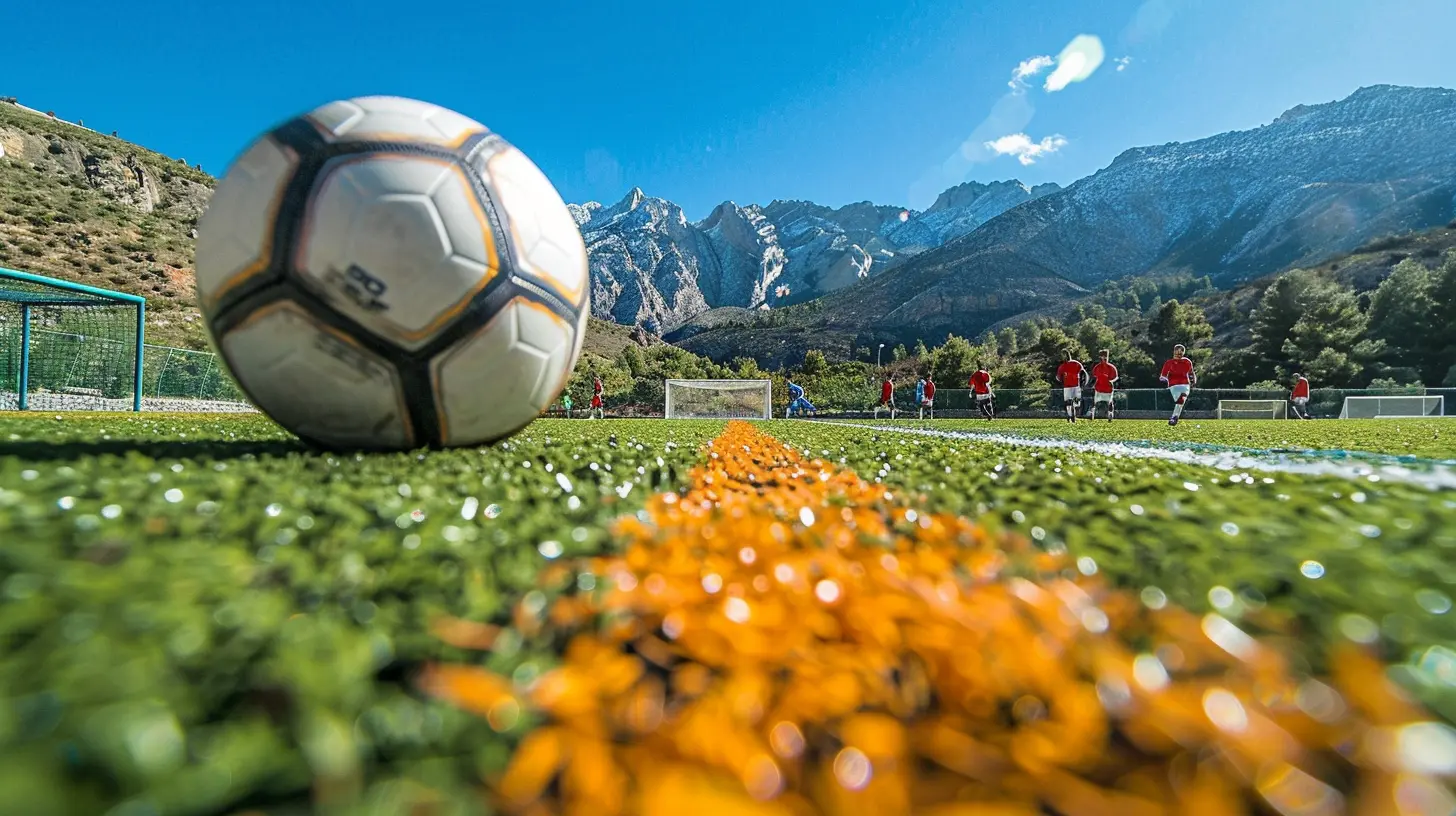
Understanding the Challenges of High-Altitude Matches
Before we get into the preparation strategies, it's essential to understand why high-altitude matches are so tough.Lower Oxygen Levels
At high altitudes, the air contains less oxygen, making it harder for players to breathe and for their muscles to get the oxygen they need. This can lead to quicker fatigue, reduced stamina, and overall sluggish performance.Decreased Aerobic Performance
Since there’s less oxygen, players can’t perform at their usual intensity for extended periods. This makes sprinting, pressing, and endurance-based gameplay significantly harder.Altitude Sickness
Some players might suffer from altitude sickness, which includes headaches, dizziness, nausea, and even trouble sleeping. Not exactly ideal conditions for an elite football match, right?Now that we’ve covered the challenges, let’s look at how national teams tackle these issues head-on! 
How National Teams Prepare for High-Altitude Matches
1. Arriving Early to Acclimatize
One of the best ways to prepare for high-altitude conditions is to arrive early and let the body adjust. National teams often travel to high-altitude locations days or even weeks before the match.This allows players to gradually adapt to the lower oxygen levels, reducing the chances of altitude sickness and improving their overall endurance. Some teams, however, opt to arrive just a day before the match to avoid prolonged exposure to altitude, hoping their bodies won't have time to react negatively.
2. Training at High Altitude or in Altitude Chambers
Since not every team is based in a high-altitude region, they often simulate the conditions in other ways.High-Altitude Training Camps
Teams sometimes set up training camps in high-altitude areas months before crucial matches. Training under these conditions helps the players' bodies produce more red blood cells, which improves oxygen delivery to muscles.Altitude Chambers
Modern technology allows teams to bring altitude training to their home facilities. Altitude chambers simulate high-altitude air composition, helping players adapt without needing to travel. These chambers gradually increase exposure to lower oxygen levels, ensuring the players' bodies adapt over time.3. Using Oxygen Therapy
Ever seen a player on the bench with an oxygen mask? That’s not just for show! Oxygen therapy is used to help players recover faster and maintain peak performance.National teams use oxygen tents and portable oxygen canisters to boost oxygen intake before, during, and after matches, minimizing fatigue and keeping players fresh.
4. Adjusting Training Routines
Training at high altitude isn’t the same as training at sea level. Coaches modify schedules to ensure players don’t push themselves too hard too soon.Shorter but More Intense Sessions
Instead of long, exhausting sessions, teams opt for shorter yet intense workouts. This prevents over-exertion while still improving endurance.Incorporating Altitude-Specific Drills
Players practice high-intensity drills with controlled recovery periods. This helps them adjust to the physical demands of playing with less oxygen.5. Nutrition and Hydration Strategies
Since dehydration happens faster at high altitudes, players need to drink more water than usual. Teams emphasize proper hydration with electrolyte-filled drinks and strict monitoring to avoid dehydration.Iron-Rich Diets
Iron plays a crucial role in producing red blood cells, which help carry oxygen through the body. Teams ensure players consume iron-rich foods like spinach, lean meats, and beans to boost their oxygen-carrying capacity.Carbohydrate Loading
Carbs are the primary fuel source for endurance sports. National teams increase the intake of complex carbohydrates like whole grains, fruits, and vegetables to provide sustained energy during matches.6. Mental Preparation and Breathing Techniques
Playing in high-altitude conditions isn’t just a physical challenge—it’s also a mental one. Players need to stay calm and composed, even when they feel like they’re running out of breath.Controlled Breathing Exercises
Deep breathing exercises help players maximize oxygen intake and prevent breathlessness. Techniques like diaphragmatic breathing can make a huge difference during intense moments.Visualization and Mental Training
Teams work with sports psychologists to train players’ minds for the challenge. Visualization exercises help them stay confident and focused, no matter how tough the conditions get.7. Tactical Adjustments for High-Altitude Matches
Even the best-prepared players can struggle under tough conditions, so teams often tweak their tactics to compensate.Playing at a Slower Tempo
Instead of high-pressing for the entire match, teams conserve energy by playing at a slower pace and picking their moments to attack.Rotating Players More Frequently
Coaches use their substitutions wisely, ensuring fresh legs are always on the field. This helps maintain a high level of performance throughout the game.Longer Possession Play
Holding onto the ball for longer periods reduces the physical demand on players. Teams opt for controlled, patient build-ups rather than constant end-to-end action.
Famous High-Altitude Matches and Their Impact
Some iconic high-altitude matches have tested the best players in the world. Let’s look at a few unforgettable games:Bolivia vs. Argentina (World Cup Qualifier, 2009)
Lionel Messi and Argentina were completely outplayed in a stunning 6-1 defeat to Bolivia in La Paz, which sits at 3,640 meters (11,942 feet) above sea level. The altitude played a massive role, leaving the usually dominant Argentina struggling to keep up.Ecuador’s Home Advantage in Quito
Ecuador’s national team often thrives in their high-altitude capital, Quito (2,850 meters). Opponents frequently struggle with the conditions, giving Ecuador a significant home advantage.Colombia vs. Brazil (World Cup Qualifier, 2017)
Even Brazil’s superstars found it tough playing in the high-altitude city of Bogotá. The thin air affected their usual high-energy style, and they had to adjust their play significantly.
The Future of High-Altitude Preparation
With advancements in sports science and technology, national teams are finding even more ways to prepare for high-altitude matches. From genetic testing to personalized altitude training programs, the future of altitude preparation looks exciting.Who knows? Maybe in a few years, teams will have even more innovative techniques to make high-altitude matches feel like a walk in the park!
Final Thoughts
High-altitude matches are one of the toughest challenges in football. National teams must carefully plan their training, nutrition, and tactics to ensure they’re ready to perform when the air gets thin.It’s not just about being physically fit—it’s about adapting, strategizing, and overcoming the odds. And the teams that master these conditions? They turn high-altitude nightmares into glorious victories!
all images in this post were generated using AI tools
Category:
National TeamsAuthor:

Fernando Franklin
Discussion
rate this article
1 comments
Valerie McVaney
High-altitude matches are tough, but preparation makes all the difference. Teams that adapt and embrace the challenge can turn potential obstacles into incredible victories. Keep pushing!
July 11, 2026 at 3:00 AM