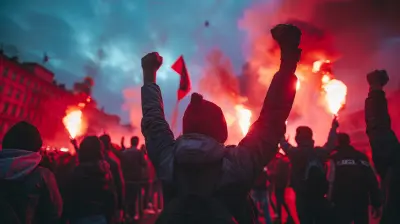
Inside the Ultras: A Deep Dive into Football Fan Gangs
2 June 2026
Football isn’t just a sport; for many, it’s a way of life. The passion, the emotions, the electrifying atmosphere—there’s nothing quite like it. But behind the scenes, in the heart of the stands, there exists an intense, almost secretive world: the Ultras.
These hardcore football fan groups are known for their unwavering loyalty, passionate support, and, sometimes, controversial actions. But who are they? What drives them? And how do they shape modern football culture? Let’s dig into the fascinating, and often misunderstood, world of football’s most die-hard supporters. 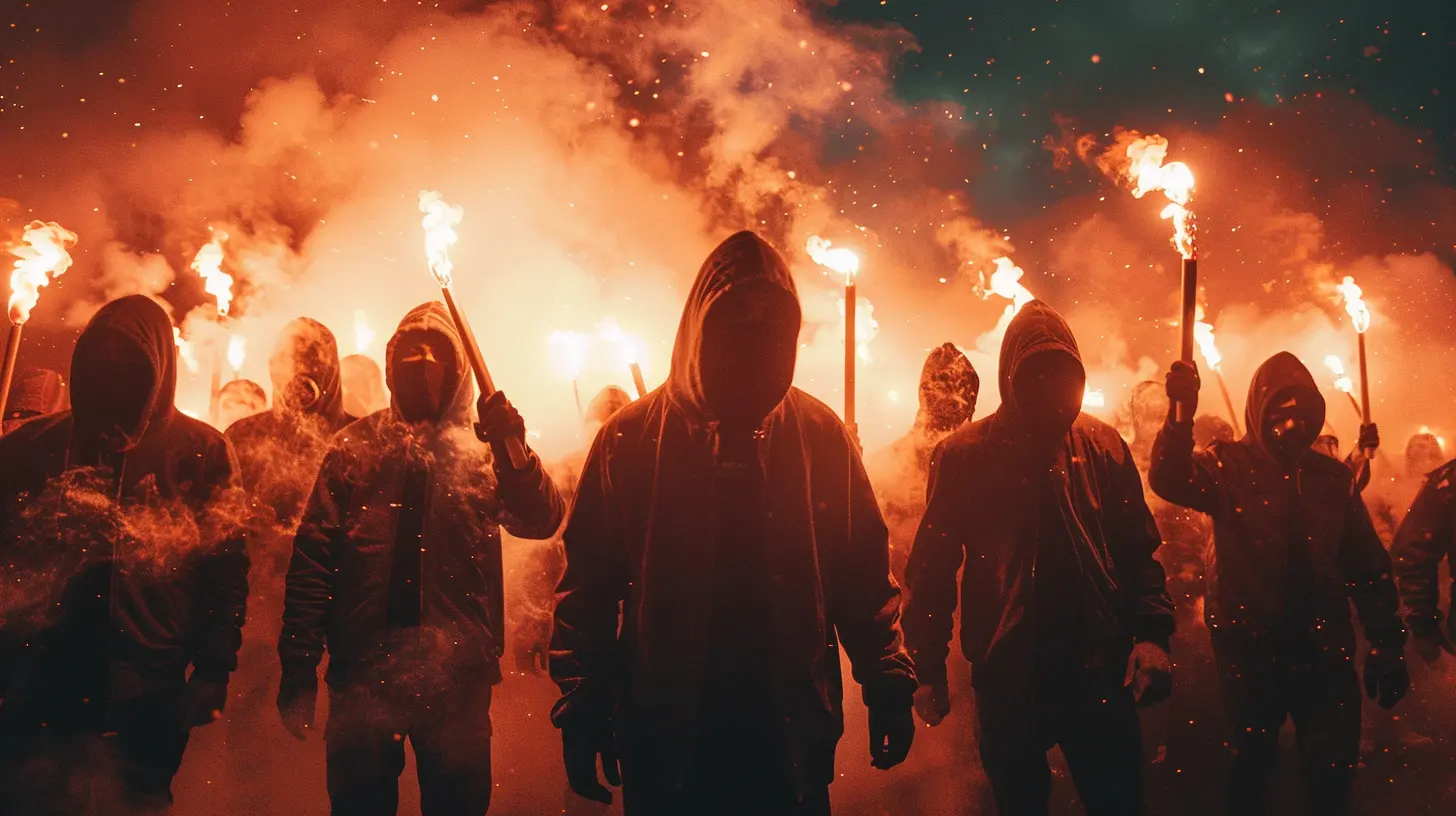
Who Are the Ultras?
Ultras are not just ordinary football fans—they are devoted, staunch supporters who bring the noise, color, and energy to stadiums worldwide. They don't just watch matches; they live them. Their loud chants, synchronized cheers, pyrotechnic displays, and intricate banners create an atmosphere like no other.The term “Ultras” originated in Italy in the late 1960s with groups like Fossa dei Leoni (AC Milan) and Brigate Rossonere. Over the decades, the movement spread across Europe and beyond, influencing football culture in South America, Asia, and even parts of North America.
But being an Ultra isn’t just about cheering for the team. It’s a lifestyle—one that often comes with a strict code of loyalty, brotherhood, and, sometimes, conflict. 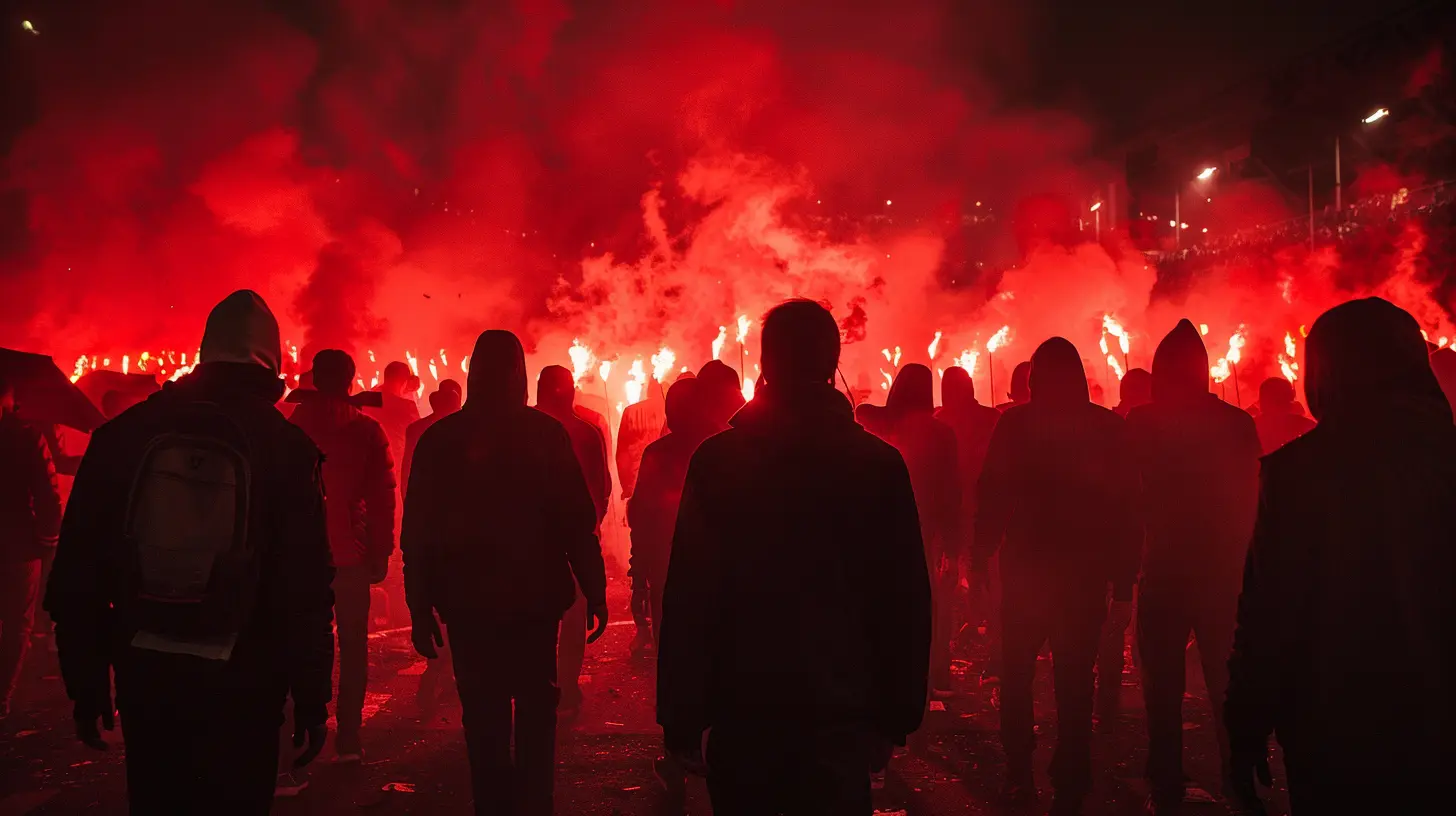
The Code of the Ultras
Ultras operate under their own set of principles, which differ from casual football fans. Some key aspects of their culture include:1. Unwavering Support
Winning or losing, rain or shine—an Ultra never abandons their team. They show up for every match, home or away, often covering long distances at their own expense.2. Pyrotechnics & Tifo Displays
If you’ve ever seen stadiums ablaze with smoke bombs, flares, and massive choreographed banners (tifos), that’s the work of Ultras. Their visual spectacles are legendary, turning stadiums into fortresses of passion.3. No Commercial Influence
Ultras reject modern football’s commercialization. Many view corporate sponsorships and rising ticket prices as threats to football’s working-class roots. For them, football isn’t about money—it’s about the raw, unfiltered love for the game.4. Rivalries & Territory
Football rivalries are intense, but for Ultras, they’re personal. Derbies and clashes with rival fan groups can lead to heated encounters, both inside and outside stadiums. Some take these rivalries to the extreme, engaging in organized fights known as “firms” or “meet-ups.”5. Brotherhood & Loyalty
Being an Ultra means being part of a family. There’s a deep sense of camaraderie among members, often extending beyond football. Some see their group as brothers in arms—loyalty is non-negotiable.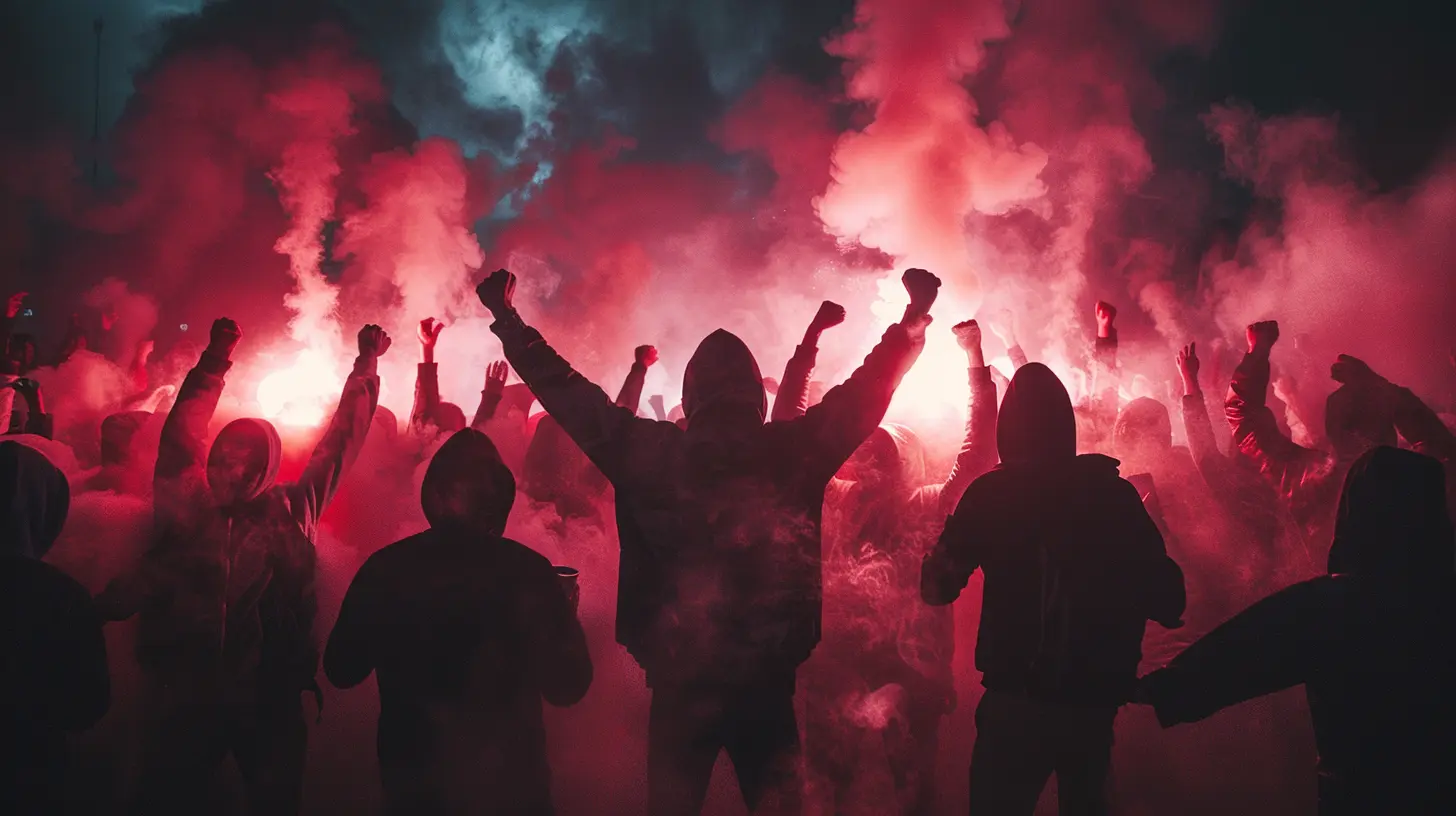
The Dark Side of the Ultras
While Ultras bring unrivaled passion to football, their reputation isn’t always positive. Some groups have been linked to violence, hooliganism, and even political extremism.Hooliganism & Street Violence
Not all Ultras are violent, but some factions take their rivalries to another level. Fights between fan gangs have led to serious injuries and, in extreme cases, deaths. The most infamous incidents—like the Heysel Disaster (1985) and Egypt’s Port Said Massacre (2012)—highlight the darker side of extreme fan culture.Clashes with Authorities
Ultras often have a tense relationship with law enforcement. Police crackdowns, stadium bans, and surveillance are common in an attempt to curb violence and illegal activities. In some countries, governments have even outlawed certain Ultras groups due to security concerns.Political Extremism
Some Ultras groups have strong political leanings, ranging from far-left to far-right ideologies. This has led to conflicts not just with rival fans but also with governments, clubs, and organizations trying to maintain order in the sport.
Ultras vs. Casual Fans: What’s the Difference?
While all Ultras are football fans, not all fans are Ultras. Casual supporters enjoy the game, cheer for their teams, and may even attend matches regularly—but they don’t necessarily immerse themselves in the Ultra lifestyle.Here’s a quick breakdown of the key differences between Ultras and ordinary fans:
| Feature | Ultras | Casual Fans |
|---|---|---|
| Commitment Level | Extremely high, lifelong dedication | Supportive but not obsessive |
| Match Attendance | Every game, home & away | Mostly home games, occasional away matches |
| Support Style | Chants, banners, flares, organized displays | Normal cheering, sometimes joining in chants |
| Rivalries | Deeply personal, sometimes violent | Mostly banter, avoiding conflict |
| View on Modern Football | Anti-commercialization, anti-corporate | Accepting of change and sponsorships |
The Positive Impact of the Ultras
Despite the controversies, Ultras have also contributed significantly to football culture in ways that casual fans can’t ignore.Unmatched Atmosphere
Without Ultras, stadiums would lose much of their energy. Their chants, songs, and creative tifos make matchdays thrilling and unforgettable.Community Support & Activism
Many Ultras engage in social causes, organizing charity events, food drives, and raising funds for local communities. Some even help fellow fans with medical bills or housing problems.Keeping Football Passionate
Ultras remind us that football isn't just about money, marketing, or celebrity players. They bring raw, unfiltered passion to the game, keeping the soul of football alive.The Future of Ultras in Football
Football is changing. With clubs enforcing stricter regulations, rising ticket prices, and increased surveillance, the Ultras movement faces challenges. Authorities are cracking down on violence, clubs are promoting “family-friendly” stadiums, and commercialization continues to push modern football in a different direction.Will Ultras adapt, or will they fade into history? That remains to be seen. But one thing is for sure: as long as football exists, there will always be those who live and breathe their club with an unbreakable passion.
Final Thoughts
Love them or hate them, Ultras are an integral part of football culture. Their loyalty, energy, and sense of identity create the kind of atmosphere that makes football more than just a game. Sure, there are negatives—violence, politics, and conflicts with authorities—but at their core, Ultras are simply devoted fans who refuse to let the essence of football die.So next time you hear the roar of the crowd, see the flares light up the stands, or witness a breathtaking tifo display, just remember—the Ultras are the heartbeat of the game.
all images in this post were generated using AI tools
Category:
HooliganismAuthor:

Fernando Franklin
Discussion
rate this article
1 comments
Chloe Snyder
What a fascinating look into the passion of football fan culture! It's incredible to see how these groups bring energy and camaraderie to the game. Keep cheering and stay united, fans!
June 10, 2026 at 3:05 AM