Stadium Security: Are We Doing Enough to Prevent Violence?
12 August 2026
When you think of attending a live sports event, your mind probably conjures up images of cheering crowds, the smell of hot dogs, the sound of a whistle blowing, and maybe even the excitement of a last-second goal. What you probably don’t think about is violence. Yet, in recent years, the issue of stadium violence has crept into headlines. From fan brawls to pitch invasions, these incidents are becoming more and more common. So, this begs the question: Are we doing enough to prevent violence in stadiums?
In this article, we’ll dive deep into the world of stadium security, examining whether current measures are effective, the role of technology, and what more can be done to ensure that everyone can enjoy the game without fear.
The Rise of Stadium Violence
A Growing Concern
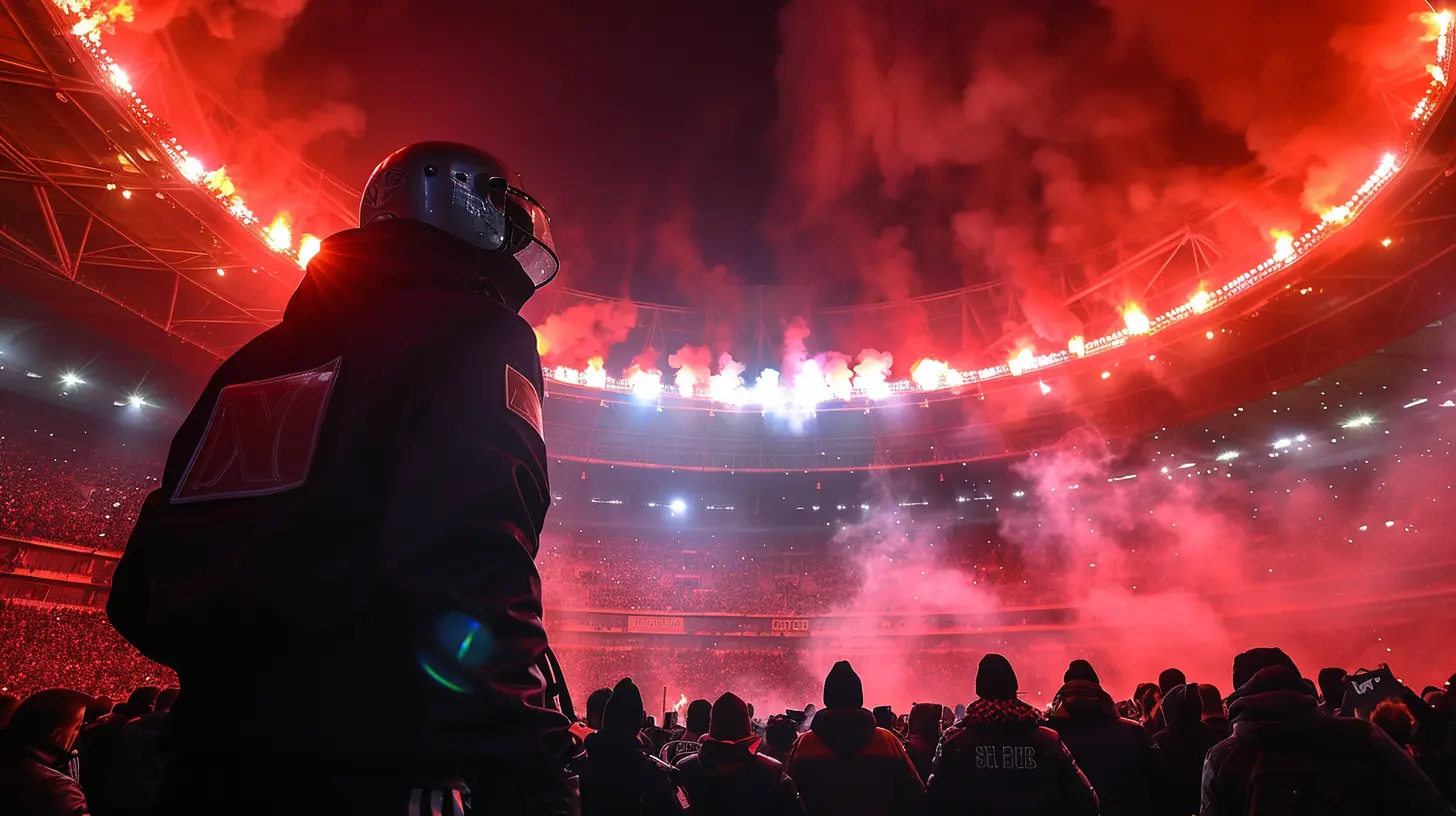
Stadiums are supposed to be places of joy and excitement, where fans come together to support their teams. But in recent years, we’ve seen a disturbing trend: violence in and around stadiums is on the rise. It’s not just a few isolated incidents either. From large-scale riots to individual confrontations, the problem seems to be growing.Just look at some of the high-profile incidents in recent years. We’ve seen fans storm the field after a bitter defeat, angry mobs clashing with rival supporters, and even altercations between fans and players. It’s enough to make anyone wonder: What happened to the days when a sporting event was just about the game?
Why Is Violence Happening?
Before we can answer whether we’re doing enough to prevent violence, we need to understand why it’s happening in the first place. There are several reasons why violence occurs in stadiums, but some of the most common include:1. Alcohol consumption: Let’s face it, alcohol and sports events go hand-in-hand. But when fans have one too many drinks, tempers can flare, leading to confrontations.
2. Rivalries: Sports are built on rivalries, and while they can be fun, they can also cross the line. Some fans take their loyalty to their team to an extreme, leading to clashes with the opposing side.
3. Lack of security: In some cases, the violence occurs simply because there aren’t enough security measures in place to stop it.
4. Emotional investment: People are passionate about sports. When emotions run high—especially when their team is losing—some fans may take out their frustration in violent ways.
The Impact of Violence
The consequences of violence at sporting events go far beyond just a few bruised egos or black eyes. For one, it can make attending these events less enjoyable for everyone. Families may think twice before bringing their children, and casual fans may opt to stay home rather than risk getting caught in an altercation.Moreover, violence can have financial repercussions for teams and stadiums. Fines, lawsuits, and damage to property can all add up, not to mention the potential loss of revenue from fans who decide not to attend future events. It’s a lose-lose situation.
What Stadium Security Looks Like Today
A Layered Approach
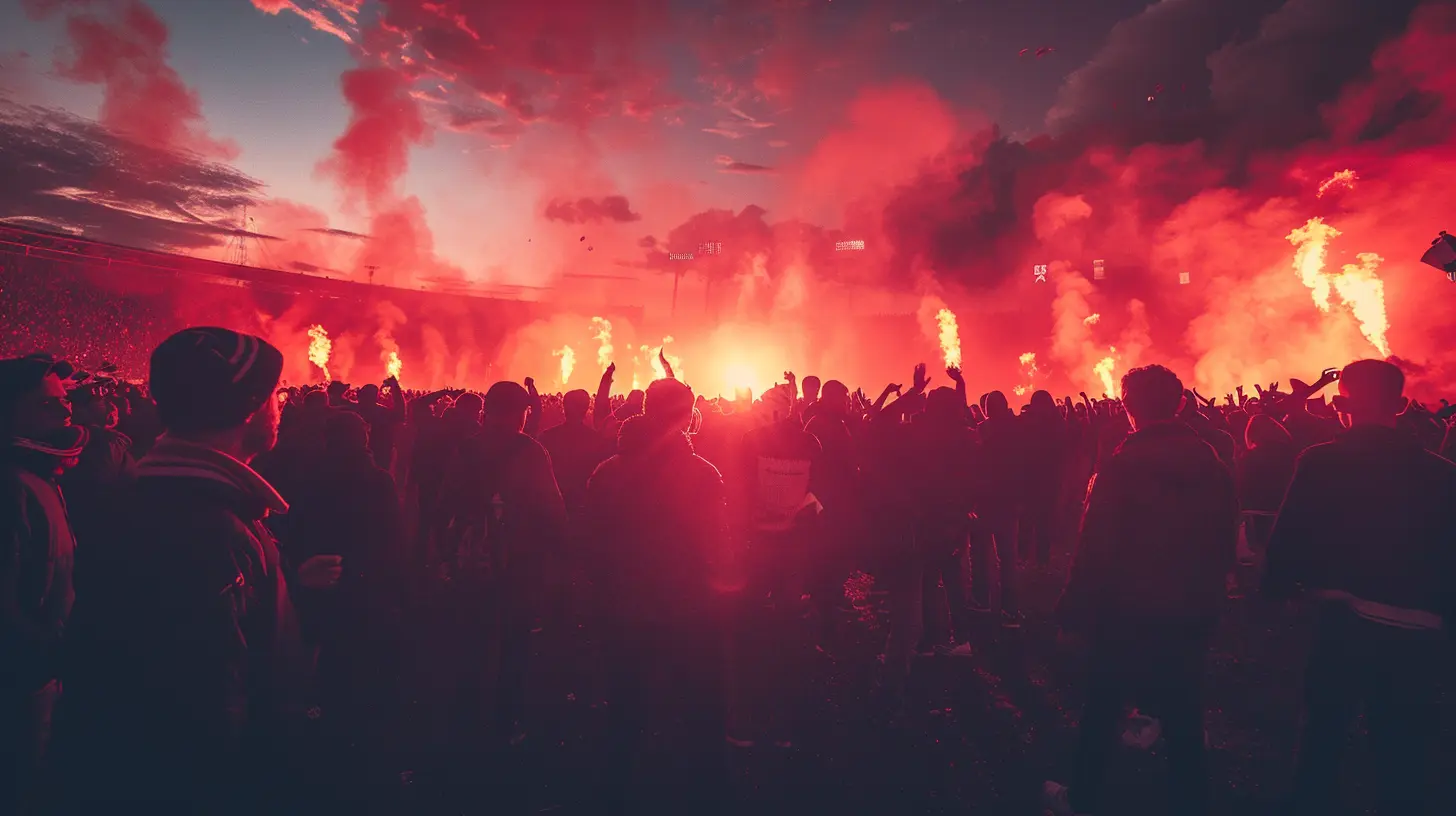
Most stadiums today use a layered approach to security, meaning they rely on several different measures to keep fans safe. These might include:- Bag checks at the entrance to prevent weapons or other prohibited items from being brought inside.
- Metal detectors to screen for dangerous items.
- Security personnel positioned throughout the stadium to monitor fan behavior and break up any potential altercations.
- Surveillance cameras to keep an eye on the crowd.
On paper, this sounds pretty solid, right? But the reality is that these measures are often not enough. Let’s break it down.
The Flaws in Current Security Measures
Understaffed and Overwhelmed
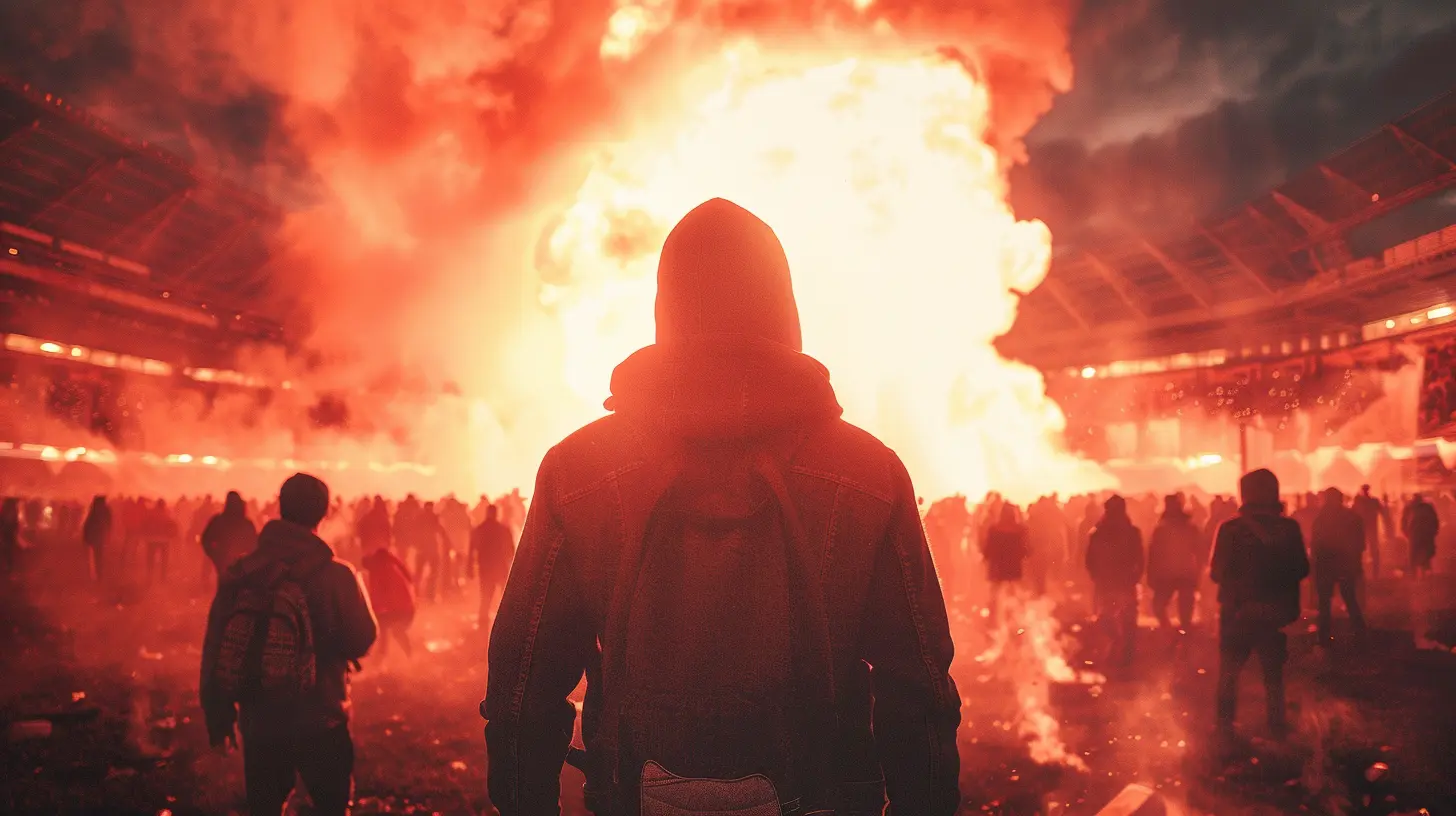
One of the biggest problems with stadium security is that it’s often understaffed. Think about it: a stadium can hold tens of thousands of fans, yet there are usually only a limited number of security personnel on hand to monitor the situation. It’s like trying to put out a forest fire with a garden hose.When something does go wrong, security personnel are often overwhelmed. They’re forced to pick and choose which situations to address, leaving other potential problems to fester. This can lead to violence escalating before security is even able to intervene.
The Alcohol Problem
Alcohol is probably the most significant contributor to violence in stadiums. Yes, there are strict rules about alcohol consumption, but enforcing them is a whole different story. Most stadiums limit the sale of alcohol after a certain point in the game, but by then, the damage is often already done. Fans who have been drinking heavily throughout the game can become belligerent and aggressive, making them more likely to get involved in a fight.Rivalries Gone Wrong
Another issue is the way that stadiums handle rivalries. Sure, some measures are in place, like separating fans of opposing teams or having designated sections for "away" supporters. But when tensions are running high, these measures often fall short. Security personnel can’t be everywhere at once, and it only takes a small spark to ignite a full-blown confrontation.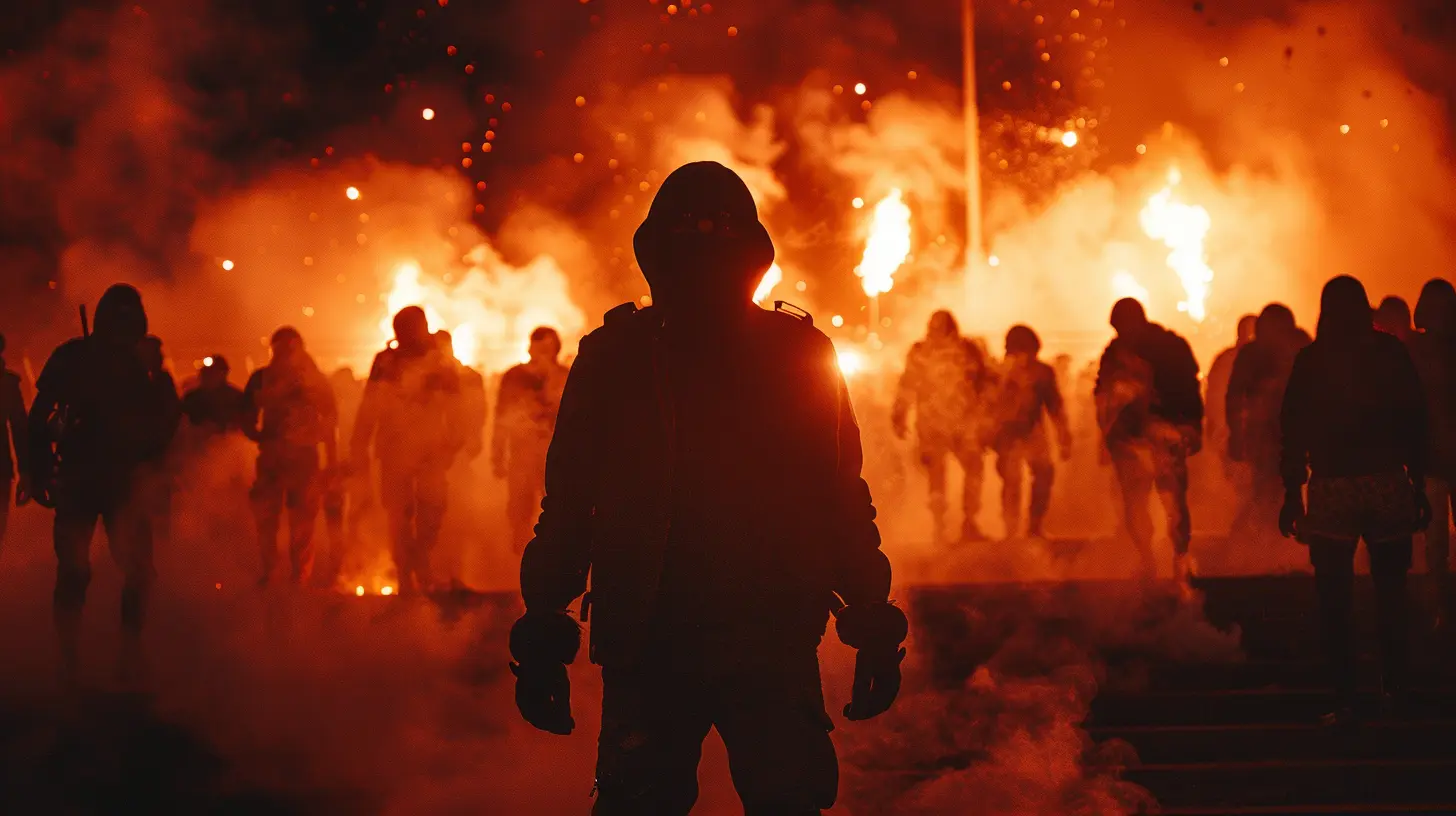
Can Technology Help?
The Rise of AI and Surveillance
In recent years, some stadiums have started to explore the use of technology to enhance security. For example, facial recognition technology is being tested in some venues to identify known troublemakers and prevent them from entering the stadium. This could be a game-changer, as it allows security to focus their efforts on fans who are most likely to cause problems.Another potential solution is the use of AI-powered surveillance systems. These systems can monitor the crowd in real-time, using algorithms to detect signs of trouble, such as fans gathering in large groups or acting aggressively. Once a potential issue is identified, security personnel can be alerted and dispatched to the scene before things get out of hand.
Drones and Body Cams
Some stadiums are even experimenting with the use of drones to monitor the outside of the stadium and surrounding areas. These drones can cover a lot of ground quickly, providing security with a bird’s-eye view of any potential trouble spots.Body cameras worn by security personnel are also gaining traction. These cameras can not only help to deter violence (since fans know they’re being recorded) but also provide valuable evidence if an incident does occur.
What More Can Be Done?
Harsher Penalties
One way to deter violence is to implement harsher penalties for those who are caught engaging in it. This could include anything from banning offenders from attending future games to pressing criminal charges. While some stadiums already have these policies in place, they’re not always enforced as strictly as they should be.Better Training for Security Personnel
Another solution is to provide better training for security personnel. Right now, many security staff are part-time employees who may not have the experience or training needed to effectively deal with violent situations. By investing in comprehensive training programs, stadiums can ensure that their security personnel are better equipped to handle whatever comes their way.Alcohol Restrictions
Limiting alcohol sales is another potential solution. Some stadiums have already started to cut off alcohol sales earlier in the game, but this could be taken a step further. For example, stadiums could implement strict limits on the amount of alcohol a fan can purchase or even ban alcohol sales altogether in certain sections of the stadium.Fan Education
Finally, stadiums can take steps to educate fans about the consequences of violence. This could include everything from public service announcements during the game to campaigns on social media. By reminding fans that violence has no place in sports, stadiums can help to create a culture of respect and sportsmanship.
Conclusion: Are We Doing Enough?
So, are we doing enough to prevent violence in stadiums? The short answer is no. While there are certainly some measures in place, they’re often not enough to truly prevent violence from occurring. Stadiums need to take a more proactive approach, using technology and better training to ensure that fans can enjoy the game without fear.At the end of the day, sports are supposed to bring people together, not tear them apart. It’s time to step up our game when it comes to stadium security. After all, a safe stadium is a fun stadium, and that’s something we can all cheer for.
all images in this post were generated using AI tools
Category:
HooliganismAuthor:

Fernando Franklin