The Art of Counterattacking: Turning Defense into Offense
3 July 2026
Defense wins championships, but counterattacking turns defenders into predators. In any sport—whether it's soccer, basketball, or even combat sports—the ability to strike back swiftly after absorbing pressure is a game-changer. Teams and athletes who master the art of counterattacking don’t just survive defensive situations; they thrive by flipping the script on their opponents in a matter of seconds.
So, how do you perfect the craft of counterattacking? Let's break it down step by step. 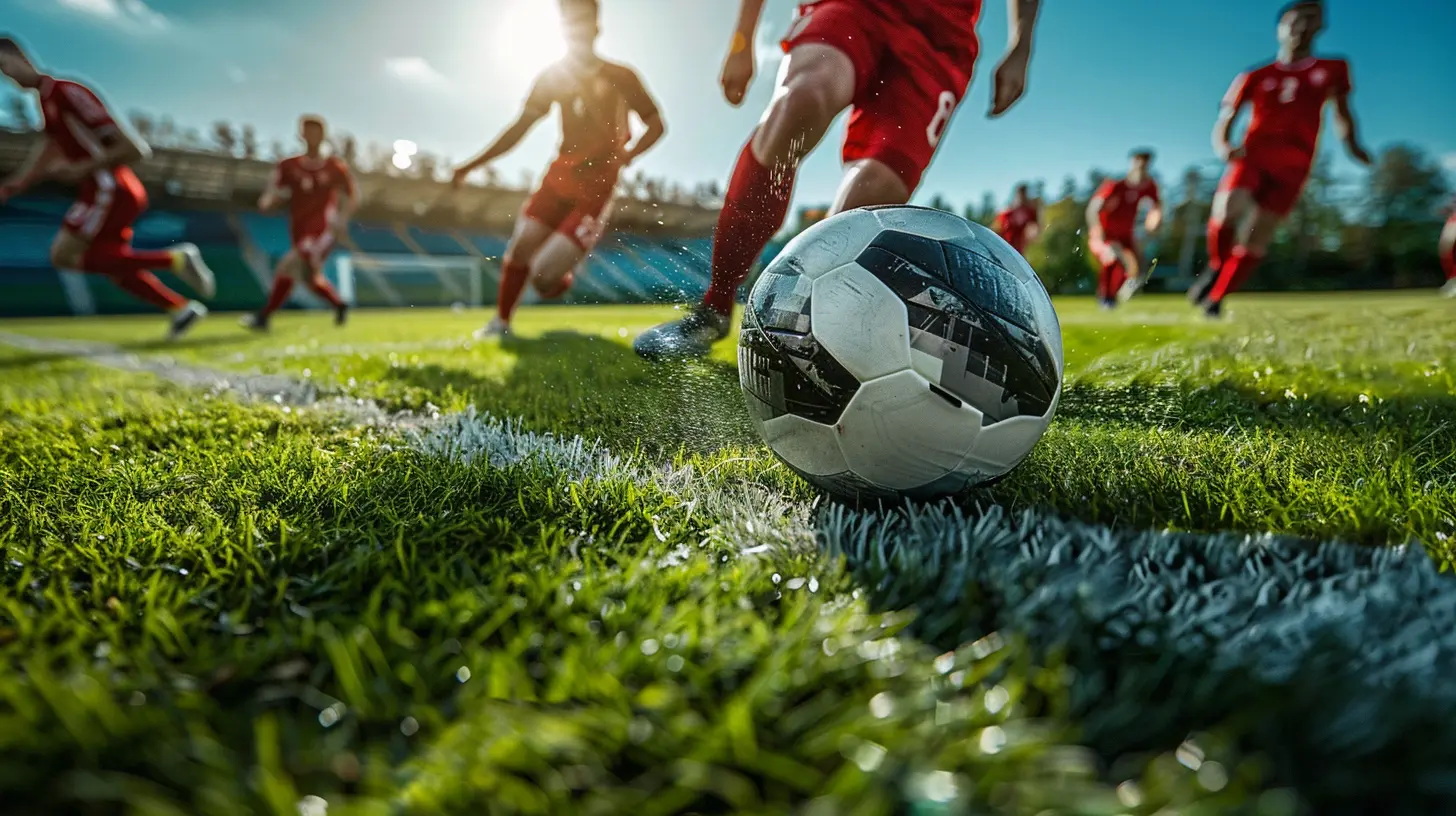
What is Counterattacking?
At its core, counterattacking is all about quickly transitioning from defense to offense, catching the opposition off guard. It’s like a boxer slipping a punch and delivering a knockout shot before his opponent even realizes what happened.Counterattacks are deadly because they take advantage of defensive vulnerabilities. When teams commit too many players forward, they leave gaps behind. If you can exploit those spaces with speed, precision, and decision-making, you can turn defensive moments into goal-scoring or point-scoring opportunities in an instant. 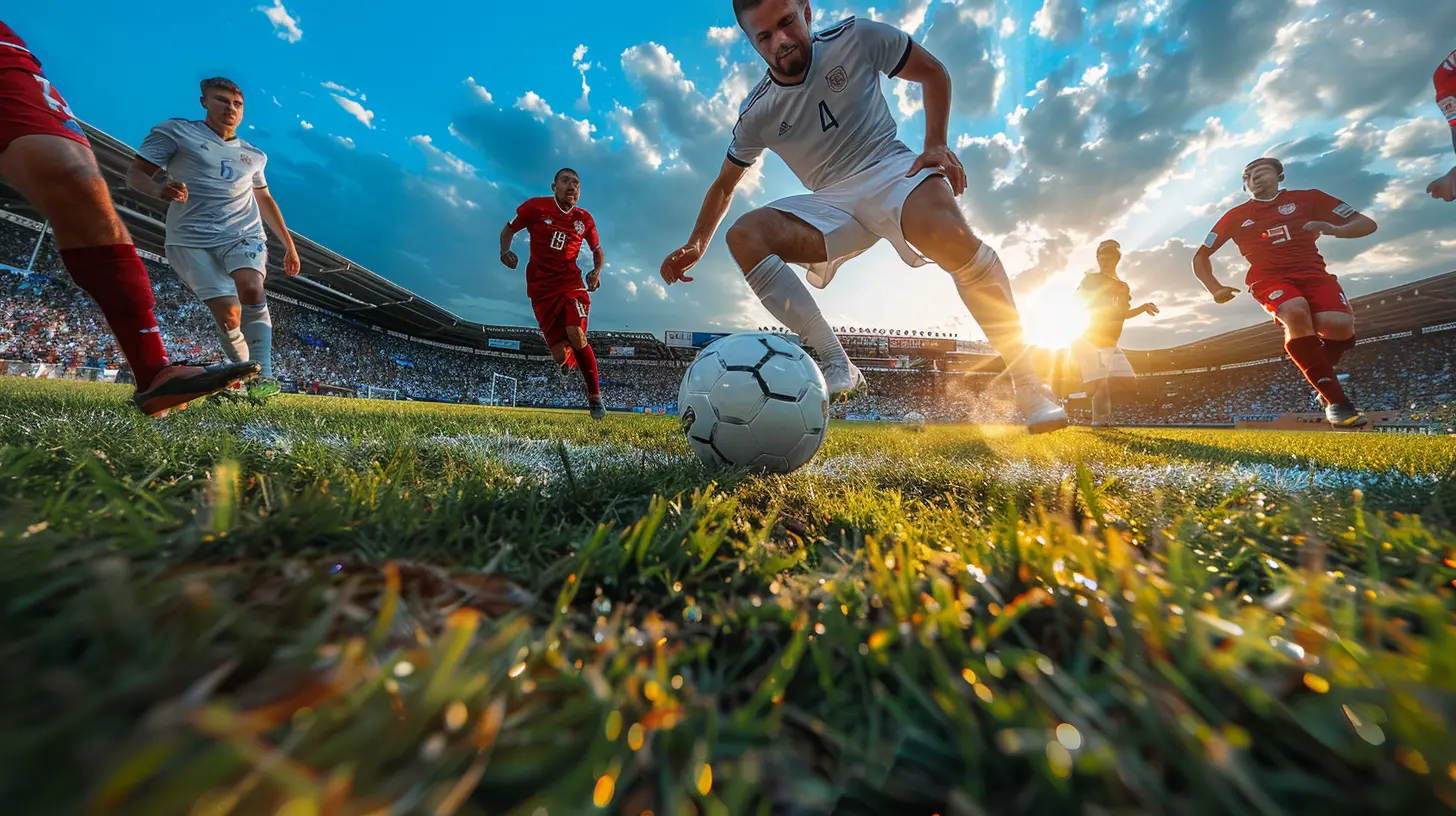
Why Counterattacking is So Effective
Counterattacking is one of the most underrated and efficient strategies in sports. Here’s why it works so well:1. Exploiting Defensive Gaps
When a team pushes too hard into the attack, they often leave spaces in behind. A well-timed counterattack punishes this overcommitment, allowing you to strike when they’re least prepared.2. Catching Opponents Off Guard
Teams that dominate possession can sometimes get complacent. A sharp counterattack cuts through their comfort zone and forces them into last-ditch defending.3. Utilizing Speed and Precision
Quick ball movement, sprinting attackers, and sharp decision-making make counterattacks nearly unstoppable. If executed correctly, the opposition barely has time to react.4. Minimizing Defensive Pressure
Unlike a slow buildup, a counterattack avoids prolonged battles against a set defense. Instead, it takes advantage of moments when the opposition is stretched out and disorganized.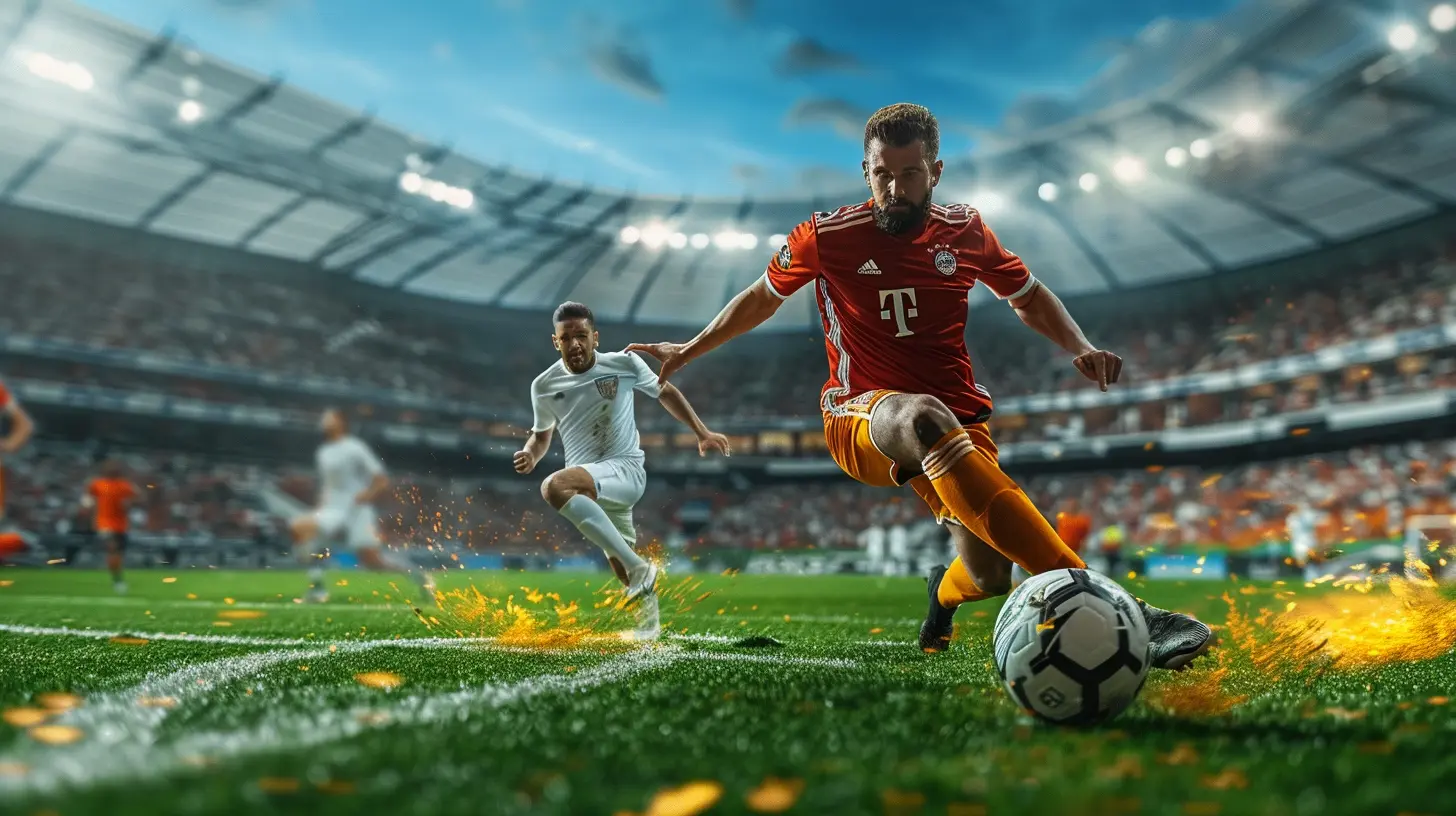
Keys to a Successful Counterattack
Okay, so you know why counterattacks are an essential weapon. But how do you execute them flawlessly? Here are the critical components:1. Defensive Solidity
You can’t counterattack if your defense is in shambles. A compact and disciplined defensive line is the foundation of an effective counter, ensuring that you win possession in dangerous areas.2. Speed and Awareness
The best counterattacks happen in a flash. Players must anticipate turnovers, react instantly, and sprint into open spaces before the opposition has time to recover.3. Quick Transitions
Sluggish build-up kills counterattacks. The moment the ball is won, it needs to be moved forward—whether it's a fast dribble, a long pass, or a combination play. The faster you transition, the deadlier your attack.4. Finding the Right Pass
Not every counterattack requires a long ball. Sometimes, a simple through-pass or a series of quick passes can carve through the opposing defense. The key is reading the game and choosing the best option in the heat of the moment.5. Converting Chances
A counterattack without an end product is wasted energy. Players must stay composed under pressure to finish their chances—be it a calm football finish, a dunk in basketball, or a knockout blow in combat sports.
Counterattacking in Different Sports
Counterattacking isn’t limited to soccer. It appears in various sports, each with its own unique approach.Soccer (Football)
The most famous counterattacking teams in soccer—think of prime-era Real Madrid or Leicester City’s 2015-16 title-winning side—excel at launching fast breaks with direct passes and lightning pace. The idea is to win the ball deep, release quick runners, and isolate defenders in one-on-one situations.Basketball
In basketball, counterattacking is equivalent to fast breaks. When a defensive rebound is secured, teams push up the court at full speed, creating numerical advantages before the opponent's defense can set up.American Football
Teams in the NFL use counterattacks in the form of quick-strike offenses. A defense that forces a turnover—whether an interception or fumble—immediately looks for a deep pass or a swift drive down the field before the opposing defense resets.Boxing and MMA
Counterattacking in combat sports is all about reaction time. Fighters wait for their opponents to commit to a big move, then exploit the opening with a devastating counterpunch or takedown.Famous Counterattacking Moments in Sports
Throughout history, some of the most legendary moments in sports have come from brilliant counterattacks. Here are a few unforgettable ones:1. Leicester City’s Title-Winning Counterattack (2015-16)
Jamie Vardy’s goal against Liverpool, where he latched onto a long ball and scored a stunning volley, was a masterclass in counterattacking football.2. LeBron James’ Fast-Break Dunk in the NBA Finals
LeBron has made a career out of turning defense into offense with explosive coast-to-coast runs after blocks or steals, leaving defenders in his wake.3. Muhammad Ali vs. George Foreman (“Rope-a-Dope” Strategy)
Ali absorbed Foreman’s attacks before striking back with a flurry of counterpunches, securing one of the greatest victories in boxing history.How to Train for Counterattacking
Want to add counterattacking to your game? Here’s how to sharpen your skills:1. Improve Defensive Awareness
The first step in counterattacking is knowing when and where to win the ball. Defenders and midfielders should focus on interceptions, tackles, and delaying opponents to create turnovers.2. Develop Speed and Agility
Counterattacks depend on explosiveness. Sprint drills, agility exercises, and quick directional changes help players break away from defenders more effectively.3. Practice Quick Decision Making
Since counterattacks unfold in seconds, players must train their ability to read situations instantly. Small-sided games, reaction drills, and real-game scenarios help sharpen this instinct.4. Hone Passing Precision
A counterattack is only as good as the passes that set it in motion. Players should focus on executing accurate through balls, long passes, and one-touch link-ups under pressure.5. Work on Finishing Under Pressure
No matter how good your counterattack is, it’s pointless without the final touch. Strikers and attacking players should practice finishing in fast-paced situations, replicating counterattack scenarios.Final Thoughts
Counterattacking is an art form. It’s about turning defense into offense in the blink of an eye, taking advantage of weaknesses, and punishing opponents before they can react. Whether you’re a soccer player looking to exploit space, a basketball player running the fast break, or a fighter waiting for the perfect counterpunch, mastering this skill will elevate your game to another level.So next time you’re on the defensive, don’t just think about stopping the attack—think about launching one of your own. Because sometimes, the best way to defend is to strike back.
all images in this post were generated using AI tools
Category:
StrategyAuthor:

Fernando Franklin
Discussion
rate this article
1 comments
Velvet Baxter
Counterattacking is like a dance! When the pressure's on, it's your time to shine. Remember, every great move starts with a solid defense. Embrace the energy, trust your instincts, and watch those opportunities unfold. Go get 'em!
July 3, 2026 at 4:09 AM
Fernando Franklin
Absolutely! Counterattacking is all about rhythm and timing. It's thrilling to see how a strong defense sets up those perfect moments to strike. Let's keep the momentum going!