The Economic Impact of Hooliganism on Football Clubs
25 June 2026
Football. It’s the beautiful game. The passion, the roar of the crowd, the thrill of a last-minute winner—what’s not to love? But just like a cracked shinpad in a fierce derby, there’s an ugly side that doesn’t get talked about enough: hooliganism. Yep, we’re going there. And not just to wag fingers—we’re diving headfirst into the hard-hitting truth about how football hooliganism wrecks more than reputations. It shatters club finances, tarnishes brand value, and even scares off future fans like a dog chasing away the postman.
Ready to peel back the curtain on this chaos? Let’s talk pounds, pennies, and problems.
⚽ What Is Hooliganism, Anyway?
Before we get too deep into this economic pit, let’s quickly define our villain. Hooliganism in football isn’t just about a few rowdy chants or cheeky flares. Nah, it’s the full-blown, fists-flying, seat-ripping madness that spills from the stands into streets and headlines.Think brawls between rival fans, vandalised stadiums, trashed pubs, and violent clashes with police. These aren’t isolated scuffles—they’re well-documented, often organized rampages that leave scars on the game and the economy surrounding it.
? Where the Money Bleeds: The Club's Balance Sheet
Let’s get into the meat of it. Football clubs are businesses at the end of the day. And hooliganism? It's like running a leaking tap in your kitchen—tiny at first, but soon you're drowning in a flood of financial headaches.1. Fines and Sanctions From Football Authorities
When fans decide to turn a matchday into WrestleMania, the club doesn’t just get a slap on the wrist. Oh no—they get fined. Hard.UEFA, FIFA, and national associations don’t play when it comes to crowd trouble. We're talking fines running into hundreds of thousands, bans on fans attending away games, or even playing behind closed doors.
No gate receipts = no revenue. You do the math.
2. Damage Control: Stadium Repairs Ain’t Cheap
Those broken seats? Smashed bathrooms? Burned-out signage? Someone’s gotta fix that—and surprise, surprise, it’s not the hooligans.Clubs spend thousands—sometimes millions—on repairing damages caused by fan-induced chaos. And that’s money that could’ve gone into signing that dream striker or upgrading the training ground.
3. Lost Sponsorship Deals
Imagine you’re a major brand—say, a luxury watchmaker or a family-friendly snack company. Would you want your name plastered across a club that’s making headlines for all the wrong reasons?Negative PR from hooligan behavior can send sponsors sprinting in the opposite direction. Brands want visibility, sure—but not when it’s tied to street riots and tear gas.
And let’s not forget future deals. A club with a “toxic” fan base is going to struggle to attract blue-chip sponsors. That's a long-term dent in revenue.
?️♂️ Security Costs: Paying for Peace
Try securing a match where the crowd’s more unpredictable than the weather in Manchester.Police Presence Ain’t Free
Clubs often have to fork out extra for increased security at high-risk games. That means more police, more stewards, more surveillance tech, and even crowd-control units. All of which adds to the club’s operating costs.And if things go south? The club might get billed for the additional strain placed on local police forces. Ouch.
Insurance Premiums Skyrocket
Yeah—clubs have insurance. But guess what happens every time there’s a violent outbreak? Premiums go up. Like, way up. That’s recurring, long-term expenditure that eats into profit margins year after year.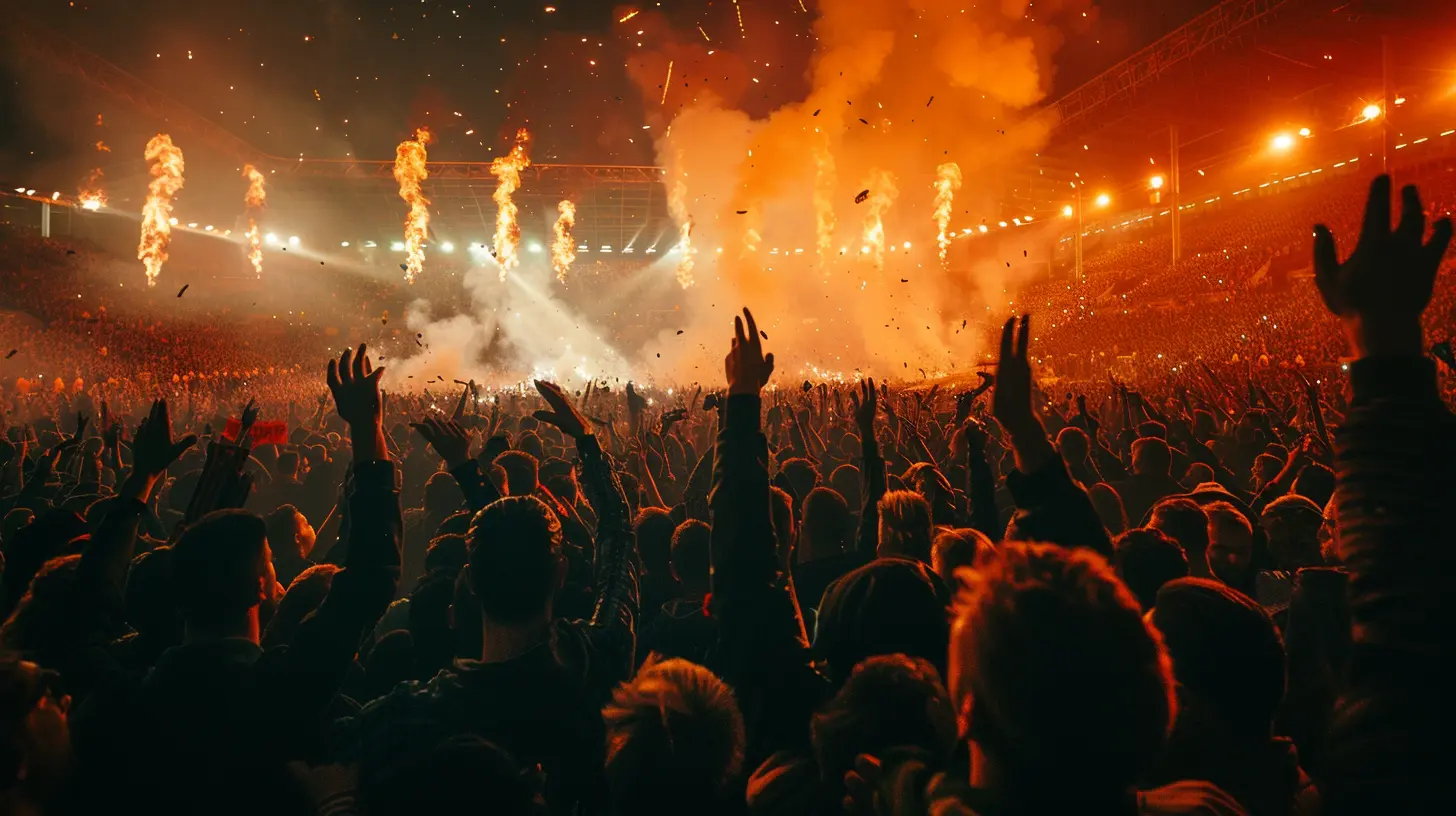
? Matchday Mayhem: Threat to Ticket Sales
Want to bring your kid to a match? Not if you’re dodging smoke bombs in the parking lot.Families and Casual Fans Back Off
Hooliganism doesn’t just scare off people—it creates an unwelcoming, unsafe atmosphere. That Sunday afternoon game that should’ve been a fun family outing? Suddenly it's a warzone.Clubs lose out on potential ticket buyers, merchandise sales, and food & beverage revenue. Casual fans are the gateway to growing a lifelong follower—but hooliganism slams that door shut fast.
? Brand Reputation Takes a Hit
Now let’s talk image. Because football clubs don’t just sell goals—they sell a brand.Clubs Become Synonymous with Violence
Once a club gets branded as the “troublemakers,” it’s a tough label to shake. Headlines will remember the riots more than the results. This affects:- Attracting Talent: Who wants to sign for a club with a toxic fan culture?
- Global Expansion: Clubs looking to grow their fanbase in, say, Asia or the U.S. suddenly look less appealing.
- Digital Revenue: Social media engagement and e-commerce take a nosedive when all anyone sees in the comments section is fans punching each other.
It’s like trying to sell a luxury car with broken windows. Good luck with that.
? Impact on the Wider Economy
Clubs don’t operate in a vacuum. Hooliganism doesn’t just hurt the team—it hurts the whole neighborhood.Local Businesses Lose Out
Matchday brings money into towns—pubs, cafes, shops, parking garages, and more. But when fans turn downtown into a battlefield, businesses suffer. They close early, staff stay home, and damages take weeks to fix.Tourism Takes a Dip
Why would someone travel across the world to watch a game when the experience feels like stepping into a war zone? Tourism boards hate hooliganism. It affects hotel bookings, local tours, and even reputation on a national scale—especially during international tournaments.? The Cost of Legal Proceedings
Let’s not forget the legal side of things. Arrests mean court dates, investigations, and administrative chaos.Clubs Held Legally Accountable
In some cases—especially when there’s proof of negligence—clubs are held responsible for not adequately controlling their fans. Think lawsuits, court fees, and massive PR damage.Time spent fighting legal fires = time not spent on performance, strategy, and growth. It’s a lose-lose situation.
? Future-Proofing: What Can Clubs Do?
Here’s where it gets real. Clubs can fight back. And no, it doesn’t involve riot gear or moats around the stadium.1. Tech-Enabled Surveillance and ID Systems
Facial recognition? Fan ID cards? These aren’t just futuristic features—they’re essential for tracking troublemakers and banning repeat offenders.2. Community Engagement Initiatives
Clubs that invest in local youth, charities, and outreach programs build stronger ties with their communities. When fans see their club as a positive force, they're way less likely to wreck it.3. Stricter Club Policies
Lifetime bans. Zero tolerance codes. Public naming and shaming of hooligans. Hit ‘em where it hurts—in their access. Set a precedent and stick to it.? Bottom Line: It’s Not Just a Game
Hooliganism isn’t just bad behavior—it’s a financial cancer. It drains resources, scares off investment, and turns the business of football into a house of cards. At a time when clubs are looking to grow, innovate, and go global, the last thing they need is to be held back by a bunch of brawling fans with beer in one hand and a grudge in the other.Football is emotion. Passion. Culture. But there’s a line—and when fans cross it, clubs pay the price. Literally.
So next time you hear about “just a bit of fan trouble,” remember: behind every thrown bottle is a CEO crying into a spreadsheet—and a community losing faith in the game they love.
all images in this post were generated using AI tools
Category:
HooliganismAuthor:

Fernando Franklin
Discussion
rate this article
1 comments
Darby McCoy
Hooliganism: costing clubs more than just fans.
June 27, 2026 at 2:43 AM
Fernando Franklin
Absolutely, hooliganism extends beyond fan loss; it affects revenue, insurance costs, and club reputation, creating a cycle of financial strain that can be difficult to break.