The Impact of Nutrition on Recovery After Sports Injuries
8 December 2025
Let’s get one thing straight: getting injured in sports is like tripping over your own shoelaces during a victory sprint—it’s not fun, it’s not glamorous, and it usually comes with a side of bandages, ice packs, and pain meds. Whether you're a weekend warrior, gym junkie, or a pro athlete, injuries are part of the game. But here's the kicker—what you eat could be the secret weapon to bouncing back faster, stronger, and maybe even with a superhero glow (okay, maybe not the glow part).
So, if you’re currently riding the recovery rollercoaster or just want to prep for when your luck runs out, buckle up. We’re diving deep into the delicious world of nutrition and its role in healing after sports injuries. Spoiler alert: It’s not just about guzzling protein shakes and kale smoothies.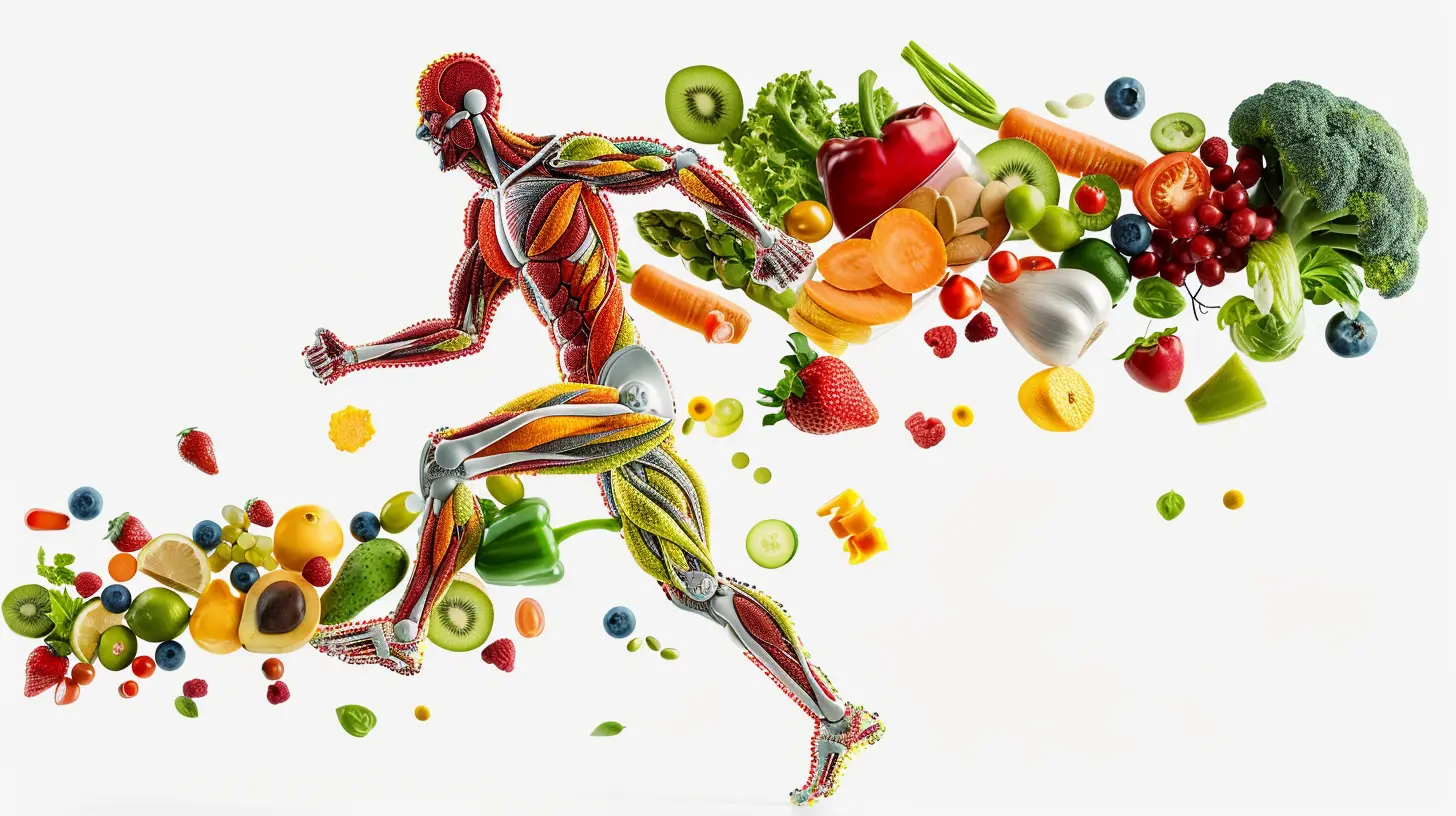
Why Nutrition Matters When You’re Down (But Not Out)
Think of your body like a high-performance car. When it crashes (read: injury), you don't just slap on duct tape and hope for the best. Nope, you need high-quality fuel, some skilled mechanics (hey, physiotherapists), and maybe even a few new parts. That's where nutrition comes in—it's the premium-grade fuel that keeps your engine purring during repairs.You wouldn’t pour soda into a Ferrari, right? (If you would, please don’t own a Ferrari.)
The Healing Hustle: How Your Body Recovers
Before we get to the good stuff (aka food), let’s talk about what actually happens when you’re injured. Your body goes through several stages:1. Inflammation Phase – The “oh-no-what-just-happened” phase. Swelling, redness, pain – your body’s in panic mode, trying to control damage.
2. Repair Phase – The construction zone. Your body is rebuilding tissues, laying down collagen like it's trying to knit a sweater.
3. Remodeling Phase – The fine-tuning stage. Tissue gets stronger, more organized, and functional again.
Guess what? Each of these phases requires different nutrients to do their thing. So let’s break it down.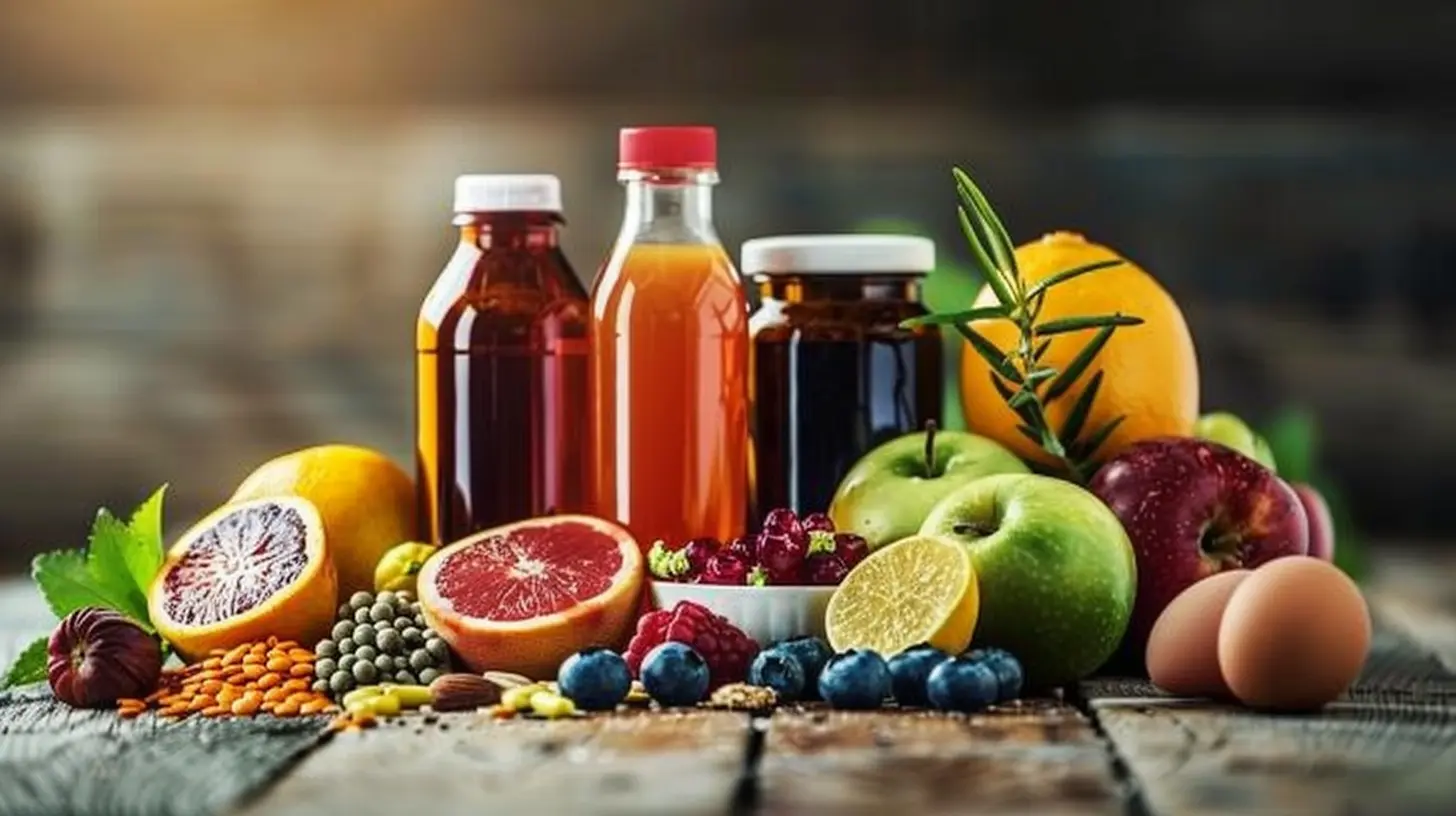
Protein: MVP of the Recovery Game
Protein isn’t just for people who spend more time at the gym than at work. It’s essential for repairing torn tissues, building new muscle, and basically gluing your body back together—kind of like duct tape, but edible.Best Protein Picks for Healing:
- Lean meats like chicken and turkey (classic gains fuel)- Fish, especially fatty ones like salmon for extra omega-3s
- Eggs, because they’re nature’s protein-packed gift
- Plant-based options like lentils, beans, tofu, and tempeh
And remember, you don’t need to aim for superhero bicep growth here—you just want enough to support tissue repair without turning into The Hulk (unless that’s your thing).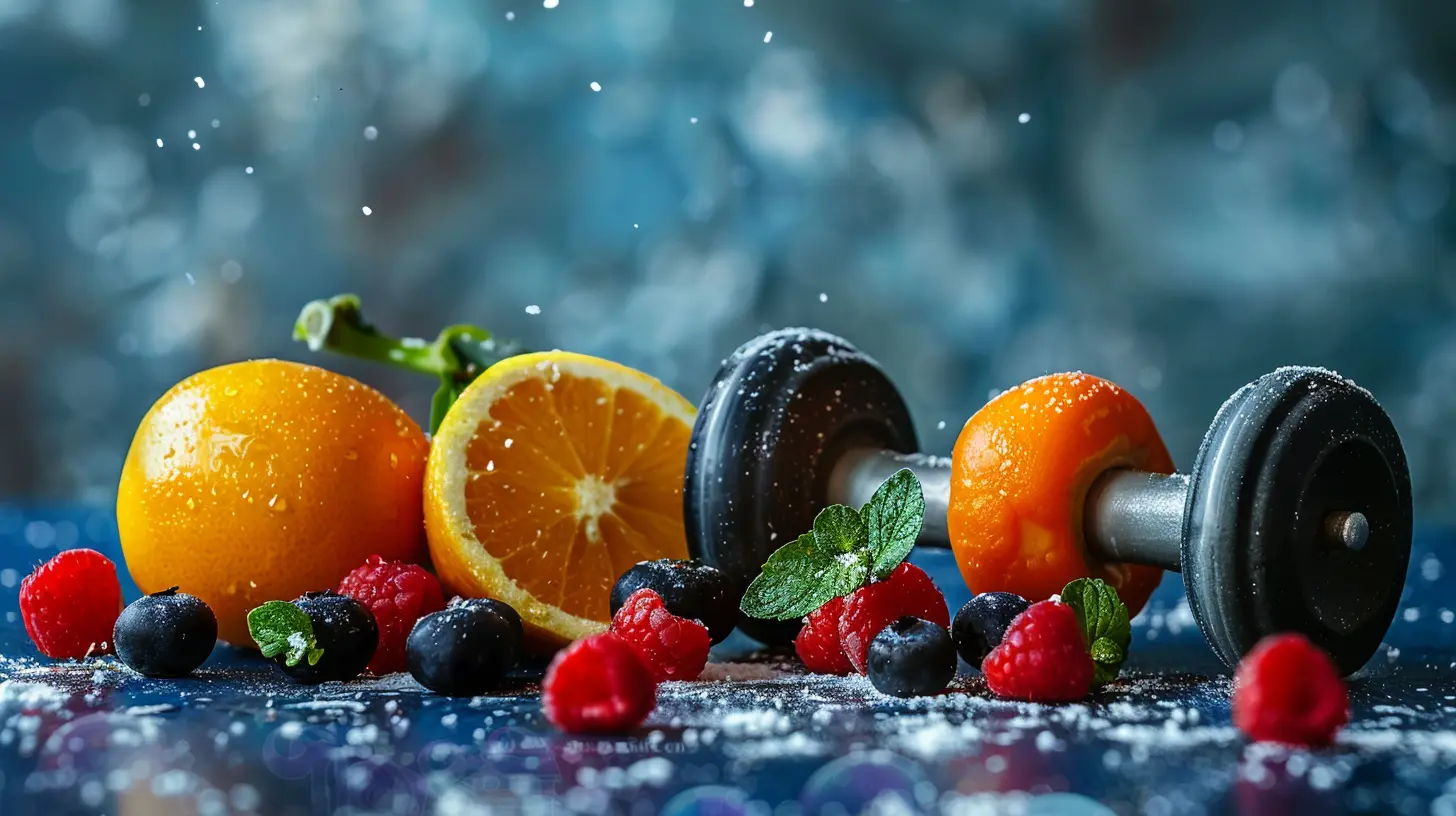
Omega-3 Fatty Acids: The Anti-Inflammatory Avengers
Inflammation: great for healing, bad when it overstays its welcome like that one friend who never leaves your house party. Omega-3s are like security guards gently escorting inflammation to the door.Where to get your Omega-3 fix:
- Fatty fish (salmon, mackerel, sardines – basically, the ocean’s health squad)- Chia seeds and flaxseeds (tiny, mighty, and Instagram-worthy)
- Walnuts (nuts about healing, literally)
Pro tip: Omega-3s not only help reduce inflammation, but they might also ease pain and stiffness. It’s like a natural built-in ibuprofen, but tastier.
Carbs: Yes, You Can Keep Eating Your Pasta
Carbs unfairly get a bad rap, like the misunderstood villain in every superhero movie. But during injury recovery? They’re actually the sidekick your body needs.You see, when your body’s in repair mode, your metabolism can actually rev up. That means you need energy. And carbs? They’re your go-to lightning bolt of fuel.
Go for:
- Whole grains: brown rice, quinoa, oats (ditch the white bread—your body deserves better!)- Fruit: berries, bananas, apples (they’re nature’s candy with benefits)
- Veggies: sweet potatoes, carrots, beets—color equals power here
Just don’t think this is a free pass to inhale donuts and call it "carb-loading." Sorry, folks.
Vitamins and Minerals: The Unsung Heroes
They might not get the spotlight like protein and carbs, but these little guys do the heavy lifting behind the scenes.Vitamin C – The Collagen Booster
You want strong connective tissues, not spaghetti-like ligaments. Vitamin C helps produce collagen, the stuff that strengthens your healing tissues.🧡 Get it from: oranges, strawberries, bell peppers, kiwi
Vitamin A – The Cell Growth Champ
Regenerating tissue? Vitamin A is basically the foreman on that construction site.🧡 Get it from: carrots, sweet potatoes, spinach
Zinc – The Wound Healer
Zinc helps with tissue repair and immune function. Think of it as the body’s handyman.💪 Find it in: red meat, legumes, seeds
Calcium and Vitamin D – The Bone Duo
If your injury involves a break or fracture, these two are non-negotiable. Calcium rebuilds bones; vitamin D helps absorb the calcium.🦴 Find calcium in dairy, leafy greens | Get vitamin D from sunlight or fatty fish
Tip: Just stepping outside daily can boost your D levels (and your mood!).
Hydration: The Silent Support Crew
Water doesn’t usually make headlines, but dehydration can slow down healing faster than a turtle in molasses. You need fluids to transport nutrients, flush toxins, and keep joints lubricated (squeaky knees, anyone?).Aim for:
- At least 8–10 cups a day, more if you’re sweating or taking certain meds
- Electrolyte-rich drinks (coconut water, low-cal sports drinks) if you're losing a lot of fluids
Bonus: staying hydrated can help reduce muscle cramps and joint stiffness. Yes, even your grandma was right about drinking more water.
The Dark Side: What to Avoid During Recovery
Let’s not sugarcoat it (pun intended)—there are some things that simply don’t help when you’re healing. In fact, they can stall recovery like a Netflix binge on your motivation.Processed Sugary Snacks
Sugar fuels inflammation. It’s like throwing gasoline on a fire—tasty, but terrible.Alcohol
Not only does booze dehydrate you, but it can also impair protein synthesis and slow healing. Save the champagne for when you’re back on the field.Ultra-Processed Junk
Think chips, canned junk, fast food. These are nutrient deserts offering no useful aid in repairing your body. Your cells will just roll their eyes at you.Supplements: Yay or Nay?
Supplements can be helpful—IF (and that’s a big if) you’re not getting enough from food. Don’t pop pills like candy without talking to a doc or a dietitian.Some popular recovery-friendly supplements:
- Collagen peptides (can help with ligament and tendon repair)
- Turmeric/curcumin (natural anti-inflammatory—but needs black pepper to be absorbed)
- Magnesium (great for muscle relaxation and sleep)
But remember: Food first. Pills last. Nature knows best.
A Sample Injury-Recovery Meal Plan (Because Why Not?)
Let’s put this into action. Here’s a sample meal plan to kick-start your comeback tour.🥣 Breakfast:
- Omelet with spinach, tomato, and cheese- Whole-grain toast
- Orange slices
- Green tea or water
🥗 Lunch:
- Grilled salmon or tofu- Quinoa salad with chickpeas, veggies, and olive oil dressing
- Mixed berries
🥜 Snack:
- Handful of walnuts- Greek yogurt with a drizzle of honey
🍛 Dinner:
- Lean chicken breast or lentil curry- Sweet potato mash
- Steamed broccoli and carrots
🌙 Before Bed:
- Warm turmeric milk or protein shakeNot only will this help you recover, but it's Instagram-worthy too. #HealingWithStyle
Final Thoughts: Healing is Hard... But Tasty
Recovering from a sports injury is like putting together IKEA furniture—confusing, frustrating, and slightly painful. But with the right tools (read: nutrients), you'll get back on track faster than you can say “Where’s the Allen wrench?”So, embrace the calories, love your leafy greens, and remember: healing is not just about rest—it's about refueling the right way. Next time you're icing your knee and binge-watching reruns, make sure you’ve got a plate full of recovery power in your hands.
Now go forth, eat wisely, and heal like the legend you are!
all images in this post were generated using AI tools
Category:
Sports MedicineAuthor:

Fernando Franklin
Discussion
rate this article
2 comments
Lucas Diaz
Nutrition isn’t just a side dish; it’s the main course in recovery! If you think a protein shake and a bag of chips will cut it, you’re in for a rude awakening! Time to level up!
December 21, 2025 at 5:58 AM
Fernando Franklin
Absolutely! Nutrition plays a crucial role in recovery. It’s essential to prioritize a balanced diet over quick fixes for optimal healing and performance.
Brooks McTiernan
Great article! Nutrition plays a crucial role in recovery from sports injuries. It’s essential for athletes to prioritize a balanced diet rich in vitamins and protein to enhance healing and performance.
December 11, 2025 at 3:59 AM
Fernando Franklin
Thank you for your feedback! I completely agree—nutrition is vital for optimal recovery and performance in athletes.