The Influence of National Team Success on Youth Participation
13 March 2026
Have you ever found yourself glued to the television, watching your national team in a nail-biting World Cup final or Olympic showdown? You probably shouted, cried, or even celebrated like you'd scored the goal yourself. That electric feeling you get—guess what? Kids feel it too, and it often sparks something powerful. When a national team succeeds on the world stage, it doesn't just win medals or lift trophies—it wins hearts, inspires dreams, and, more often than not, drives youth straight to the local sports fields.
Let's dig into how national sports glory directly impacts youth participation and why it's more than just a passing trend.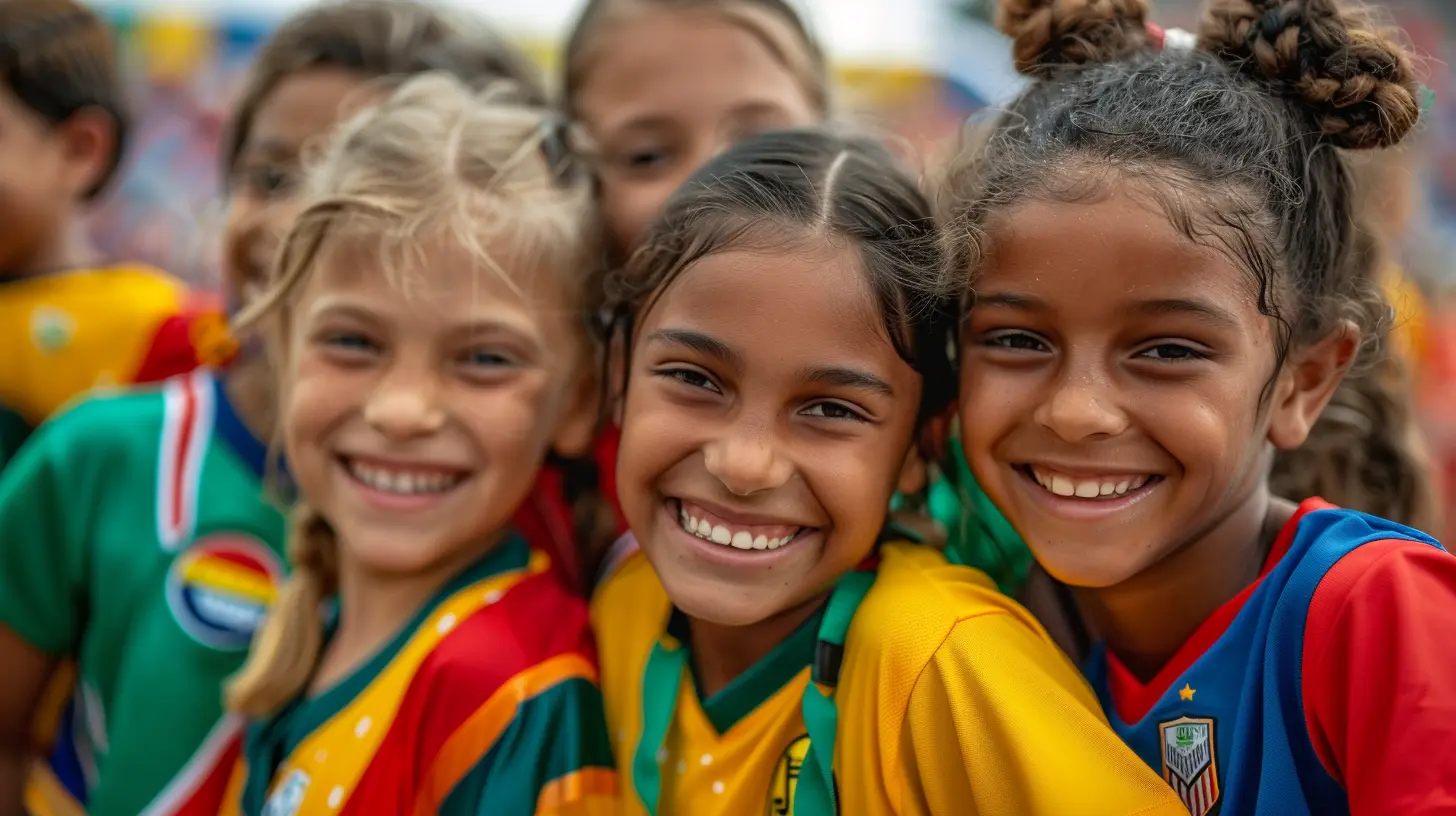
The Ripple Effect of Victory
There's something almost magical about a country uniting behind its team. When those athletes do well, it’s not just a win on the scoreboard; it’s a win in the minds of millions of young people watching, feeling, and imagining that it could be them next time.When Spain won the FIFA World Cup in 2010, football academies across the country saw a significant boost in enrollment. Similarly, after the U.S. women’s national soccer team won the 2019 World Cup, there was a clear spike in youth soccer participation—especially among girls.
So, what actually causes this surge?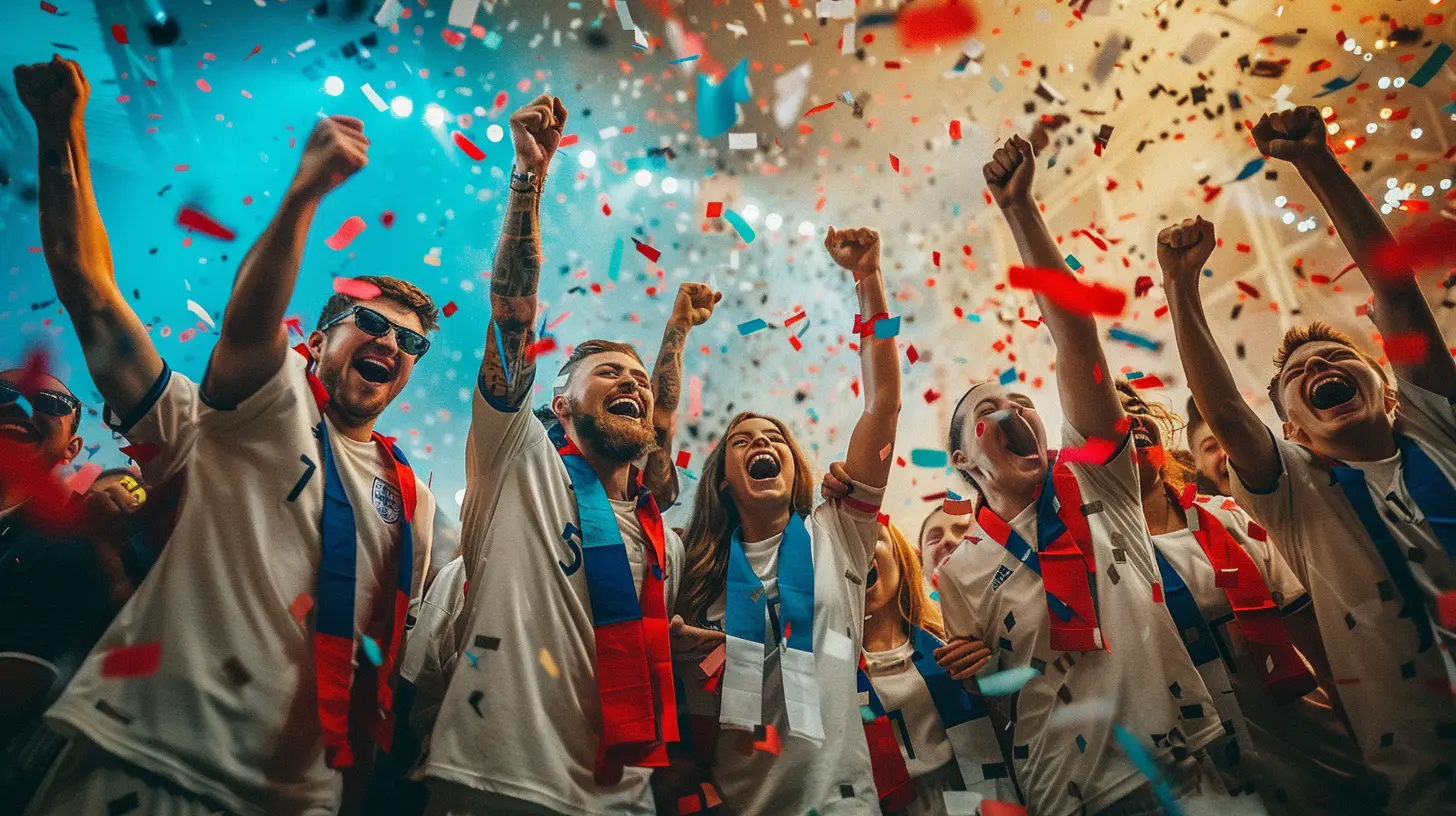
Inspiration Is Contagious
Let’s be honest. Kids imitate what they admire. When they see players like Lionel Messi or Megan Rapinoe on the big stage, they don’t just see athletes—they see superheroes. And unlike comic book heroes, these ones are real. They wear their country's colors and represent something bigger than themselves. That’s powerful.Remember the phrase, “If you can see it, you can be it”? That’s exactly how influence works when national teams succeed.
Think about how many young Novak Djokovics were born in Serbia after his tennis success or how many future runners felt the need for speed after watching Usain Bolt light up the track.
National Pride Fuels Local Passion
Success on the national level stirs up a sense of pride that spills into communities. Flags wave, anthems blast, and suddenly everyone’s talking sports—even those who normally wouldn’t care. This morale boost creates a socially friendly environment for sports.Parents want their kids to experience the joy of the sport. Schools start emphasizing physical education a bit more. Local clubs see an opportunity to nurture the next wave of talent. It turns into a nationwide movement.
And youth? They get swept up in that wave.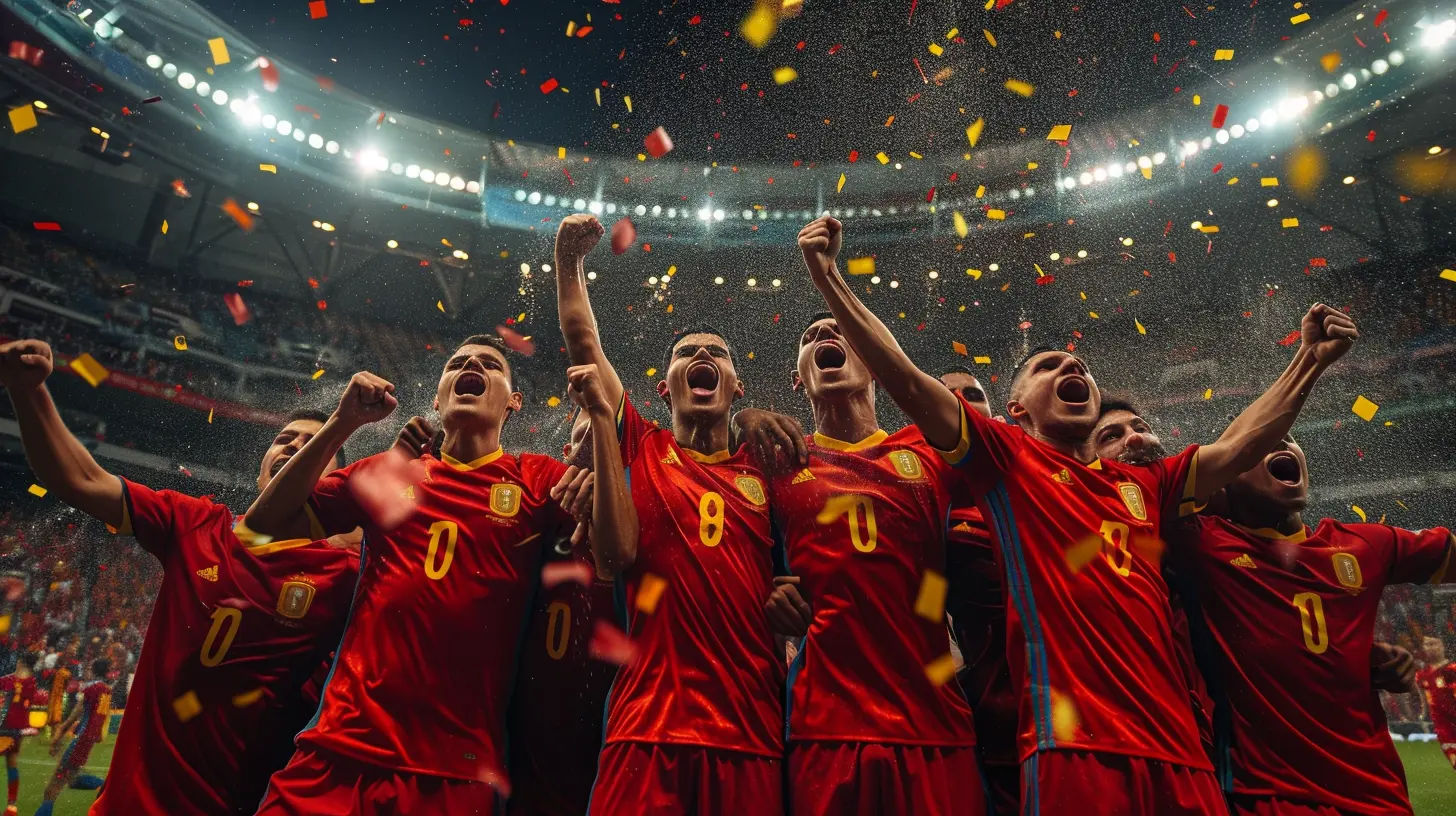
Social Media: The Modern Campfire
In the past, you had to catch the game on TV or read about it in the paper. Today? One goal, one incredible dive, or one emotional anthem moment goes viral in seconds. Social media spreads the drama and passion like wildfire, making it almost impossible for kids not to get sucked in.A kid watching TikToks of flashy soccer tricks or YouTube highlights of a World Cup final is way more likely to ask, “Hey Mom, can I join a team?”
Social media is the new campfire, where the stories of sports heroes are told and retold.
Bridging the Gap Between Dream and Reality
When national teams win, governments and federations often invest more in sport. Better facilities, more training programs, and increased accessibility make joining a sports team easier than ever. That dream suddenly feels within reach.Take the example of Japan's rugby team, which stunned the world in the 2015 Rugby World Cup. That "miracle run" sparked a 30% increase in youth rugby sign-ups. Just like that, more resources flowed into the sport, making it more mainstream—and more reachable—for kids across Japan.
Role Models Matter More Than We Think
Success puts athletes in the spotlight, and let me tell you—kids are watching closely. When an athlete thanks their coach, talks about hard work, or shows humility in victory, it teaches young viewers something valuable.What’s more, kids are more likely to stick with sports when they have someone to look up to. Posters, highlight reels, even just wearing the same jersey number—it’s all part of the emotional bond that motivates young athletes to keep going.
The Flip Side: What Happens When National Teams Fail?
Let’s not pretend it's all sunshine. National disappointment can also impact youth participation—sometimes slowing the momentum or stalling growth.Take Italy missing the 2018 FIFA World Cup. Youth soccer took a slight dip, and the media buzz around the sport cooled. But here’s the thing: passionate fans don’t abandon ship. And often, disappointment plants the seed of a comeback story—one that young athletes want to be part of.
Gender Gaps Are Shrinking
One of the underrated benefits of national team success—especially by women’s teams—is breaking down barriers. When girls see female athletes shining on global stages, it challenges outdated stereotypes.After the U.S. Women’s National Team won the 2015 and 2019 World Cups, there was a clear spike not just in participation but in overall interest in women’s sports. More girls started joining teams. More schools and communities began investing in girls’ sports programs. That’s a game-changer.
Economic Factors—More Than Just Hype
Okay, let’s talk money. Successful national teams attract sponsors. Sponsors mean funding. And funding means better equipment, trained coaches, and more opportunities at the grassroots level.Think about it this way: a country that wins big suddenly has a spotlight on its sports scene. Businesses want in. That trickle-down effect helps create environments where kids can genuinely fall in love with the game—and stick with it.
Communities Take the Cue
Community leaders and local clubs often mirror what they see on the national stage. When their heroes win, they find renewed purpose in nurturing local talent.They might host “try-it” sessions, tournaments, or open houses just to engage more kids. Some clubs even name themselves after national heroes or host watch parties to build stronger connections.
It becomes more than sport; it becomes culture.
Long-Term Impact: Building a Sports Legacy
The real magic happens when success leads to systems.Short-term participation spikes are great. But what truly transforms a country is when success triggers structural changes. Think long-term training academies, government-backed youth programs, and consistent coaching development.
Look at France post-1998 World Cup. They didn’t just rest on that glory—they built one of the world’s most renowned youth academies. And guess what? It paid off in 2018.
It’s about planting seeds today that will grow tomorrow's champions.
Real Stories. Real People.
Let me tell you about Sam, a 10-year-old kid from England. After watching the national team reach the 2021 Euro Finals, Sam begged his parents to enroll him in a local football academy. Fast-forward two years, and not only is he still playing, but he also now dreams of playing for England one day.Or take Aisha, a 12-year-old from Nigeria who saw her country's women's national team make headlines during the Women's World Cup. That moment changed everything for her. Her school started a girls-only soccer team. She joined. Now she’s the captain.
These stories are everywhere—fueling the future, one young dreamer at a time.
What Can We Do to Support This Youth Movement?
You don’t have to be a millionaire or a pro athlete to make a difference. Here’s what we can all do:- Encourage your kids when they show interest in sports.
- Support local youth sports programs.
- Volunteer as a coach or mentor.
- Advocate for better facilities and equal opportunities.
- Celebrate every small win, because every champion once started with a first try.
Wrapping It Up: National Glory Equals Local Growth
So, next time you’re cheering for your national team, remember you’re not just supporting the players on the field. You’re part of a much bigger story—one where a single goal or finish line moment can light the spark in the heart of a child watching from thousands of miles away.National team success isn’t just a victory for elite athletes—it’s an investment in the next generation. It fuels dreams, builds communities, and shapes the future of sports.
And who knows? Maybe the next superstar is sitting in their living room right now, eyes wide open, dreaming bigger because of what they just saw.
all images in this post were generated using AI tools
Category:
National TeamsAuthor:

Fernando Franklin
Discussion
rate this article
2 comments
Maribel Morales
What an inspiring read! National team success truly ignites passion in young athletes, encouraging their dreams and dedication to sports. Let's celebrate!
April 20, 2026 at 2:32 AM
Fernando Franklin
Thank you! I'm glad you found it inspiring. National team success really does spark that passion in young athletes. Let's keep celebrating their journeys!
Lucy McNeely
This article raises intriguing questions about how national team achievements can inspire young athletes. It’s fascinating to consider the ripple effect of success on grassroots participation—could a championship victory ignite a passion for the sport in an entire generation?
March 15, 2026 at 4:18 AM
Fernando Franklin
Thank you! I appreciate your insights. It's inspiring to think about how national team achievements can indeed spark interest and participation in sports among youth, creating a lasting impact on future generations.