The Legal Consequences of Hooliganism: What You Need to Know
9 March 2026
Let’s talk about something that isn’t often glamorized or spoken about openly — hooliganism. Sure, football (or soccer, depending on where you're from) brings out passion, excitement, and fierce loyalty. But sometimes, those emotions boil over and cross the line into violence, destruction, and chaos. That’s where hooliganism comes into play.
Now, we’ve all seen the headlines: “Football Fans Clash Outside Stadium,” “Riot Breaks Out Post-Match,” or “50 Arrested After Match-Day Violence.” But what happens next? What are the actual legal consequences of hooliganism? Spoiler alert — they’re no joke.
In this article, we’re going to break it all down in plain English. No legalese, no sugar-coating, just the real deal. Whether you're a die-hard football fanatic, a casual viewer, or someone just curious about what happens when fan behavior turns criminal, this is for you.
What Exactly Is Hooliganism?
Let’s get this straight before diving into laws and punishments. Hooliganism isn’t just someone shouting profanities or getting overly enthusiastic during a match. It goes way beyond that.Hooliganism refers to violent, aggressive, or unruly behavior by spectators or supporters of a sport — typically football. Think group fights, vandalism, racism, throwing flares, or even invading the pitch. It’s usually group behavior, but even a single person can get into serious trouble for this kind of stuff.
It’s not just about “being a bad fan.” It’s about breaking the law — often in a big way.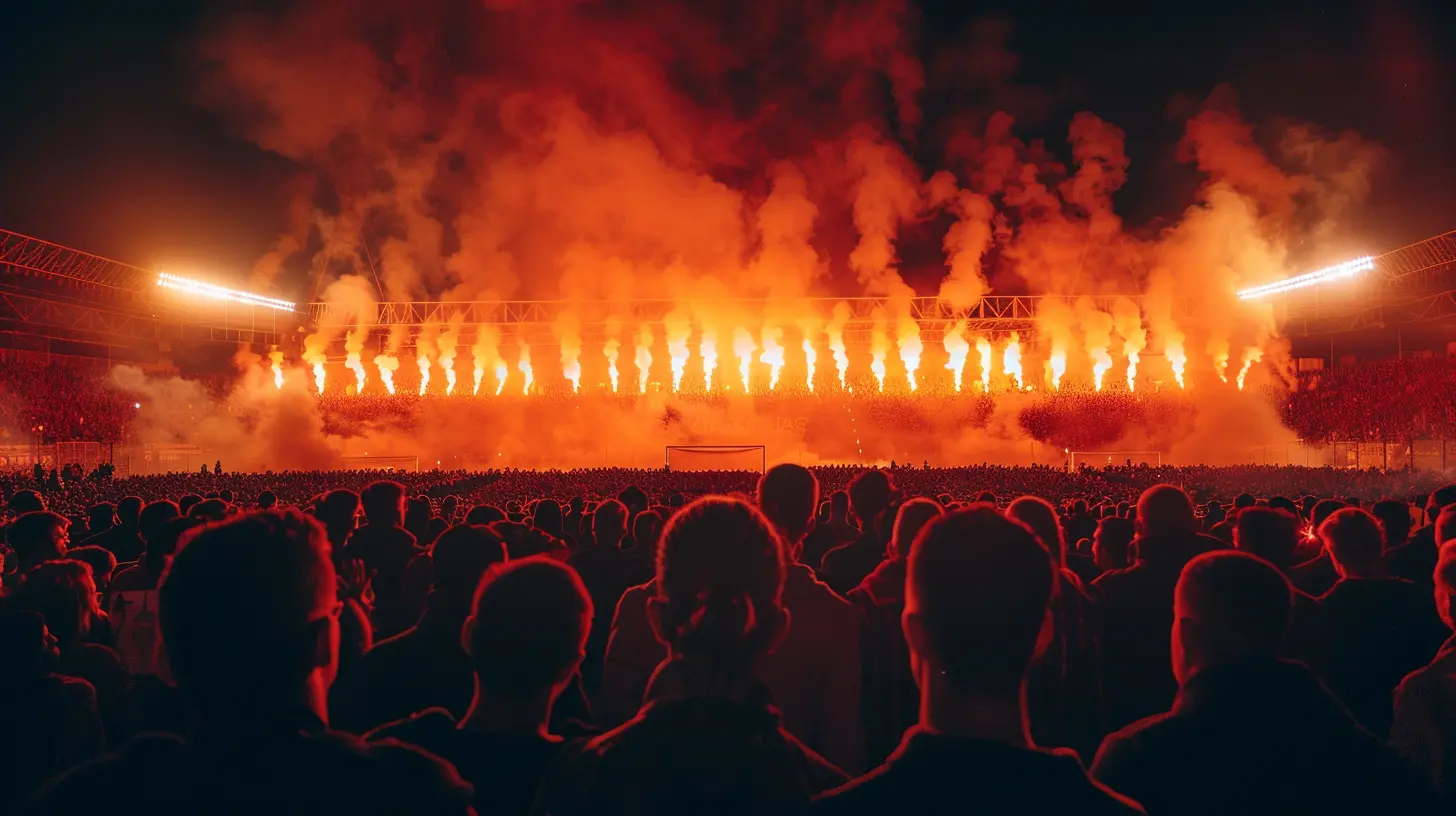
Where Did Hooliganism Start?
Historically, hooliganism has its roots in football-loving countries like England, where groups of die-hard fans (known as “firms”) would essentially organize to fight rival groups during or after matches. In the ’70s, ’80s, and early ’90s, British football was almost synonymous with hooligan culture.Governments and football federations cracked down hard after multiple tragedies (like the Heysel Stadium disaster in 1985), and other countries followed suit. But the problem hasn’t vanished entirely — it's just evolved.
Social media, organized groups, and even political ideologies sometimes fuel modern hooliganism. And while stadium security is tighter and punishments are stricter, incidents still happen — both globally and locally.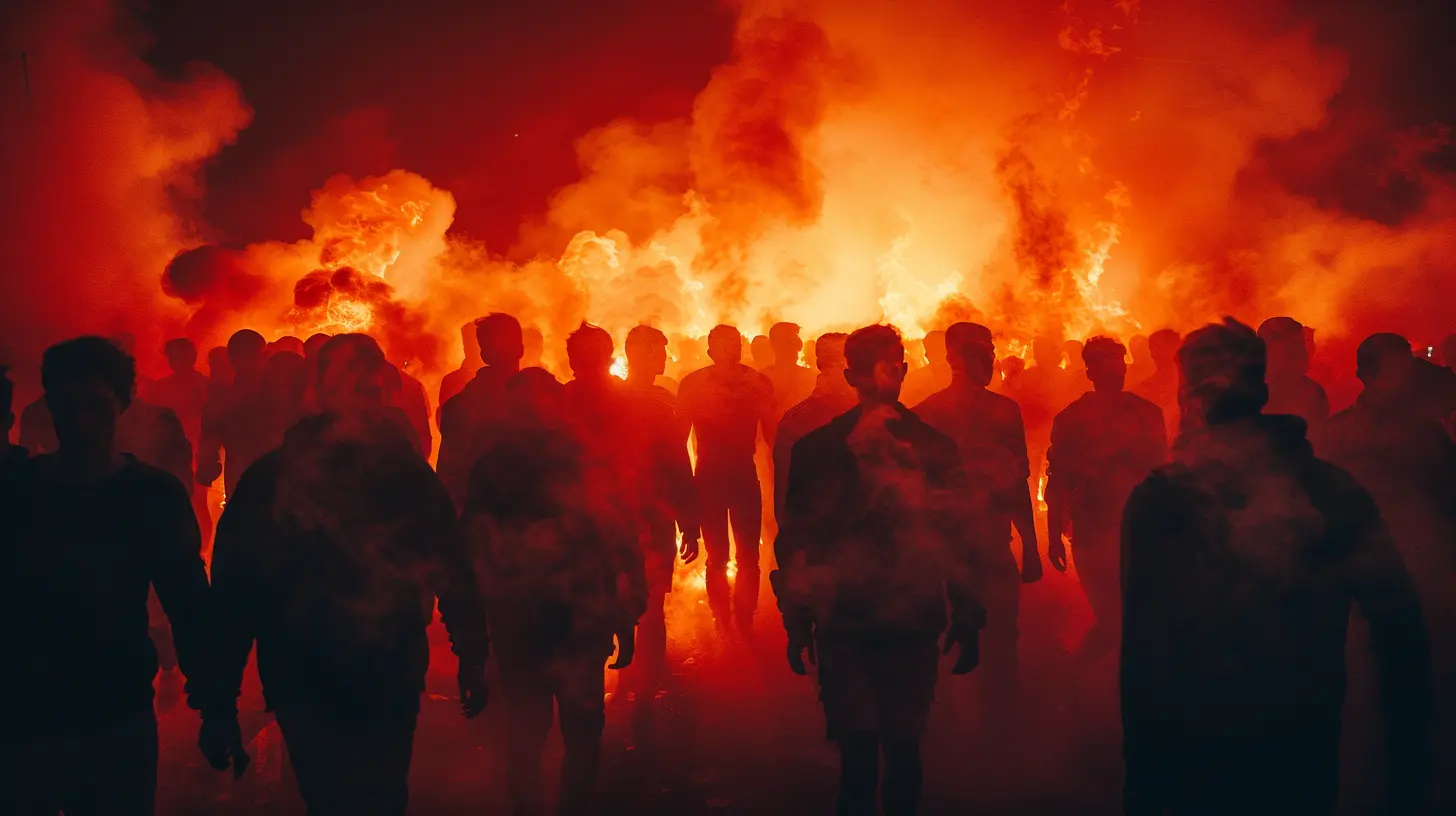
The Legal Repercussions: What Can You Actually Be Charged With?
So, let’s say someone gets caught up in hooligan behavior. What happens next? Depending on the intensity and location of the incident, the consequences can seriously mess up someone’s life.1. Public Disorder Offenses
This is the big one. In most countries, causing a disturbance in a public place — like a stadium or surrounding areas — can land you in hot water. Charges might include:- Affray (fighting in public)
- Disorderly conduct
- Rioting
- Unlawful assembly
These aren’t just traffic-ticket-level offenses. You’re looking at potential jail time, massive fines, and, in some cases, criminal records that stick for life.
2. Assault and Battery
Throwing punches during a match-day brawl? You could be charged with assault. Even if you didn’t start it, just participating makes you legally liable.And if someone ends up seriously injured? That’s when charges escalate to aggravated assault or even attempted murder — especially if weapons are involved.
3. Vandalism and Property Damage
Breaking seats, smashing car windows, graffiti-ing stadium walls — these are all crimes. You might think a little destruction is part of the “banter,” but the law doesn’t see it that way. You break it, you pay — and you might even go to jail for it.4. Trespassing and Pitch Invasion
Running onto the field looks cool on TV, but it’s a no-go in real life. Pitch invasions are illegal in most countries and often lead to arrests, fines, and bans from stadiums.5. Possession of Illegal Items
Carrying flares, fireworks, or even concealed weapons into a stadium? Boom — that’s another criminal charge. And depending on the country, even just trying to enter with restricted items could lead to arrest.
Country-by-Country Breakdown: Different Laws, Same Message
While the core idea behind hooliganism laws is the same worldwide — keep public order and safety — the specifics vary depending on where you are. Let’s check out a few places.United Kingdom
The UK has some of the toughest anti-hooliganism laws. Ever heard of a Football Banning Order (FBO)? It’s a legal tool that can ban someone from attending football matches for up to 10 years. Violating that order? That’s another criminal offense.After incidents, police can review CCTV footage, use facial recognition, and retroactively arrest suspects. They take this stuff very seriously.
Germany
German law targets organized hooligan groups through surveillance and legal action. If you're found to be part of an organized effort to cause trouble, the charges pile up fast.Also, repeat offenders can be banned from specific cities on match days — literally forbidden from entering certain areas.
Italy
Italian authorities often cancel matches or play them behind closed doors due to hooligan threats. Police can detain fans preemptively if they suspect there's a plan for violence. And stadium bans? They issue them like candy.South America
Places like Argentina and Brazil have seen high-profile hooligan incidents over the years. Governments have created special “sports tribunals” to speed up legal actions, and certain fan groups (known as “barras bravas”) are under constant scrutiny.Stadium Bans: More Than Just a Timeout
Getting banned from a stadium doesn’t just ruin your weekend plans — it can change your entire lifestyle if you’re a devoted fan.Authorities can ban fans from specific venues, events, or even entire regions. Some bans come with mandatory check-ins at police stations during matches — just to make sure you're not even thinking of attending.
And these bans aren’t just handed out to convicted criminals. Police can issue “precautionary” bans if they believe someone poses a threat. Yeah, just being on their radar is enough sometimes.
The Ripple Effect: Life Beyond the Charges
Getting caught up in hooliganism can have consequences that creep into every corner of your life.Criminal Record
Once you have a criminal record, job opportunities get fewer, traveling becomes harder (some countries deny visas), and your personal reputation takes a hit.Social Impact
Let’s be real — nobody wants to be “that guy” who got arrested at a football game. It can ruin friendships, family relationships, and your standing in the fan community.Financial Consequences
Fines, legal fees, and potential civil cases from victims (if you hurt someone or damaged property) can drain your wallet fast.What’s Being Done to Fight Hooliganism?
Good news: people aren't just sitting around letting this happen.- Increased Surveillance: Stadiums are now more like high-tech fortresses with face-recognition cameras and real-time monitoring.
- Fan Education Programs: Some clubs run outreach efforts to help fans understand the consequences and promote responsible behavior.
- Data Sharing Between Countries: UEFA and FIFA encourage international policing efforts to track known troublemakers.
Can You Get Caught After the Fact?
Absolutely. Gone are the days when you could disappear into the crowd. With social media, HD video, and police intelligence, you will get found out — even days or weeks later.Some arrests happen months after incidents, once authorities piece together evidence from different sources. So thinking you “got away with it”? Think again.
What If You Get Wrongly Accused?
It happens. Sometimes people are in the wrong place at the wrong time. If you’re falsely accused:- Seek legal help immediately.
- Don’t say anything to the police without a lawyer.
- Gather any evidence (videos, texts, alibis).
Your rights matter — but you need to assert them correctly.
Final Thoughts: Is It Really Worth It?
Let’s cut to the chase — is throwing a punch, destroying a bench, or charging onto the field really worth losing your freedom, your money, and your future?We get it. Sports stir up emotions. But there’s a line, and once you cross it, there’s no turning back. Think with your head, not just your heart.
Supporting your team doesn’t mean destroying someone else's.
How to Be a Passionate AND Responsible Fan
- Cheer loudly, not violently.- Respect rival fans — friendly rivalry is fun, hate-fueled aggression isn’t.
- Report unsafe behavior — you might just save someone’s life.
- Educate younger fans — let’s not pass down toxic traditions.
Remember, being hardcore doesn’t mean being harmful.
all images in this post were generated using AI tools
Category:
HooliganismAuthor:

Fernando Franklin
Discussion
rate this article
2 comments
Rowan McIlroy
This article effectively outlines the legal ramifications of hooliganism in sports, highlighting the need for stricter regulations while acknowledging the complexities of fan behavior. A crucial read for those invested in the safety of sporting events.
April 4, 2026 at 3:22 AM
Fernando Franklin
Thank you for your insightful comment! I'm glad you found the article informative and meaningful in addressing the complexities of hooliganism in sports.
Paige Thomas
Sure, here's a humorous comment for the blog article: Who knew hooliganism came with a side of legal jargon? I thought it was just yelling at the TV and throwing snacks! Next time I’ll remember, the only thing I should be throwing is the remote, not punches!
March 10, 2026 at 2:00 PM
Fernando Franklin
Thanks for the laugh! It's true—hooliganism is no joke, but a little humor helps lighten the heavy topic. Just remember, keep the snacks flying, not the fists!