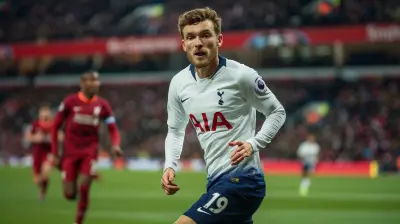
The Role of Midfielders in Controlling the Pace of a Game
31 March 2026
In the world of soccer, every position matters—but let’s be real for a second—the midfield is where the magic happens. You can think of the midfield as the heart of the team. It pumps the rhythm, keeps everything flowing, and decides whether the team’s going to rage forward like a storm or cool down and settle into a slow burn.
If you’ve ever watched a match and thought, “Man, that team just completely controlled the tempo,” chances are their midfielders were pulling the strings. In this article, we’re digging deep into the role of midfielders in controlling the pace of a game. From dictating tempo, linking defense with attack, to being tactical chameleons—midfielders carry a lot on their shoulders.
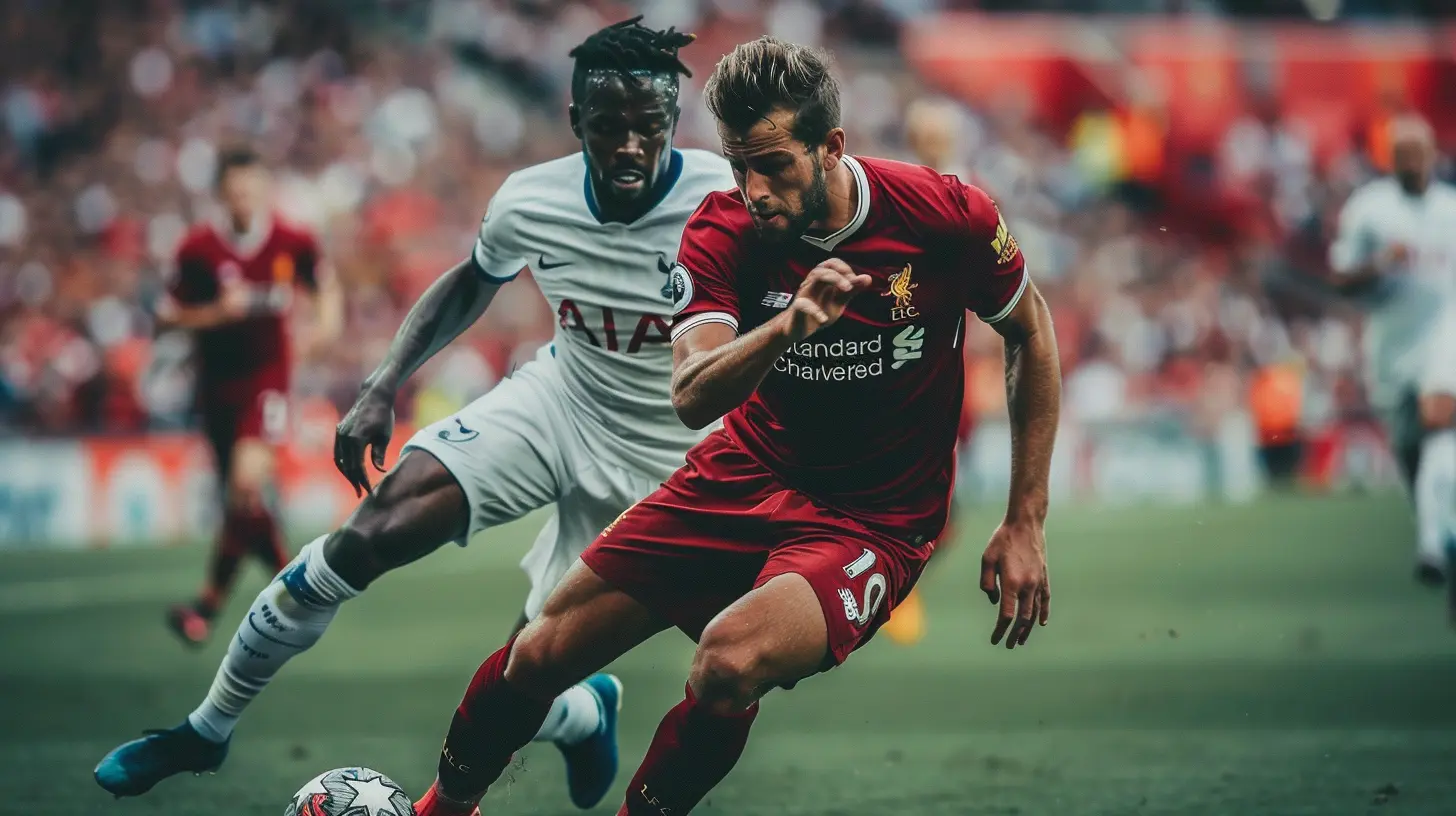
What Exactly Does “Controlling the Pace” Mean?
Before we dive headfirst into tactics and player roles, let’s first break down what it means to “control the pace” of a game. It’s not just about running fast or holding possession—though those things help.Controlling the pace is all about decision-making. It’s about knowing when to push forward at lightning speed to catch the opponents off guard, and when to slow things down, keep the ball, regroup, and breathe. Think of it like a DJ with a crowd in their hands—pumping up the tempo for a drop or easing back to chill the vibe.
Now, who’s spinning those decks on the field? Yep, midfielders.
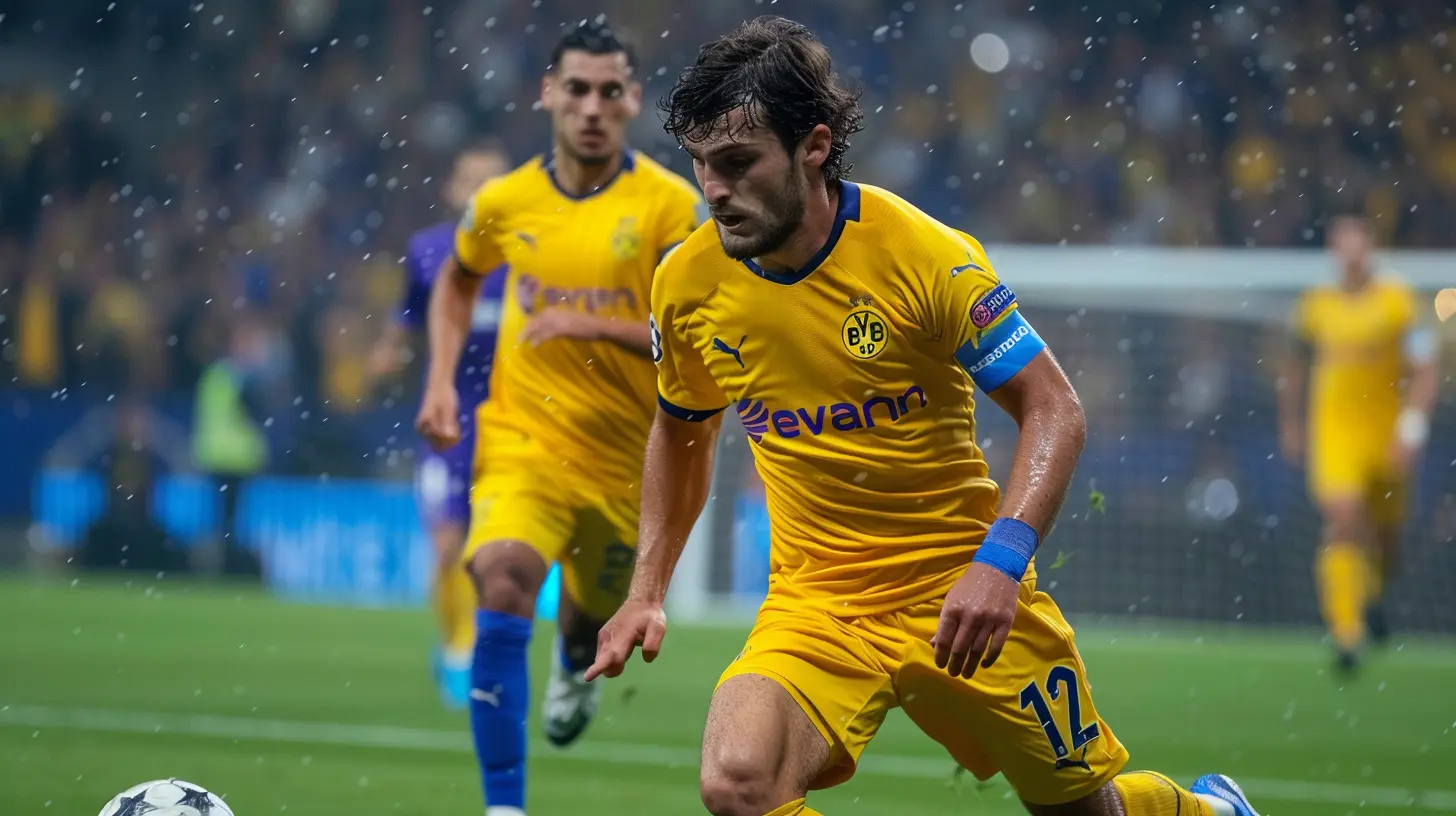
Why Midfielders Are the Game’s Metronomes
Imagine a band without a drummer. Chaos, right? That’s kind of what a team looks like without effective midfield control. The midfielder is the one setting the beat. Here’s how they do it:1. Possession & Passing
At the most basic level, midfielders are the kings and queens of possession. They touch the ball more than anyone else on the pitch. Every time they receive and release the ball, they’re making micro-decisions that add up:- Do they pass it backward to slow things down?
- Do they switch the play to stretch the opponent?
- Or do they thread a through-ball to ignite an attack?
Even just a sideways pass isn’t just a “safe” option—it has intent. It’s about waiting for the right moment to strike.
2. Transition Play
Midfielders are the bridge between defense and attack. One second, they’re tracking back, helping break up a counter; the next, they’re sprinting forward to support the front three.In control of transitions, they decide if the team should go for a lightning-quick counter or kill the opponent with 20+ passes like a snake slowly tightening its grip.
3. Reading the Game
Vision is everything. Great midfielders have the sixth sense that lets them read the game like it’s written in subtitles. They anticipate movement, pressure, and space. You know those players who always seem to be in the right place at the right time? They're not lucky—they’re smart.The best midfielders aren’t always flashy. But they’re always effective. Guys like Sergio Busquets or Luka Modrić rarely rack up highlight reels, but boy, do they control the tempo like seasoned conductors.
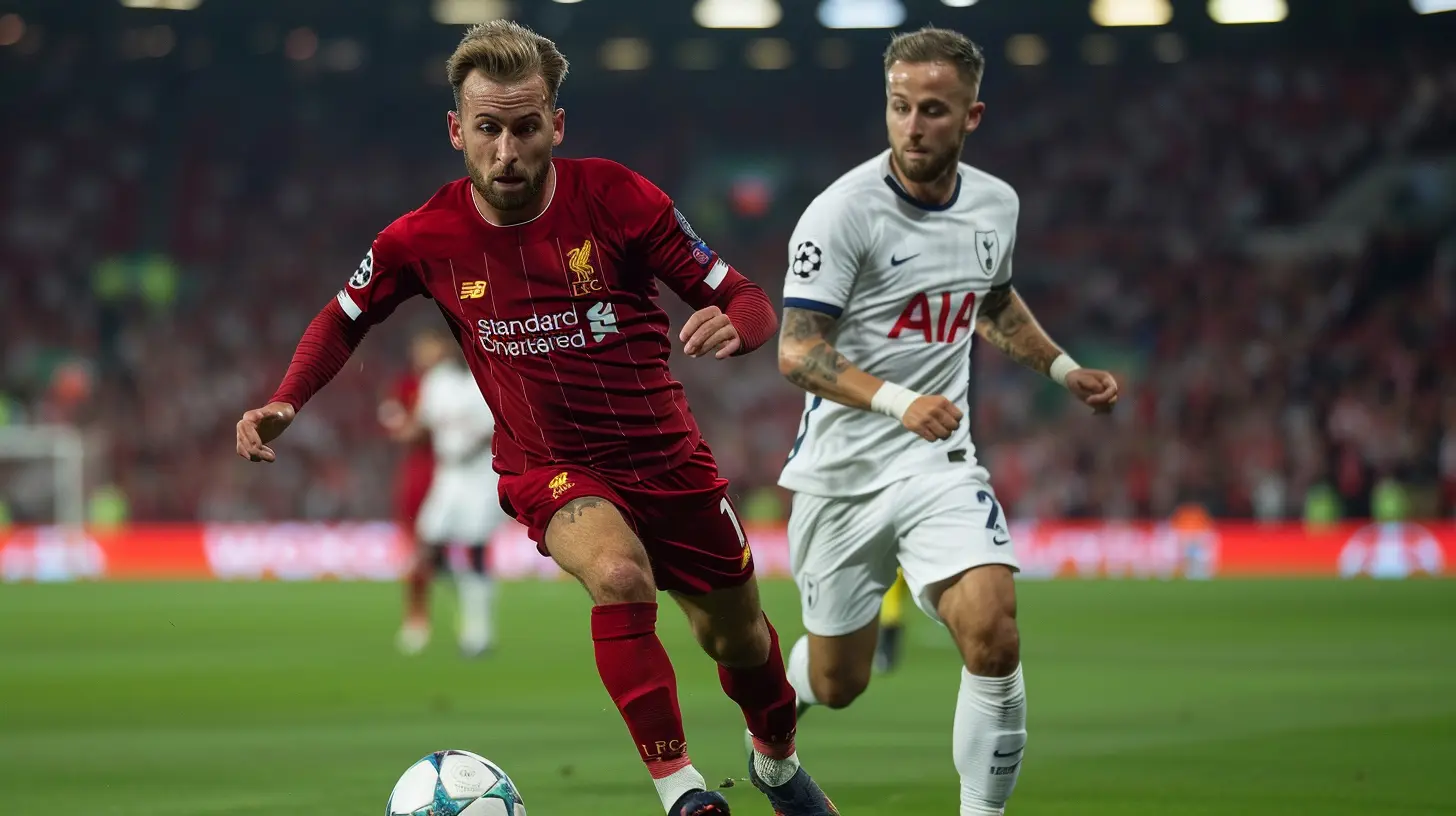
Types of Midfielders and Their Influence on Tempo
Not all midfielders are cut from the same cloth. Each has a specific role, and their tendencies greatly influence how fast or slow the game flows.1. Defensive Midfielders (CDM)
These players—often referred to as the “number 6”—sit just in front of the back line. Think of them as the team’s anchor. They’re the ones who:- Break up opposition play
- Win second balls
- Make short, simple passes to reset play
Their role? Keep the waters calm and the ship steady. If the team’s under pressure, they’ll slow it down. If there’s a gap to exploit, they’ll guide the play forward.
▶️ Notable players: Casemiro, Rodri, N’Golo Kanté
2. Central Midfielders (CM)
These guys are the Swiss army knives of soccer. They pass, tackle, shoot, track back, push forward—you name it. Their balanced style allows them to influence whether the game’s played through the middle or funneled out wide.When they step on the gas, the whole squad follows. When they choose to recycle possession, the pace resets.
▶️ Notable players: Toni Kroos, Jordan Henderson, Marco Verratti
3. Attacking Midfielders (CAM)
These are the artists. Creative, flair-driven, and free-roaming, attacking mids are the ones threading the needle with visionary passes. When they quicken the pace, magic can happen—a killer ball, a cheeky one-two, a wicked shot from distance.But they can also slow it down when needed, drawing defenders in and creating space for the wings or the strikers.
▶️ Notable players: Kevin De Bruyne, Bruno Fernandes, Thomas Müller
4. Box-to-Box Midfielders
These guys don’t stop running. Up and down, end to end—they cover more grass than your local lawnmower. Because of their range and work rate, they can dictate tempo through sheer energy alone. If they’re on it, the team’s on it.▶️ Notable players: Jude Bellingham, Ilkay Gündogan, Weston McKennie
How Tempo Affects Strategy and Game Flow
So, why is tempo even important? Can’t teams just go out and play?Not if they want to win consistently. The tempo sets the tone of the match. A fast pace upsets defenders, forces errors, and opens up space. A slower pace allows for control, composure, and dictation of structure.
Midfielders decide:
- When to play a high press or sit deep
- When to kill momentum with fouls or restarts
- When to rev up the engine or park the bus for a bit
It’s all tactical. Smart midfielders know when to speed things up for a counter or slow them down to frustrate the opponent and quiet the crowd. It’s not just about stamina; it’s about smarts.
Game Situations and How Midfielders Adjust Pace
Let’s look at some real-world scenarios. This makes it easier to understand just how crucial midfield tempo control is.⚽ Scenario 1: Leading 1-0 with 20 Minutes to Go
Midfielders start making safer passes. Possession becomes king. CDMs drop deeper. The CAM might hold the ball instead of playing a risky through-pass. It’s all about control and game management.⚽ Scenario 2: Chasing a Goal Late in the Match
Suddenly, the midfield needs to shift gears. Quick one-twos, riskier passing, overlaps from the wings, and long balls become more frequent. The pace picks up. Box-to-box mids push forward, leaving gaps but ramping up pressure.⚽ Scenario 3: Facing a High Press
Here, calm heads win the day. A composed midfielder will invite pressure only to drop the ball back and switch play. It’s like baiting your opponent to dive in, then ghosting past them.⚽ Scenario 4: Playing Against a Low Block
A low-block defense is tough. You need a midfielder with creativity and patience. The tempo is deliberately slowed until a pocket of space opens. Then—boom—a threaded pass or a long-range shot can break the deadlock.
Intelligence Over Instinct: The Mental Side of Tempo Control
Let’s not ignore the mental side of things. Midfielders need sharp football IQs. They’re not just running around—nope—they’re surveying, predicting, calculating.You’ll hear commentators say things like “He’s got eyes in the back of his head.” That’s football brainpower. And it’s crucial for pace control. Midfielders with high tactical awareness dictate how and where the ball goes, and in doing so, they pull the strings of the entire game.
Tempo Control and Modern Football
The modern game is faster than ever, but that doesn’t mean it’s chaotic. The best teams—think Manchester City, Real Madrid, Bayern Munich—control games through midfield dominance. They use their midfielders to:- Disrupt opposition rhythm
- Maintain structured possession
- Control tempo changes in real time
Whether it’s tiki-taka or counter-attacking football, all strategies hinge on how well the midfield handles the tempo.
So, What's the Takeaway?
Midfielders are the ultimate pace-setters. They’re like the thermostat of the team—turning up the heat when it’s time to press and cool as ice when it’s time to restore order.They need stamina, vision, intelligence, and technical skill. But more than anything, they need to know when to hit play and when to push pause.
The next time you’re watching a game, don’t just follow the ball. Watch the midfield. Watch how they move it, how they signal tempo shifts, and how they keep everything flowing. Because when the midfield clicks, the whole team hums like a well-tuned engine.
And that, my friend, is the secret sauce to controlling the pace of a game.
all images in this post were generated using AI tools
Category:
StrategyAuthor:

Fernando Franklin
Discussion
rate this article
2 comments
Natalia Henderson
Concise and astute: the midfield acts as the game's metronome, dictating rhythm and disrupting opposition flow.
April 30, 2026 at 2:36 AM
Fernando Franklin
Thanks for your insights! The midfield truly is crucial for controlling pace and influencing the game's tempo.
Natalie Soto
Midfielders are the silent architects of a match, deftly balancing aggression and restraint. Their ability to orchestrate tempo not only dictates gameplay but also reflects deeper strategies, challenging our understanding of influence beyond mere statistics.
April 1, 2026 at 3:22 AM
Fernando Franklin
Thank you for your insightful comment! I completely agree—midfielders truly shape the game with their strategic influence, often going unnoticed yet crucial in dictating tempo and flow.