The Role of Police in Controlling Football Hooliganism
2 December 2025
Football is more than just a game; for millions of fans worldwide, it's a lifestyle. The passion, the energy, and the emotions are what make the sport so exhilarating. But sometimes, that passion boils over and turns into chaos. Enter football hooliganism—a dark stain on the beautiful game.
From street brawls to stadium riots, hooliganism has been a major concern for decades. While clubs and leagues take measures to prevent violence, it's law enforcement that bears the brunt of ensuring safety. But how exactly do the police keep hooliganism in check? Let's break it down.
Understanding Football Hooliganism
Before diving into the police's role, it's crucial to understand what football hooliganism actually is. It’s not just a bunch of rowdy fans yelling at each other. It often involves organized groups, pre-planned fights, and even criminal activities.Hooliganism can take many forms:
- Fights between rival fans – This often happens before or after matches, sometimes even miles away from the stadium.
- Vandalism – Destroying property, breaking seats, and other acts of destruction inside or outside the stadium.
- Pitch invasions – Unruly fans storming the field, sometimes with violent intentions.
- Attacks on police and officials – Violence isn't just directed at rival fans; sometimes, officers and match officials become targets too.
Police forces worldwide have had to adapt and evolve to tackle these violent behaviors effectively.
The Role of Police in Controlling Hooliganism
Managing football hooliganism is no small task. It requires preparation, intelligence, and sometimes, brute force. Here’s how law enforcement keeps hooligans in check:1. Pre-Match Intelligence Gathering
Police don’t just react to hooliganism—they try to prevent it before it happens. They gather intelligence by:- Monitoring social media and fan forums for chatter about planned fights.
- Working with clubs and security teams to identify known troublemakers.
- Collaborating with international police forces—hooliganism isn’t just a local issue, and many groups have cross-border connections.
2. Strategic Stadium Policing
The presence of uniformed officers inside and around stadiums acts as a deterrent. But policing a stadium isn't just about standing around; it requires strategy.- Segregating Fans – Rival supporters are kept apart, with dedicated sections, separate entrances, and sometimes even different transportation routes.
- Undercover Officers – Plainclothes cops blend in with the crowd to spot troublemakers before they act.
- CCTV and Surveillance – High-tech monitoring helps police track movements and respond quickly to incidents.
3. Crowd Control Measures
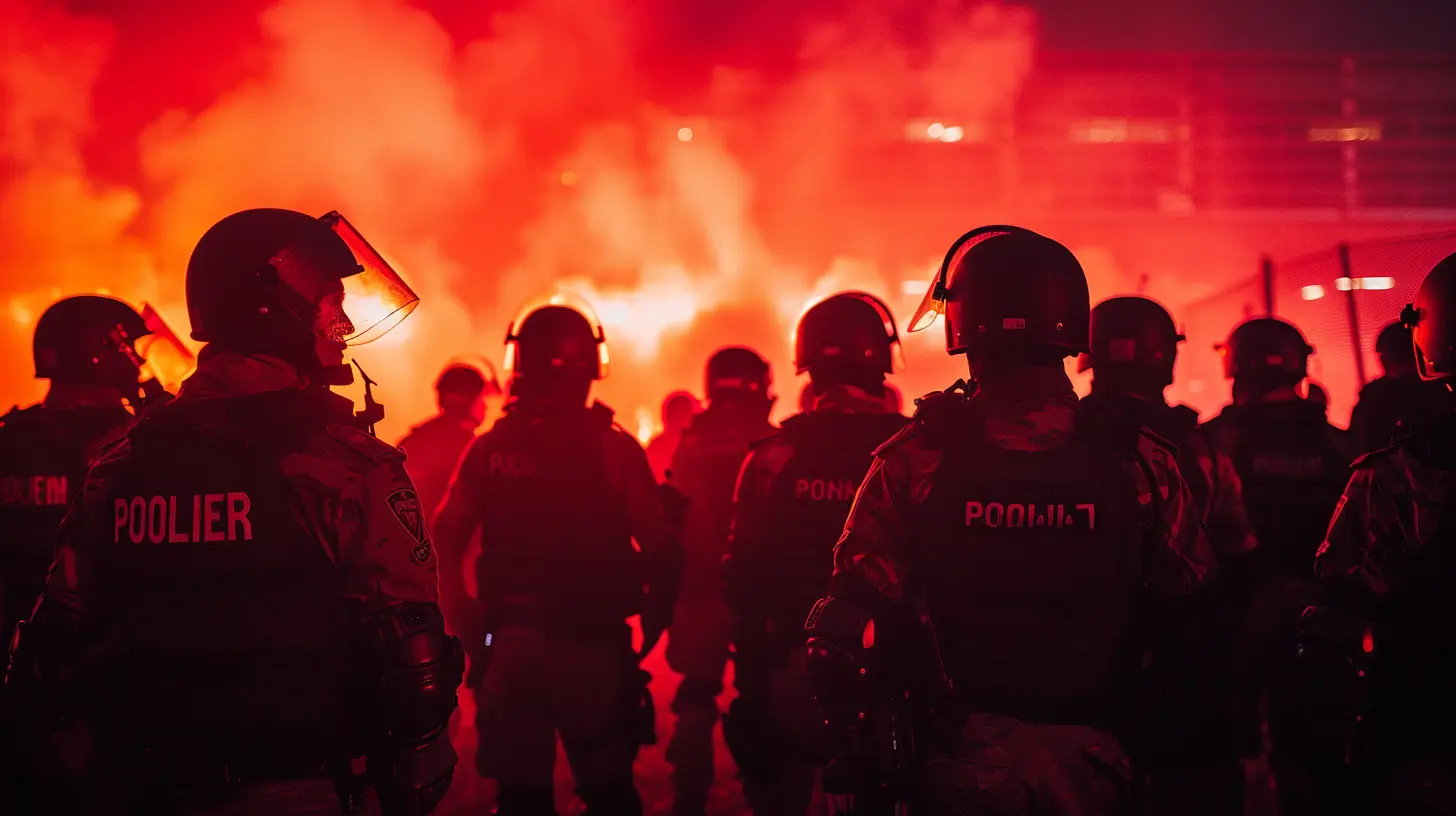
When thousands of passionate fans are crammed into one space, things can spiral out of control quickly. That’s where trained riot police and strategic crowd control tactics come into play.- Barriers and Checkpoints – These control access points, preventing hooligans from sneaking in weapons or flares.
- Mounted Police & Canine Units – Horses and trained dogs act as psychological deterrents, often dispersing aggressive crowds before things get out of hand.
- Non-Lethal Weapons – Tear gas, rubber bullets, and water cannons are sometimes used to break up violent mobs.
4. Post-Match and Off-Site Enforcement
Once the match is over, the job isn’t done. Hooligans often regroup at pubs, train stations, or other public areas to continue their fights.- Escort Strategies – Police sometimes escort rival fans separately to prevent them from clashing in public spaces.
- Surveillance of Pub Gatherings – Known hooligan groups often meet in specific bars, so officers keep a close watch.
- Arrests and Investigations – Video footage helps identify and arrest offenders after the event, ensuring they face justice.
5. International Cooperation
Thanks to globalization, hooliganism isn’t confined to a single country. When major tournaments like the World Cup or Euros happen, international coordination becomes crucial.- Information Sharing – Countries share data on known hooligans to prevent them from traveling to matches.
- Travel Bans – Some known offenders are banned from leaving their country during major tournaments.
- Joint Task Forces – For big competitions, police forces from different countries work together to prevent and respond to violence.
Challenges Faced by Police in Tackling Hooliganism
Despite all these efforts, police still face numerous challenges when dealing with football violence.1. Balancing Force and Freedom
Police need to be firm, but going overboard can spark backlash. Nobody wants a repeat of past tragedies where overcrowding—sometimes worsened by heavy-handed policing—led to disaster. Striking the right balance is key.2. Evolving Tactics of Hooligans
Hooligans aren’t just reckless drunks throwing punches in the street. Many of them are highly organized, using encrypted messages and private groups to coordinate fights. This makes it difficult for police to track and stop them.3. Legal Roadblocks
Some laws make it tough for police to take preventive action. For instance, in some countries, unless a crime is committed on site, officers can’t detain known troublemakers before a match—even if the risk is obvious.4. Public Perception
Nobody likes overly aggressive policing, and sometimes officers are unfairly criticized. If they’re too lenient, they’re blamed for being ineffective. If they’re too tough, they face accusations of brutality. Walking that tightrope is no easy feat.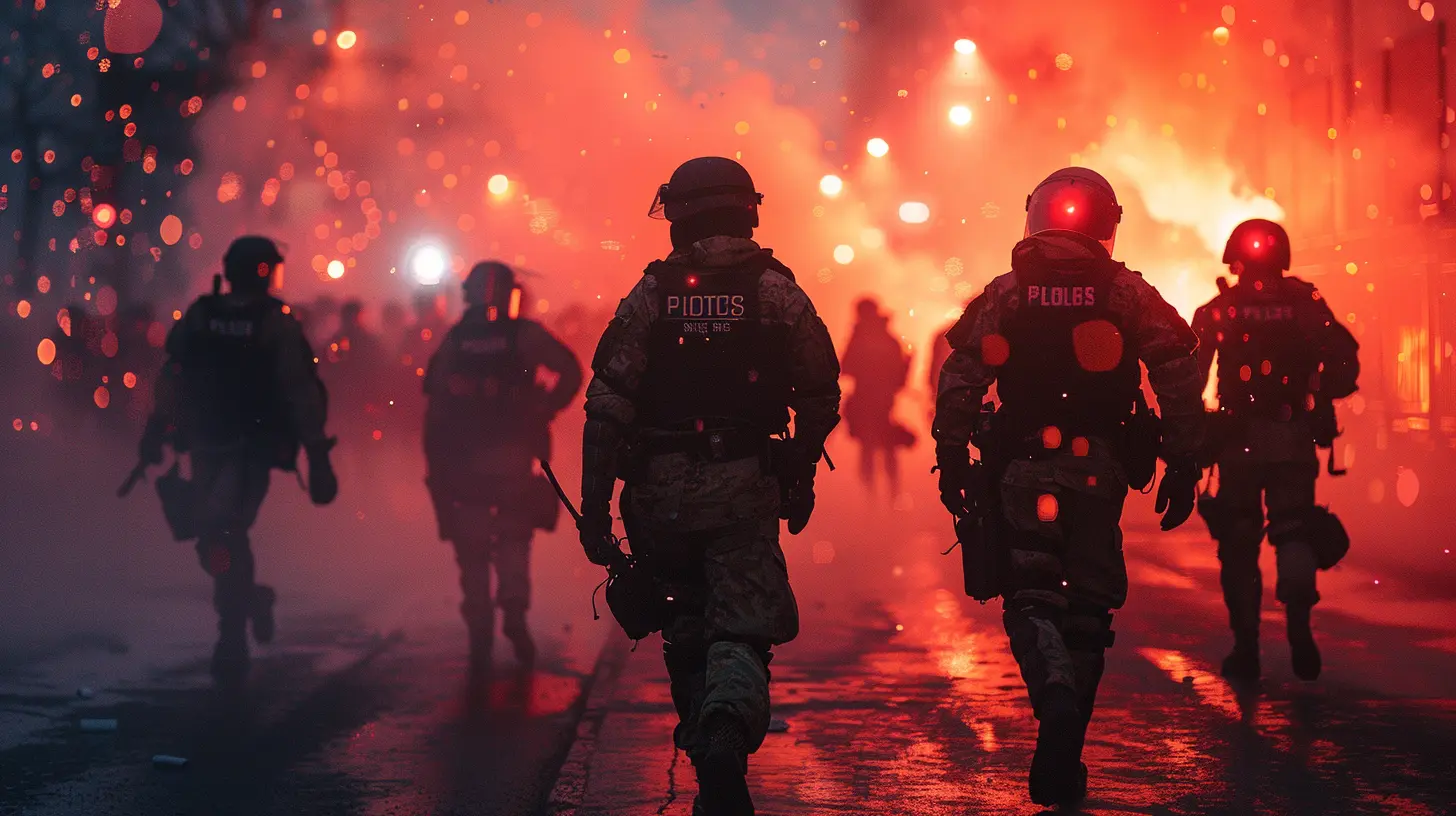
Effective Strategies for the Future
While football hooliganism can never be completely eradicated, smarter strategies can help minimize it significantly.- Better Use of Technology – AI-powered surveillance and facial recognition can help track and stop hooligans before they strike.
- Harsher Penalties – Lifetime bans, higher fines, and stricter legal action can deter repeat offenders.
- Fan Education and Community Engagement – Creating a culture of respect among fans goes a long way. Some clubs have initiated fan-led programs to discourage violence.
- Closer Club-Police Collaboration – Clubs know their fanbase better than anyone. Stronger collaboration between clubs and police can improve threat detection and response.
Final Thoughts
Football hooliganism isn’t just an issue for law enforcement; it’s a problem for the entire football community. While police play a massive role in controlling rowdy fans, clubs, leagues, and even fans themselves must step up.At the end of the day, football is meant to bring people together, not tear them apart. With smarter policing, better laws, and a shift in fan culture, hooliganism can hopefully become a thing of the past. Until then, the men and women in uniform will continue working tirelessly to keep the game safe.
all images in this post were generated using AI tools
Category:
HooliganismAuthor:

Fernando Franklin
Discussion
rate this article
2 comments
Christa McDonough
This article highlights the complex relationship between law enforcement and football culture. While police presence is essential for safety, it's crucial to balance enforcement with community engagement to effectively address hooliganism.
December 13, 2025 at 4:15 AM
Fernando Franklin
Thank you for your insightful comment! Balancing safety and community engagement is indeed vital in addressing hooliganism effectively.
Niko Lynch
This article effectively highlights the crucial role police play in managing football hooliganism. Their strategies and interventions are vital for ensuring safety and promoting a positive atmosphere at matches. Great insights!
December 4, 2025 at 3:25 AM
Fernando Franklin
Thank you for your feedback! I'm glad you found the insights on police strategies and their importance in managing football hooliganism valuable.