The Science Behind Protein Powders: What You Need to Know
1 March 2026
If you're even remotely into fitness or just thinking about hitting the gym for the first time, you've probably heard someone say, “You’ve gotta up your protein!” And right after that, they probably mentioned protein powders. But what's really in that shaker bottle people carry around like a fashionable accessory? Is it magic? Is it just powdery chalk? Let's dig into the real science behind protein powders—minus the fluff and confusion.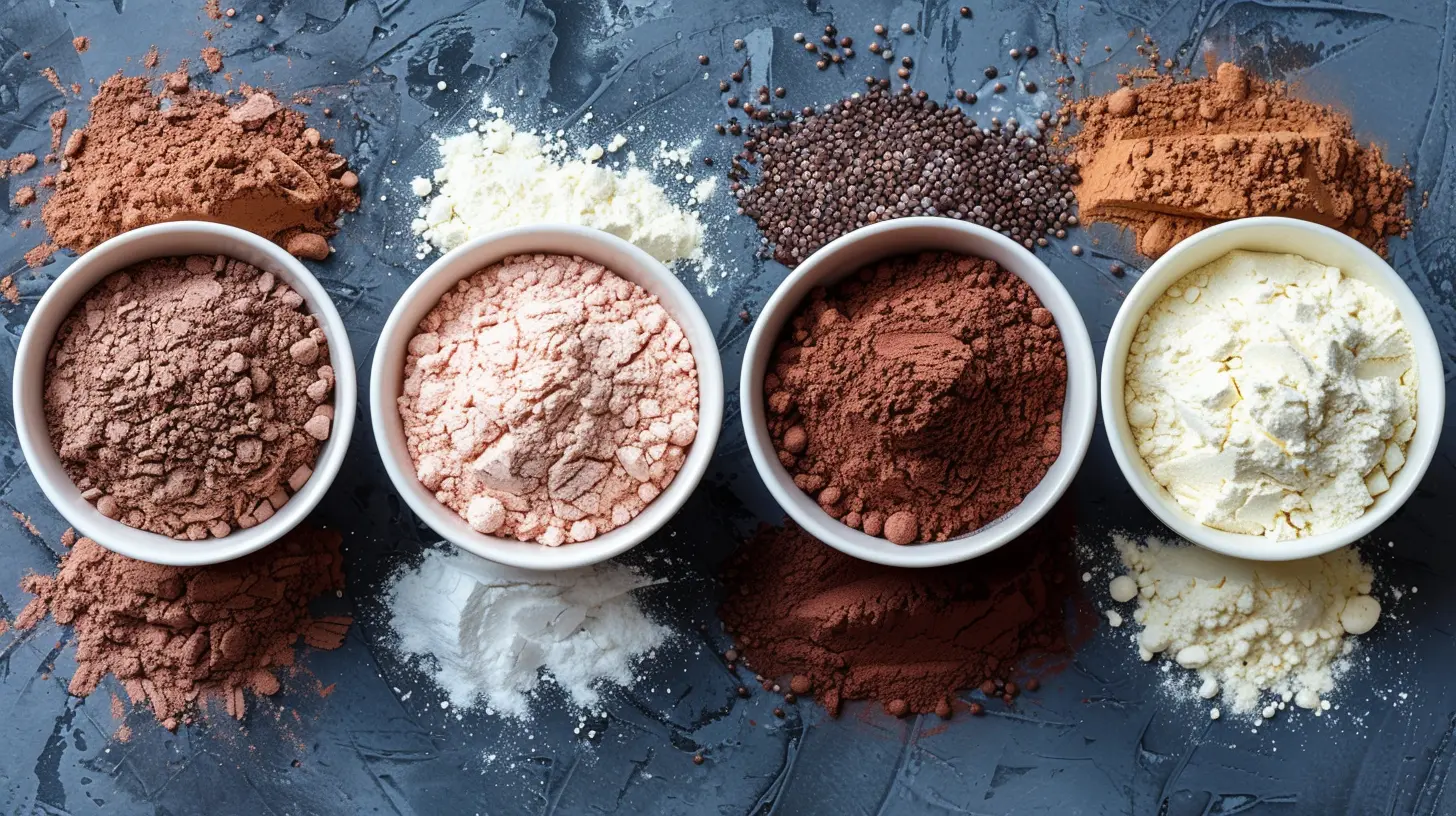
What Even Is Protein, Anyway?
Before we dive into powders, let's talk about protein itself. Think of protein as the building blocks of your body. Muscles? Built with protein. Skin? Yup, protein. Enzymes, hormones, even parts of your immune system—protein is involved.When you eat protein (from food or supplements), your body breaks it down into amino acids. These little guys are like Lego bricks your body uses to build, repair, and grow tissue.
So yes, protein is a big deal—especially if you're into any sport, weight training, or just want to stay healthy and maintain muscle as you age.
Why Protein Powder?
You might wonder—why use a powder when you can just eat chicken or eggs? Good question. Here’s the deal: real food is always the foundation of any solid nutrition plan. But sometimes, life gets in the way. You’re late for work, you’ve just finished a beast of a workout, or frankly, you’re tired of chewing.That’s where protein powders step in—convenient, fast-absorbing, and often low in calories and fat. They're not a magic bullet, but they’re a useful tool in the nutrition toolbox.
Different Types of Protein Powders (Yep, There's More Than One)
Brace yourself—this is where things can get a little science-y but stick with me. Not all protein powders are created equal, and knowing the differences helps you pick what’s right for your body and goals.1. Whey Protein
This is the most popular one out there—for good reason. Whey is a complete protein, which means it has all nine essential amino acids your body can’t produce by itself.It’s derived from milk (yep, the same stuff you pour into cereal), and it's incredibly fast-digesting. That makes it perfect post-workout when your muscles are crying out for nutrients. There are three main types:
- Whey Concentrate: More affordable, contains some fat and carbs.
- Whey Isolate: Higher protein content, filtered to remove most fat and lactose.
- Whey Hydrolysate: Pre-digested for lightning-fast absorption, but tends to be pricier.
If you’re lactose intolerant or sensitive to dairy, isolate or hydrolysate might be your better options.
2. Casein Protein
Another milk-based protein, casein digests slowly. Like, slow as molasses. This makes it great to take before bed because it gives your muscles a steady stream of amino acids overnight.Think of whey as a sprinter and casein as a marathon runner.
3. Plant-Based Proteins
Vegan? Lactose intolerant? Just trying something new? Plant proteins are your go-to.- Pea Protein: High in BCAAs (muscle-building amino acids); easy to digest.
- Rice Protein: Not a complete protein on its own but often mixed with pea to balance it out.
- Hemp Protein: Contains healthy fats and fiber along with protein.
- Soy Protein: A complete plant-based protein, but some people avoid it due to potential hormonal effects (more on that later).
Don’t be skeptical of plant proteins—they’ve come a long way. New blends are surprisingly tasty and effective.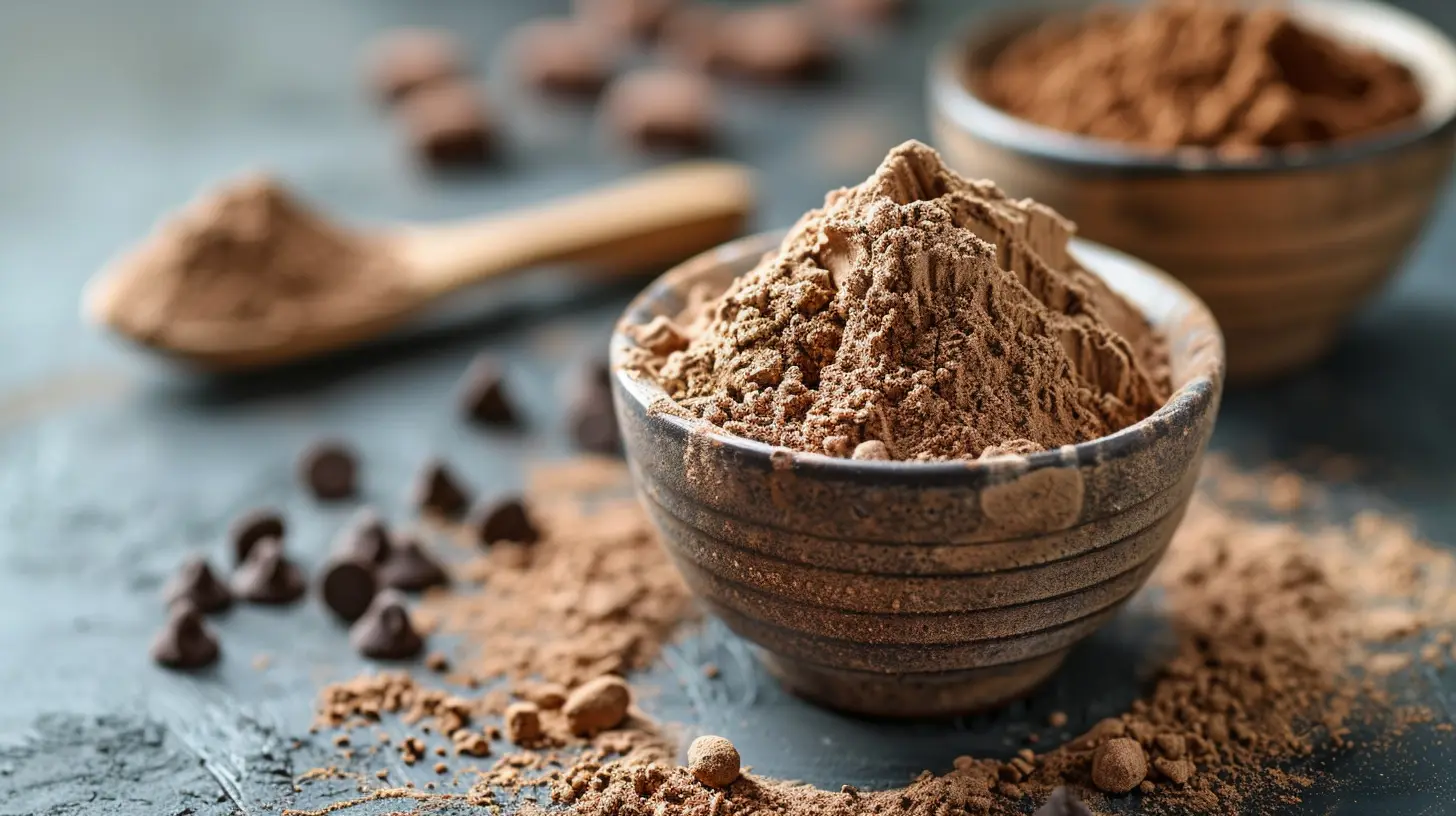
The Science: How Protein Powder Helps Your Body
Okay, let’s break down what happens behind the scenes.Muscle Growth and Repair
When you work out, especially lifting weights or doing intense cardio, you’re causing tiny tears in your muscle fibers. Sounds bad, but it’s actually good. Your body repairs and rebuilds the muscle stronger—if it has the right materials. That’s where protein comes in.Protein powder—especially when taken around workouts—delivers those much-needed amino acids quickly, helping your muscles recover and grow.
Weight Management
Protein is incredibly satiating, meaning it helps keep you full. If you’re trying to lean out or lose weight, supplementing meals with a protein shake can reduce cravings and prevent overeating.Plus, your body burns more calories digesting protein than it does fat or carbs. So yes—protein has a tiny thermogenic effect.
Hormonal Balance
Protein impacts hormone production too. It supports insulin (which helps regulate blood sugar), growth hormone (big in muscle building), and even helps control ghrelin and leptin—your hunger and fullness hormones.Timing: When Should You Take Protein Powder?
This question pops up all the time, and honestly, there’s no one-size-fits-all answer. But here are some common windows to consider:- Post-Workout: 30 minutes after training is often called the ‘anabolic window’. That’s when your muscles are begging for nutrients.
- Pre-Workout: A shake with carbs and protein before a workout can fuel your session.
- Meal Replacement: Busy morning? A protein shake mixed with fruits, oats, or nut butter can sub in for breakfast.
- Before Bed: Casein is your friend here, feeding muscles all night.
At the end of the day, total protein intake matters more than precise timing. So, do what fits your routine best.
How Much Protein Do You Actually Need?
Let’s kill the myth that more is always better. Your body can only utilize so much protein at a time.- Sedentary People: Around 0.8 grams per kilogram of body weight.
- Active Individuals / Athletes: 1.2 to 2.2 grams per kilogram, depending on goals.
- Lifters Aiming for Muscle Growth: Stick closer to that 2.0–2.2g range.
For someone weighing 70kg (about 154 lbs), that’s roughly 112–154 grams a day if you’re training hard.
Remember: supplements supplement your diet. They're not supposed to replace your meals.
Is Too Much Protein Harmful?
There’s a lot of fear-mongering out there about protein hurting your kidneys or liver. But here’s the truth—if you’re healthy, protein isn’t going to wreck your organs.That said, people with existing kidney issues should definitely talk to a doctor before starting any high-protein diet or supplementation.
And balance is important. Don’t live off protein powders. You need carbs for energy, fats for hormone health, and micronutrients from fruits and veggies. Your body is a complex machine—it needs all kinds of fuel.
Labels, Additives, and What to Watch Out For
Not all protein powders are pure. Many come packed with:- Artificial Sweeteners
- Fillers
- Thickeners
- Sugar
- Excess Sodium
When choosing a brand, flip that tub around and actually read the label. Shorter ingredient lists are usually better. Look for third-party testing and certifications. Clean ingredients, high protein-to-calorie ratio, and trusted sourcing are your green flags.
Pro tip: If your shake tastes like a milkshake and has zero aftertaste... maybe question why.
Common Myths About Protein Powders
Let’s bust a few myths while we’re here:“Protein Powder Will Make Me Bulky”
This one needs to retire already. Protein helps you build muscle, but it doesn’t magically turn you into a bodybuilder overnight. That takes years of training, a killer diet, and probably more supplements than just protein.“I Don’t Work Out, So I Don’t Need Protein Powder”
Even non-athletes need protein. If you struggle to meet your daily protein needs with food, a protein shake is a helpful tool. It’s not just for gym rats.“More Protein Means More Muscle”
Only up to a point. After your body gets what it needs, the rest just becomes extra calories. It won’t stack muscles on you faster.Should You Use Protein Powder?
That’s the million-dollar question. Here’s a quick checklist:- Struggling to hit your daily protein goal?
- Pressed for time and need a quick nutrition fix?
- Want to aid recovery after workouts?
- Not eating a lot of high-protein foods?
If you answered yes to any of those, protein powder could help you out.
Just remember, it should enhance your lifestyle—not become your entire diet.
Final Thoughts: Keep It Simple, Keep It Real
Protein powders can be a game-changer. After all, they’ve helped millions of athletes, bodybuilders, busy parents, and everyone in between meet their goals faster. But don’t let marketing hype fool you. The real power comes from consistent action—eating right, training hard, and getting enough rest.Protein powder is like a reliable sidekick. Batman still needs Robin, right?
So whether you’re just starting your fitness journey or looking to fine-tune your performance, understanding the science behind protein powders sets you up for success. And now that you know what’s really inside that shaker bottle, you’re better equipped to use it wisely.
Stay strong, stay smart, and shake it up when you need to.
all images in this post were generated using AI tools
Category:
Sports NutritionAuthor:

Fernando Franklin
Discussion
rate this article
2 comments
Kennedy Vaughn
While the article effectively highlights the benefits of protein powders, it overlooks the importance of whole food sources and individual dietary needs. A more nuanced approach considering personal health goals and the potential for over-reliance on supplements would enhance the discussion on optimal nutrition for athletes.
April 2, 2026 at 10:52 AM
Fernando Franklin
Thank you for your insightful comment! I appreciate your emphasis on whole food sources and the individualization of nutrition—these are indeed crucial for a well-rounded approach to athletic performance.
Fay Black
This article dives into the intriguing world of protein powders! I'm fascinated by how science shapes our understanding of nutrition. I can't wait to learn more about the benefits, types, and myths surrounding protein supplements. What surprised you most while researching?
March 8, 2026 at 4:26 AM
Fernando Franklin
Thank you for your enthusiasm! I was surprised by the wide variety of protein sources available and how each type impacts the body differently. Stay tuned for more insights!