The Science of Free-Throw Shooting Percentage
4 July 2026
Basketball fans know the feeling—your team is down by one point, two seconds on the clock, and your favorite player steps up to the free-throw line. The arena goes quiet. All eyes are glued to that moment. One smooth flick of the wrist, and the ball decides the game. But have you ever stopped to wonder what really goes into making (or missing) that free throw?
Let’s break it down because free-throw shooting percentage isn't just about talent—there’s serious science hiding behind that hoop.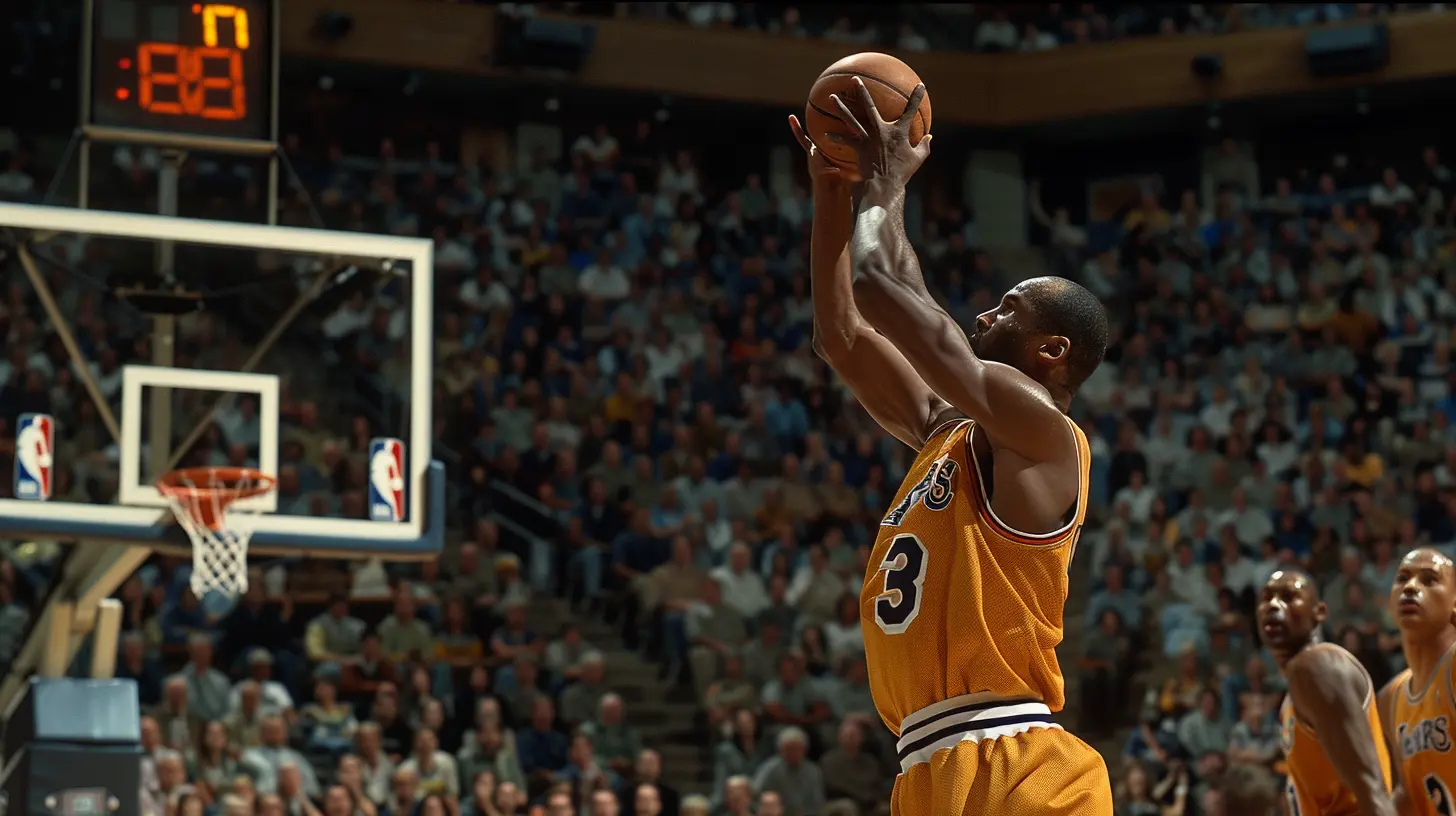
What is Free-Throw Shooting Percentage?
Let’s start with the basics. The free-throw shooting percentage (FT%) is a simple stat: it’s the number of made free throws divided by the number of attempts, then multiplied by 100. For example, if a player makes 8 out of 10, their FT% is 80%.Simple equation, right? But the variables that influence this number? Oh, they’re anything but straightforward.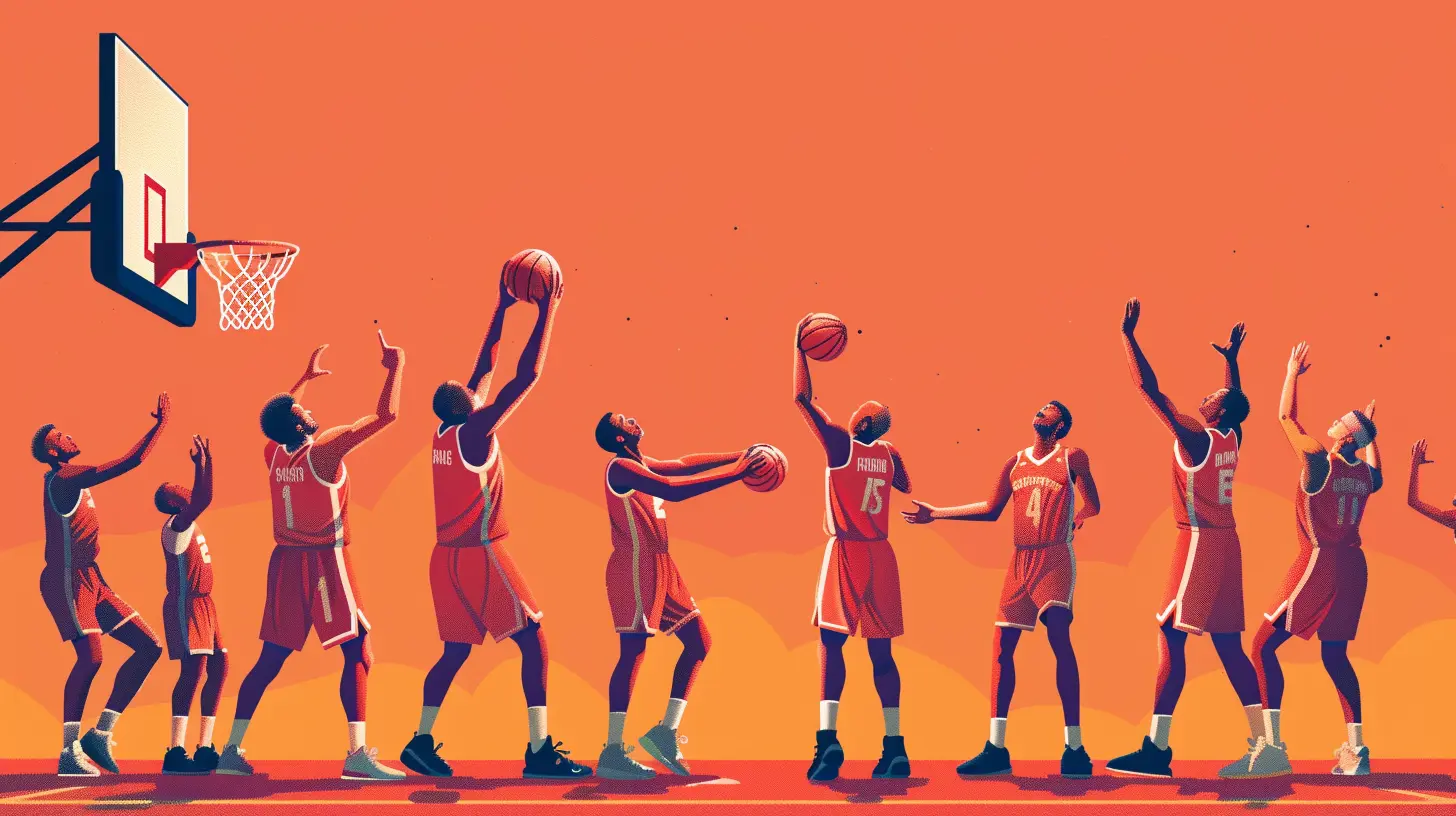
The Psychology Behind the Shot
The Mental Game Is Real
Ever heard the phrase, “It’s all in your head”? When it comes to free throws, that’s kind of true. Free throws are unique because there’s no defender, no movement—just you and the basket. So why do players still miss?Pressure.
When the noise fades, and the scoreboard’s lit, the pressure can choke even seasoned pros. Confidence, focus, and resilience are all mental muscles players need to build.
Routine Is Everything
Ever notice how players do the exact same thing before every free throw? One bounce, spin, deep breath, shoot. That’s not superstition—it’s psychology at work.Routines help players block out distractions and reset their brains. The goal is to achieve what's called the "flow state"—that sweet zone where your body takes over and performs automatically.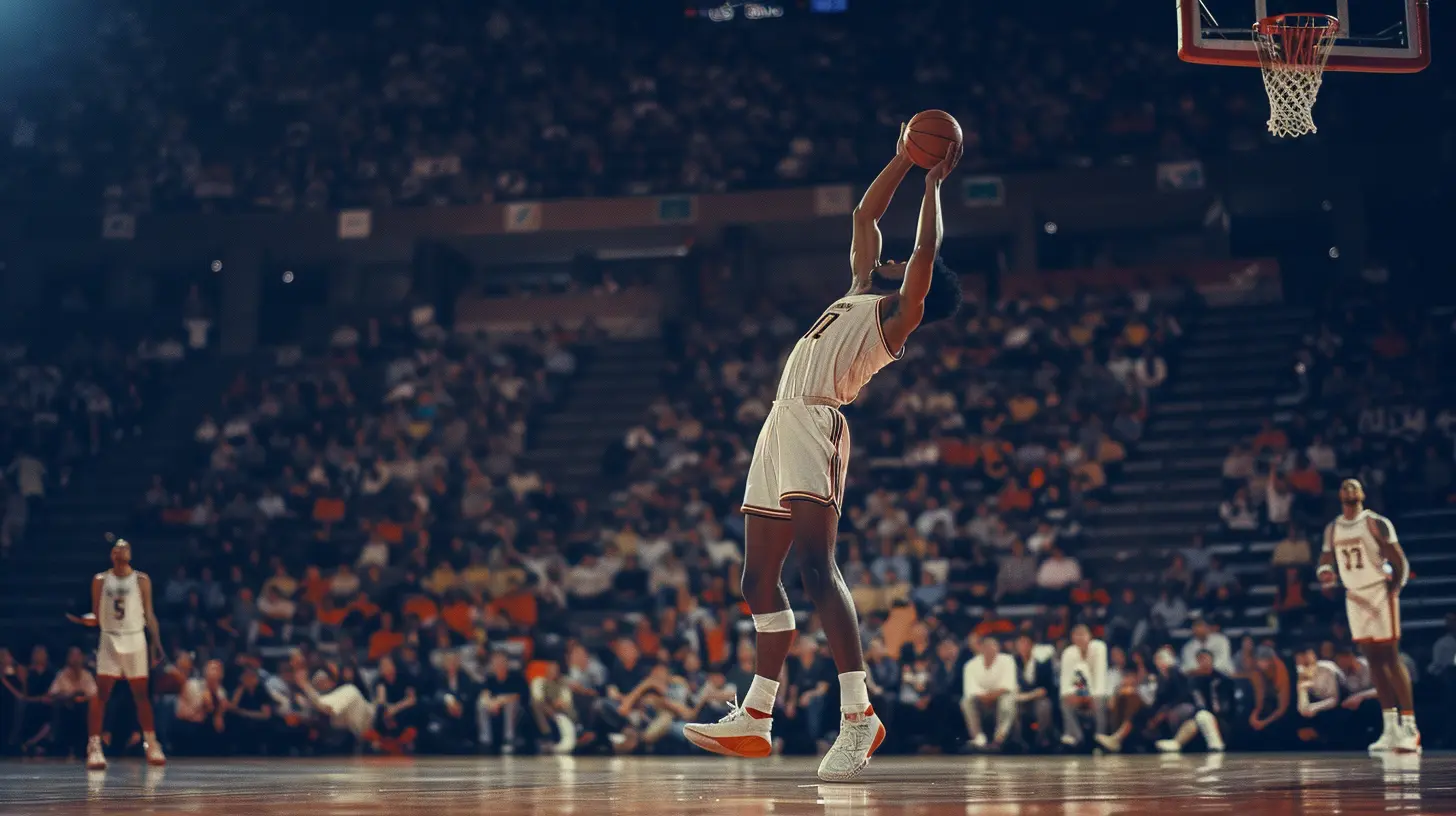
The Biomechanics of a Perfect Free Throw
Let's Talk About the Kinetics
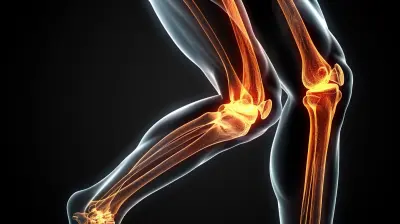
Shooting a free throw might look smooth and easy, but it’s actually a finely tuned mechanical sequence. Think of it like a chain reaction where each link—the feet, legs, hips, arms, and fingers—needs to work together.- Stance: Feet shoulder-width apart offers balance.
- Knees and Legs: Generate power—not just the arms!
- Elbow Alignment: Elbow should be directly under the ball and in line with the rim.
- Follow-Through: That wrist flick? It’s not just flair—it ensures proper ball rotation and direction.
Arc and Spin Matter More Than You Think
Science says an ideal free throw has a launch angle of about 45 to 55 degrees. Why? A higher arc gives the ball a larger entry window into the hoop—literally increasing the chance it’ll go in.And let’s talk about spin. Backspin slows the ball down when it hits the rim, making it more likely to bounce in instead of out. So yeah, that gentle roll? It’s everything.
Muscle Memory and Repetition: The Unsung Heroes
Practice Makes Permanent
You know how coaches say "reps, reps, reps"? They’re not being annoying—they’re being smart. Muscle memory is key. When you shoot the same motion over and over, your body locks it in.NBA players shoot hundreds of free throws every week during practice, not just to improve but to automate movement. It’s like riding a bike—once your body learns it, you never forget.
Why Consistency Trumps Flash
You don’t need to shoot like Steph Curry to be effective. You just need to shoot the same way every time. It’s not about looking cool—it’s about being consistent.Even unconventional forms (looking at you, Rick Barry and your underhand "granny shot") can be effective, as long as the mechanics and timing are repeatable.
Stats Don’t Lie: Historical Trends in FT%
The Legends of the Line
Let’s tip our hats to some of the best. Players like Steve Nash, Mark Price, Peja Stojaković, and Steph Curry all boast free-throw percentages north of 90%. These are guys who live at the line and make it count every single time.But here's the kicker—many of them aren’t the most athletic people on the court. They’re just insanely disciplined and mechanically sound.
League Averages
The NBA average free-throw percentage usually hovers between 73–77%, with guards typically shooting better than big men. Why? Guards have more finesse and touch, while centers often rely on brute strength (and sometimes less-than-ideal shooting mechanics).But the game is evolving. With more emphasis on shooting skills—even for bigs—we're seeing higher FT% across the board.
Tech & Training: The Modern Edge
Video Analysis
Thanks to slow-motion cameras and motion tracking, coaches can break down every micro-movement of a player’s shot. They can pinpoint exactly when the wrist is too stiff or the elbow flares out.Biometric Feedback and Wearables
Training tools now include wearable tech that tracks muscle activation, shot speed, and more. Players are literally optimizing their bodies for better shooting.VR and Simulation Training
Some teams are using virtual reality to simulate game-time pressure. Players get to practice free throws with roaring crowds and high stakes—over and over—without even stepping onto the court.Factors That Affect FT% You Never Thought About
Fatigue is a Silent Killer
End of the game. Legs are jelly. Arms feel like noodles. That’s when FT% often drops. Why? Because tired muscles mess with mechanics. Fatigue leads to poor balance, rushed shots, and weaker arcs.Game Situation: Clutch vs. Comfort
Some players shoot lights out during practice but struggle under pressure. It’s called "clutch anxiety", and it’s a real thing. Other players? They thrive when the heat is on. It all comes down to mental wiring and preparation.Crowd Noise & Venue Vibes
Think free throws are the same everywhere? Nope. Shooting in Madison Square Garden isn't the same as a high school gym. Lighting, backdrops, and crowd noise all influence depth perception and focus.How You Can Improve Your Free-Throw Percentage
Alright, you're not an NBA star (yet), but you're hitting the court this weekend and want to boost your free-throw game. What can you do?1. Master Your Routine
Create a pre-shot ritual and stick to it. Your brain loves patterns, so give it one.2. Work On Form, Not Force
Focus on smooth mechanics, not throwing darts. Remember: legs give you power, arms give you aim.3. Track Your Stats
Keep a log of your makes and misses. Set weekly goals. Turn it into a challenge.4. Visualize Success
Before you shoot, picture the ball swishing through the net. Your brain will help your body follow through.5. Simulate Pressure
Shoot with someone counting down from 5. Bet your friends push-ups for every miss. Pressure makes diamonds, right?The Unexpected Value of Free Throws in Modern Hoops
In today’s game, three-pointers get all the love. But guess what? Free throws still win games. They’re free points—literally. And the best teams understand that.In fact, a team's free-throw shooting percentage can make or break championships. High-percentage teams control fourth quarters and come out on top in close games. It's not flashy, but it's fundamental basketball.
Conclusion: The Line Separates Legends
At the end of the day, the free throw is more than just a shot—it's a measuring stick of discipline, focus, and mental toughness. It's painful how underrated it can be.Whether you're a weekend warrior or a hopeful hoopster, mastering the science of free-throw shooting percentage can seriously elevate your game. Because when the game’s on the line, you better believe all eyes will be on you—and that one simple shot that’s really not so simple at all.
So go ahead. Hit the gym. Take your time. Breathe, bounce, and let it fly.
all images in this post were generated using AI tools
Category:
Sports StatisticsAuthor:

Fernando Franklin
Discussion
rate this article
1 comments
Thornefield Webster
Understanding the mechanics behind free-throw shooting can significantly improve overall performance.
July 10, 2026 at 11:50 AM
Fernando Franklin
Absolutely, grasping the mechanics is key. It can transform not just free-throw success but overall game performance.