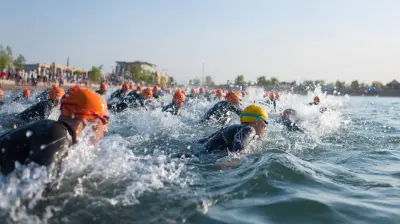
Training for an Ironman: What You Need to Know
7 January 2026
Let’s be real for a second — signing up for an Ironman is not your average "let’s-get-fit" kind of goal. It’s more like strapping yourself into a rocket and launching into a world that thrives on sweat, guts, and serious grit. But if you’re reading this, chances are your curiosity is piqued (or you’ve already clicked "Register" and are now slightly freaking out — in which case, you’re in good company).
Training for an Ironman isn’t something you can just wing. We’re talking about a 2.4-mile swim, a 112-mile bike ride, followed by a full 26.2-mile marathon. That’s 140.6 miles of sheer determination. Sound crazy? Maybe. But it’s also insanely rewarding.
So, if you're all in, buckle up. Here's everything you need to know to train smart, stay sane, and maybe even enjoy the chaos along the way.
What Even Is an Ironman?
Before we dive into the training grind, let’s get clear on what you’re actually signing up for. An Ironman Triathlon includes:- Swim: 2.4 miles (usually in open water)
- Bike: 112 miles
- Run: 26.2 miles (aka a full marathon)
- Time Limit: 17 hours
It’s a one-day event, and yes — people actually finish it (some smiling, some crawling). The first question isn’t always "How do I train?" but rather, “Can I even do this?” The answer? With the right mindset and plan — absolutely.
Who Can Do an Ironman?
Spoiler alert: You don’t need to be a superhuman Olympic athlete. Sure, you’ll have to train hard, but Ironman is more mental than physical. If you’ve got discipline, patience, and the willingness to embrace discomfort, then yeah, you’ve got what it takes.There are people in their 60s crushing Ironmans and folks with zero triathlon experience crossing the finish line after a year of training. The real secret? Consistent effort and smart preparation.
When Should You Start Training?
Ideally, you want 6 to 12 months of dedicated training before race day — depending on your fitness level. If you're starting from scratch, closer to 12 months gives you time to build endurance without risking burnout or injury. Already fairly fit? Six to eight months might work.Whatever your starting point, the key is gradual progression. This isn’t about overnight transformations. It’s more of a slow roast than a flash fry.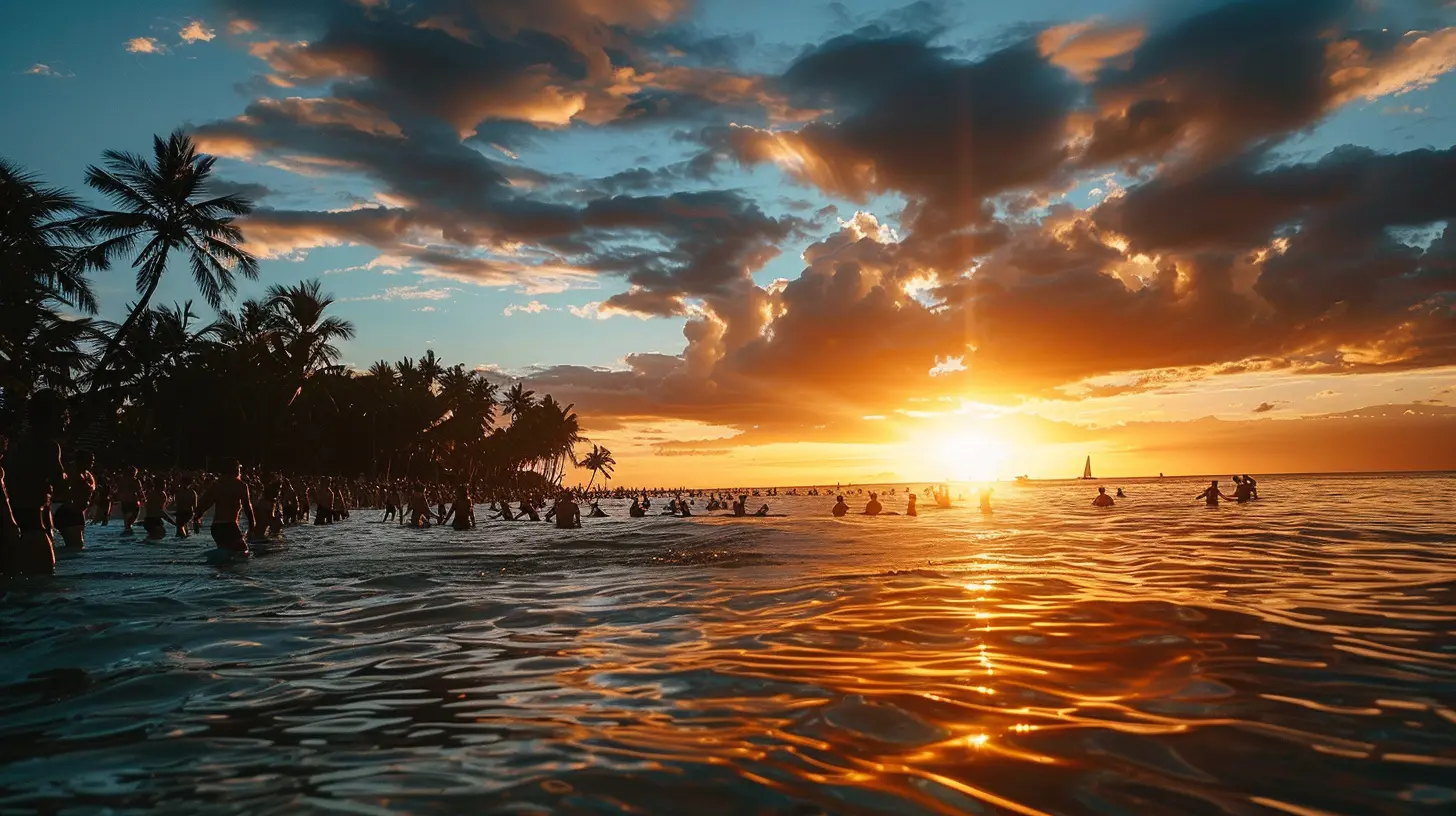
Breaking It Down: The Three Disciplines
You’re not just training for one sport — you’re training for three totally different ones. Each demands its own strategy, gear, and mindset.1. The Swim — Conquer the Water, Don’t Fear It
Open-water swimming is often the most intimidating for newbies. Waves, cold water, people kicking around you — it’s a different beast compared to pool laps.Pro Tips:
- Practice in open water when you can.- Get comfortable with a wetsuit — it adds flotation but changes your range of motion.
- Focus on efficiency over speed. You don’t need to win the swim, just survive it without draining all your energy.
2. The Bike — Your Longest Leg (Literally and Figuratively)
The bike portion is the longest in time and distance. Expect to be in the saddle for 5-8 hours depending on your pace.Pro Tips:
- Invest in a proper road or triathlon bike — fit matters a lot here.- Learn how to fuel while cycling. Eating on the bike is a skill!
- Train on hills even if your race is flat. Strength = speed.
3. The Run — The “Marathon After the Madness”
Running a marathon is tough. Running one after hours of swimming and cycling? Pure madness. But also, kind of beautiful.Pro Tips:
- Brick workouts — running immediately after biking — are crucial. They teach your legs to transition.- Don’t worry about speed, focus on steady pacing and staying mentally tough.
- Walk aid stations if needed. Tons of athletes do this.
The Structure: Building a Training Plan
Ironman training isn't a random mix of workouts. You’ll need a plan — one that balances volume, intensity, and recovery.Weekly Breakdown
Here’s what a typical training week might include:- Swim: 2-3 sessions
- Bike: 2-3 sessions (including one long ride)
- Run: 3-4 sessions (including one long run)
- Bricks: 1-2 sessions combining bike and run workouts
- Strength Training: 1-2 times/week
- Rest/Recovery Days: 1 day per week (non-negotiable!)
Phases of Training
Just like building a house, Ironman training happens in phases:1. Base Phase (12-20 weeks): Build aerobic capacity, work on form, focus on consistency.
2. Build Phase (8-10 weeks): Increase volume and intensity, start race-specific workouts.
3. Peak Phase (2-4 weeks): Max out with long bricks and simulations.
4. Taper (2-3 weeks): Decrease volume to allow your body to recover before race day.
Nutrition: The Fourth Discipline
Ask any Ironman finisher and they’ll tell you: nutrition can make or break your race.Daily Nutrition
Your everyday eating should support your training, help you recover, and keep you healthy. Think:- Complex carbs
- Lean proteins
- Healthy fats
- Plenty of fruits and veggies
- Hydration, all day, every day
During Training and Racing
You’ll need to take in calories during long rides and runs (aim for ~200-300 per hour). That means experimenting with:- Energy gels
- Sports drinks
- Chews/bars
- Real food (bananas, PB&J sandwiches!)
Pro tip: Practice your race-day nutrition in training! The last thing you want is a surprise stomach rebellion at mile 80.
Gear Up: What You Actually Need
You could go wild with gear, but let’s keep it simple. Here’s the core list:- Swim: Goggles, wetsuit, swim cap
- Bike: Bike (duh), helmet, cycling shoes, repair kit, hydration setup
- Run: Running shoes (get fitted at a running store), race belt
- Other Essentials: Triathlon suit, sunglasses, sunscreen, anti-chafe balm (trust us!)
Mental Game Strong
Training for an Ironman isn’t just a physical test — it’s a mental grind. You’ll doubt yourself. You’ll hit walls. You might even want to quit.But here’s the thing: those hard moments are the training. The pain, the setbacks, the small wins? They’re all rehearsals for race day.
Mental Strategies
- Visualize crossing the finish line — often.- Break the race into pieces: swim, bike, run…one mile at a time.
- Remember your “why.” It’ll fuel you when your legs won’t.
- Surround yourself with supportive people or find a training group.
Common Mistakes to Avoid
Let’s save you some pain with a few warnings.- Skipping rest days: Recovery is where you get stronger.
- Overtraining: More isn’t always better. Burnout is real.
- Ignoring nutrition: Train your gut!
- Not practicing transitions: T1 and T2 (swim-bike and bike-run) require practice.
- Focusing only on one sport: Balance is key.
Hiring a Coach vs. DIY Plans
A coach can tailor your plan, keep you accountable, and help you adjust as needed. But not everyone needs one. If you’re self-motivated and a solid planner, there are free and paid training plans available online.Apps like TrainingPeaks or Garmin Connect can help you track everything. Just be honest with yourself about your needs (and your budget).
Race Week Tips
The week leading up to the race is all about preparation and chill vibes.- Pack early. Checklists help!
- Stay off your feet. Easy workouts only.
- Hydrate like it’s your full-time job.
- Eat simple, familiar foods.
- Visualize the course.
And on race morning, take a deep breath. You’ve done the work. Now it’s just time to let it all unfold.
Final Thoughts: You vs. You
Listen — training for an Ironman is not just about finishing a race. It’s about discovering what you’re made of. It’s about proving to yourself that you can handle more than you thought. There will be sweat. Probably tears. Maybe chafing in places you didn’t know existed.But when you cross that finish line? You won’t just be an Ironman.
You’ll be a warrior. A conqueror of fears. An absolute legend in your own story.
So, lace up. Dive in. Spin hard. You’ve got this.
all images in this post were generated using AI tools
Category:
TriathlonAuthor:
Fernando Franklin
Discussion
rate this article
2 comments
Shiloh McGill
Great article! Training for an Ironman can be both exciting and daunting. It's all about finding that balance between endurance and recovery. I love how you covered nutrition too—fueling up properly makes such a difference. Can’t wait to hear more about your journey! Keep it up!
February 18, 2026 at 4:12 AM
Fernando Franklin
Thank you so much! I'm glad you found it helpful. Balancing endurance and recovery really is key, and I'm excited to share more of my journey!
Fennec McMahan
Great insights! Training for an Ironman requires dedication and planning. Looking forward to applying these tips in my journey!
January 8, 2026 at 1:46 PM
Fernando Franklin
Thank you! Best of luck with your training—your dedication will surely pay off!