Triathlon Race Day Strategies for First-Time Competitors
5 May 2026
If you're about to tackle your very first triathlon, let me guess—you’re equal parts excited and terrified, right? That’s totally normal. Preparing for months, swimming, biking, running your butt off, and now it all comes down to one thing—race day.
But hold up. Just because you've survived the training doesn't mean you're automatically ready for race day. The logistics, the transitions, the pacing—it can all go haywire if you don’t plan smart.
So let’s break it all down. No fluff, no stress—just real, battle-tested triathlon race day strategies for first-time competitors, written like a friend who's been there (and made all the rookie mistakes so you won't have to).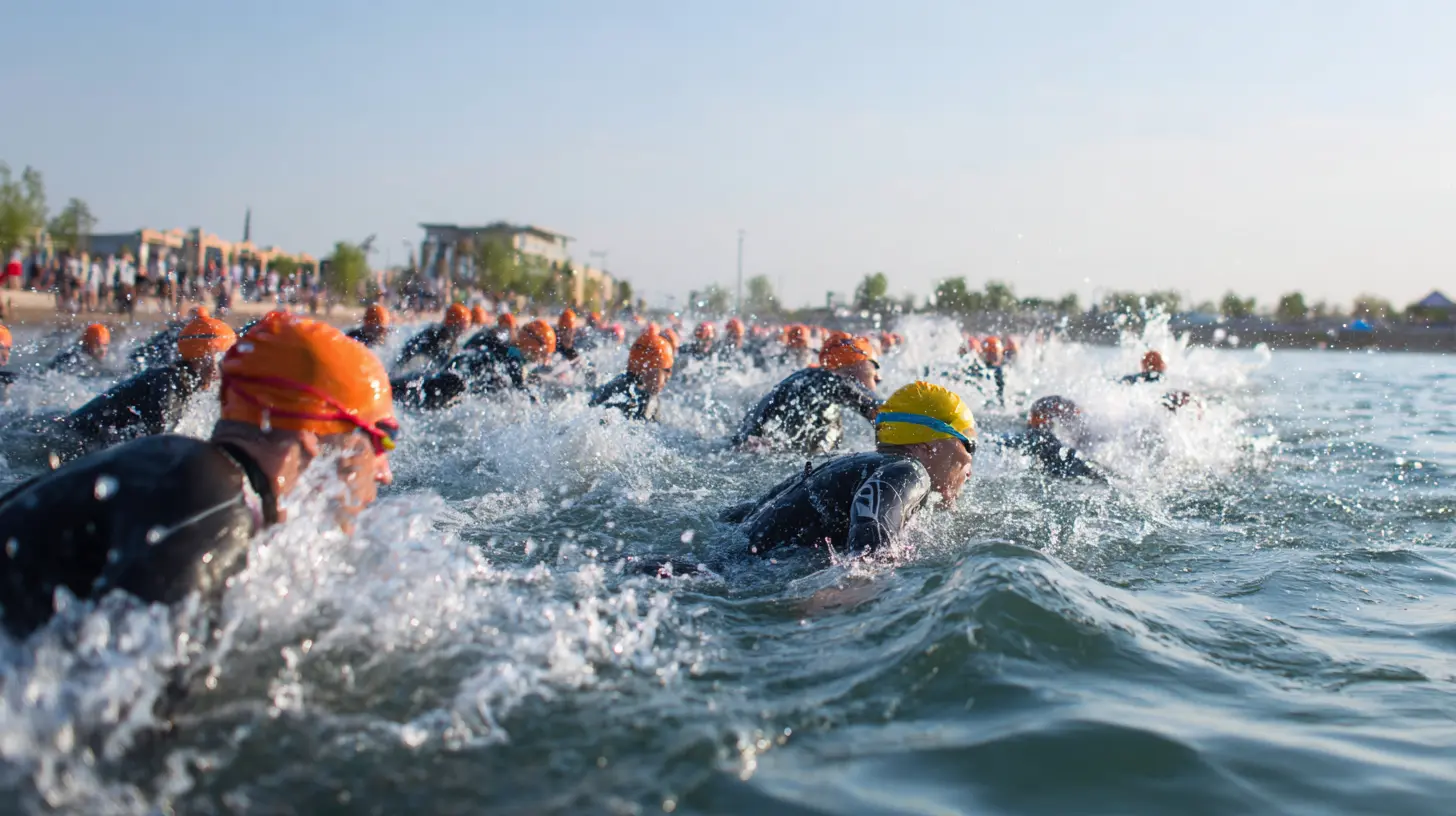
Table of Contents
1. Pre-Race Prep: Winning Starts Before the Gun2. Arrive Early and Set Up Like a Pro
3. Mastering the Transitions (T1 & T2)
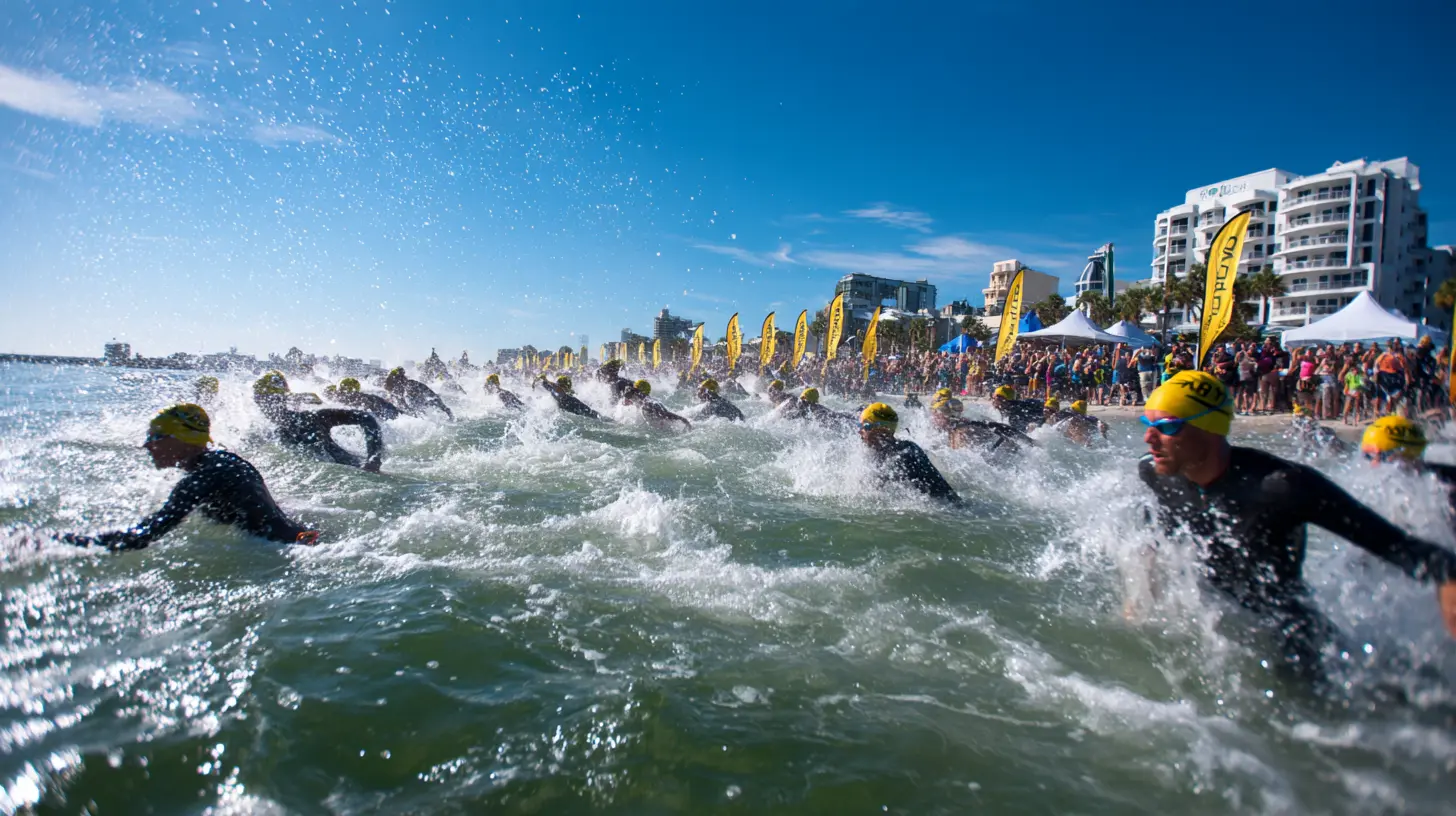
4. Swim Strategy: Don’t Burn Out Early
5. Bike Like a Beast, But Save Some Juice
6. Run Strong: It Ain’t Over ‘Til It’s Over
7. Nutrition and Hydration: The Fourth Discipline
8. Mental Game: Keep the Head in the Race
9. Common Mistakes First-Timers Make (And How to Dodge ‘Em)
10. Final Thoughts: Enjoy the Journey
Pre-Race Prep: Winning Starts Before the Gun
Triathlon isn't just about swim-bike-run. It's about planning like a military operation. Trust me, showing up unprepared is how panic sets in.So what should your pre-race checklist look like?
- Race Gear Packed? Triple check everything the night before—wetsuit, goggles, bike gear, running shoes, nutrition, peppermints (don’t laugh, they help with dry mouth).
- Weather Checked? Know what the conditions will be like. You don’t want to be blindsided by rain or wind.
- Race Layout Studied? Understand the course: Where are the turns? Hills? Aid stations? Visualize it like you’re already racing it.
Pro tip: Lay out your gear at home in "race order.” It helps your brain get into automation mode on race day.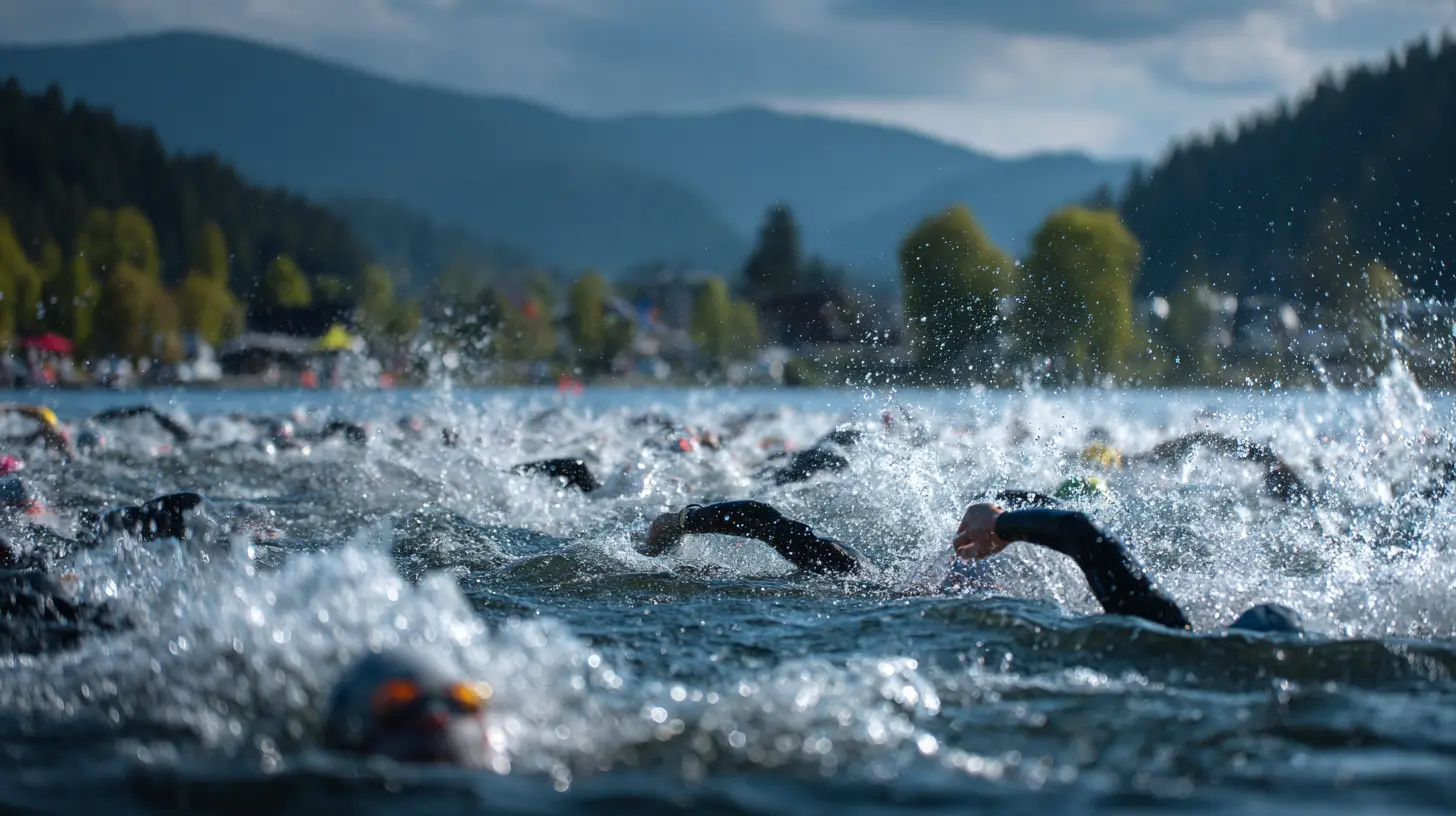
Arrive Early and Set Up Like a Pro
Set your alarm early. No, earlier.Getting to the venue at least 90 minutes before your wave gives you time to breathe, scout things out, and avoid the chaos that latecomers walk into.
Head to the transition area first. Your mission: stake out your turf and set up efficiently.
Transition Area Tips:
- Bike First. Rack it by the seat. Make sure the tires are inflated.- Layout Matters. Put your helmet (straps open) on your handlebars, shoes underneath, nutrition ready.
- Towel Trick. Lay a colored towel under your gear—it helps you find your spot fast.
- Walk It. Take 5 minutes to walk in and out of transition. Know your entry and exit points—it’ll save you precious seconds and mental energy.
Remember, a smooth transition is like free speed.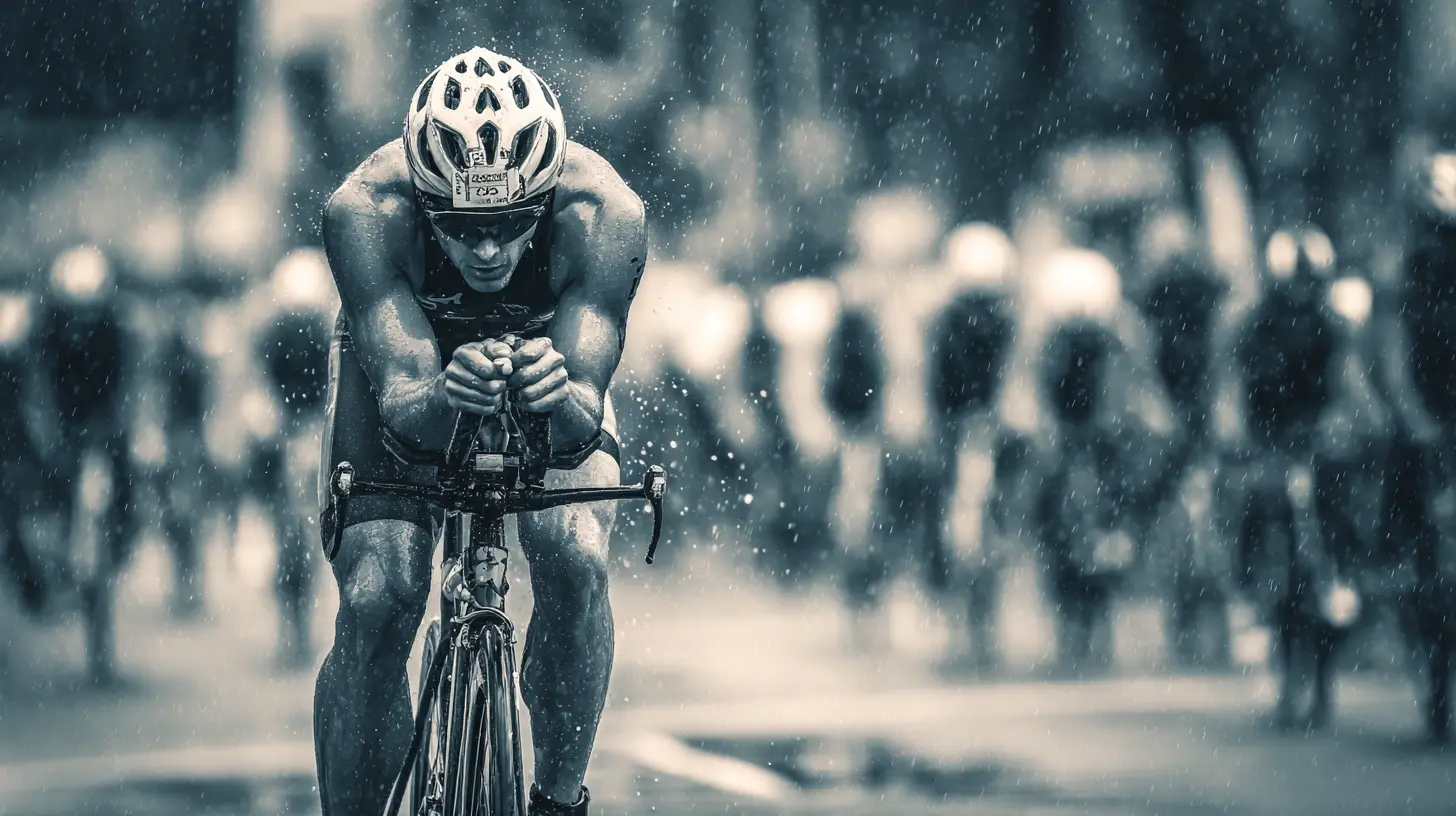
Mastering the Transitions (T1 & T2)
Transitions—known as T1 (swim to bike) and T2 (bike to run)—are where rookies either shine or stumble. You don’t need to be lightning fast; you need to be calm and deliberate.T1 Tips:
- Practice taking your wetsuit off fast. Use Body Glide on ankles and wrists to prevent sticking.- Don't rush and forget stuff—helmet on and clipped before touching the bike.
- Grab nutrition if you need it here but don’t stand there eating—move and munch!
T2 Tips:
- Rack your bike before removing your helmet (this is a rule, not a suggestion).- Slip into your running shoes, grab your cap or sunglasses, and run out like you mean it.
Transitions are where time disappears if you’re not prepared. Treat them like a fourth and fifth leg of the race.
Swim Strategy: Don’t Burn Out Early
The swim is the part that spooks most beginners, and I get it—people flailing, goggles fogging, panic attacks. It’s like a wet UFC match at times.Here’s how to stay cool (literally and mentally):
- Seed Yourself Wisely. Start at the back or side of your wave if you're not confident.- Short Strokes, Steady Breathing. No need to channel Michael Phelps—just stay consistent.
- Sight Every 4-6 Strokes. Don’t swim extra mileage negotiating a zigzag path!
- Panic Is Okay—Briefly. If you feel overwhelmed, flip on your back, catch your breath, and get back in the groove.
You're not winning the race in the water, but you can sure lose it there. Focus on exiting the water feeling fresher than fried.
Bike Like a Beast, But Save Some Juice
The bike leg is your longest stretch—get it wrong, and the run will be brutal. Get it right, and you're laughing (okay, maybe not laughing, but not crying either).Bike Smart:
- Get Up to Speed. Don’t hammer it right out of T1. Settle in.- Stick to Your Plan. If you have a power meter or cadence goals, use them.
- Nutrition Starts Here. Begin sipping fluids and eating small bites early. A bonk on the run starts with forgetting to eat on the bike.
And always, always keep to the right unless passing. Drafting is usually NOT allowed, especially in beginner-friendly events. Respect the rules, or you’ll get a time penalty.
Run Strong: It Ain’t Over ‘Til It’s Over
The moment you've dreaded is finally here—running on legs that feel like jelly. But good news: everyone else feels the same.How to Survive (and Even Thrive):
- Ease Into It. First mile = survival mode. Don’t sprint.- Walk If Needed. Power-walking at aid stations is a smart play.
- Mental Tricks. Count steps, pick off runners one by one, smile at volunteers—it keeps you distracted from the pain.
Remember, no matter how rough the run feels, the finish line is close. Your goal? Cross it upright and smiling.
Nutrition and Hydration: The Fourth Discipline
Ignore your fueling, and you might as well race with your shoelaces tied together.Fuel Up like a Pro:
- Pre-Race Meal: Simple carbs, moderate protein, low fiber. Oatmeal, banana, toast = winning combo.- During the Race: Start early. Small sips of water, electrolyte drinks, and quick-carbs like gels or chews every 30-45 minutes.
- Avoid the Gut Bombs: Nothing new on race day. That energy bar from the expo? Fun snack. Terrible race fuel.
Listen to your body, but follow a plan. Hydration is especially key in hot weather—don’t wait until you're thirsty.
Mental Game: Keep the Head in the Race
Your brain might be the most powerful muscle on race day. Sometimes it's the only thing keeping you moving.- Don’t Compare. Everyone is faster and leaner in tri gear—ignore them.
- Break the Race Into Chunks. Swim. Bike. Run. One transition at a time.
- Mantras Work. Pick a short phrase—“Strong and steady” or “You’ve got this”—and repeat it when the going gets tough.
You trained for this. Trust it. Your body follows where your mind leads.
Common Mistakes First-Timers Make (And How to Dodge ‘Em)
Let’s get real for a second. Here are the most common screw-ups—and how to avoid kicking yourself later.| Mistake | Fix |
|--------|-----|
| Skipping breakfast | Eat easy-to-digest carbs 2 hours before |
| Forgetting sunscreen | Apply pre-race; it’s a long day out there |
| Starting the swim too fast | Begin slow, find rhythm |
| Riding too hard | Steady pacing > early glory |
| Not practicing transitions | Simulate at least 2 full transitions before race day |
| Ignoring post-race recovery | Hydrate, stretch, EAT after the race |
Avoiding just a few of these can make your day 10x smoother.
Final Thoughts: Enjoy the Journey
Here’s the truth: Your first triathlon is about completion, not competition.Don’t get so caught up in the details that you forget to appreciate the moment—you’re part of a rare club now. You pushed your limits, trained your tail off, and showed up when it counted.
So when you're racing, take in the crowd cheers, high-five a volunteer, and soak up every second. Win or lose, you're already doing something incredible.
all images in this post were generated using AI tools
Category:
TriathlonAuthor:

Fernando Franklin
Discussion
rate this article
1 comments
Kova Vaughn
Great tips for first-time triathletes! Staying organized and maintaining a positive mindset can make all the difference on race day. Can't wait to see everyone out there!
May 9, 2026 at 10:49 AM
Fernando Franklin
Thanks for your comment! Staying organized and positive really does set the stage for a great race. Excited to see everyone out there too!