Understanding the Psychology Behind Football Hooliganism
19 June 2026
Football. It's the beautiful game, right? Passion, pride, joy, community—these are the things we usually associate with it. But let’s be real: there’s an ugly side too. One that’s scarred the sport for decades. We’re talking about football hooliganism.
Ever wondered what drives seemingly ordinary people to turn into aggressive mobs over a football match? Why does a game that’s supposed to unite fans from all walks of life sometimes brew violence, chaos, and fear? Buckle up, because we’re diving into the complex world of the human mind to make sense of this bizarre phenomenon.
What Exactly Is Football Hooliganism?
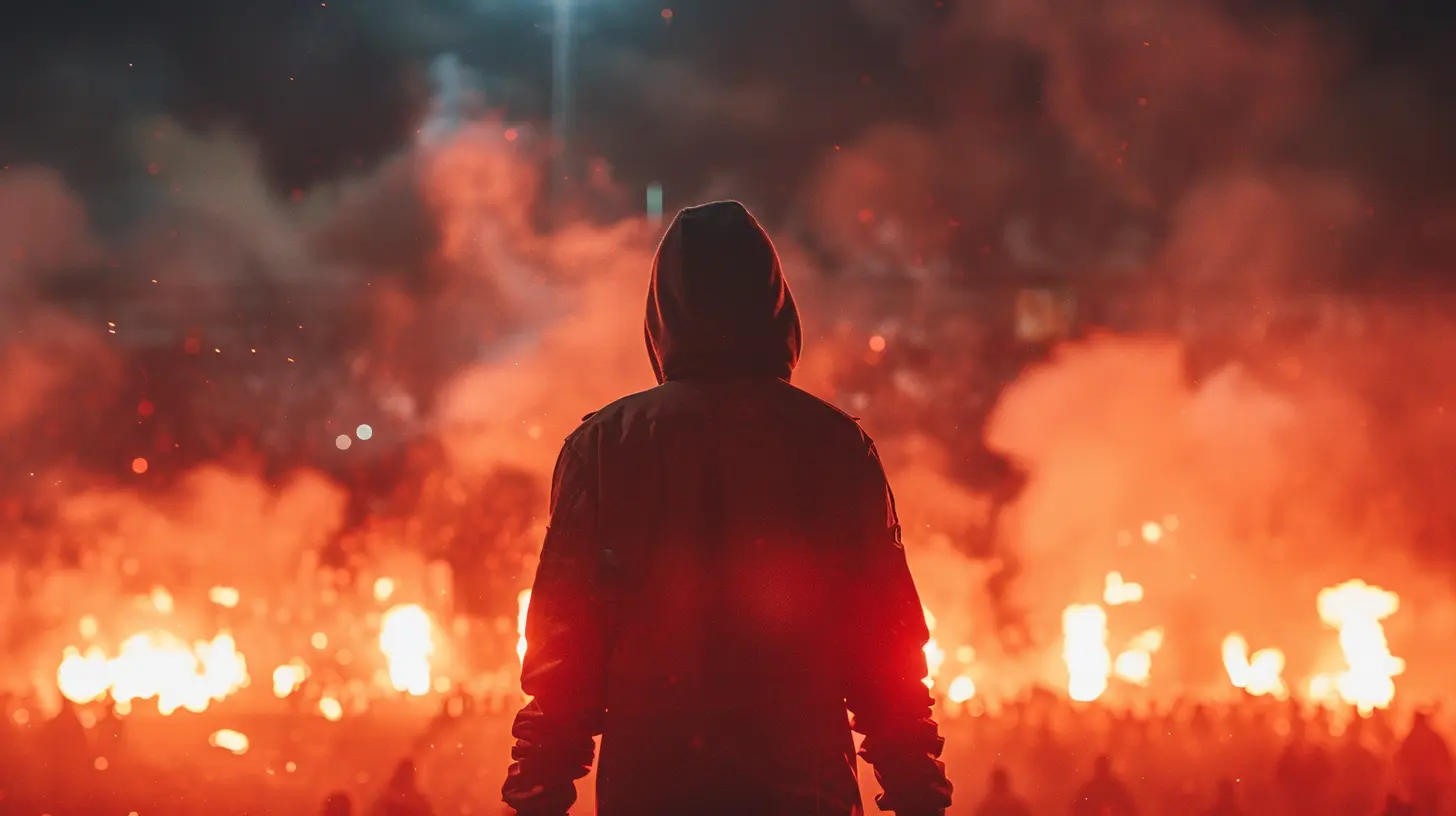
Let’s clear the air first. Football hooliganism isn't just yelling at the ref or trash-talking the opposing team. It’s violent, organized, and often premeditated behavior by fans, usually directed at rival supporters, police, or even property. From throwing punches in the stands to street riots and vandalism, it’s about as far from “sportsmanship” as you can get.Though it's been around since the early days of modern football, it really grabbed the world's attention in the 1970s and 80s. The UK, in particular, became the poster child for hooligan culture, with notorious firms (aka hooligan gangs) like the Inter City Firm (ICF) making headlines.
But this isn’t just a British issue. Football hooliganism has reared its head across Europe, South America, and even parts of Asia. So, what's going on here? Is it just tribal pride gone wrong, or is there something deeper at play?
The Tribal Instinct: Us vs. Them
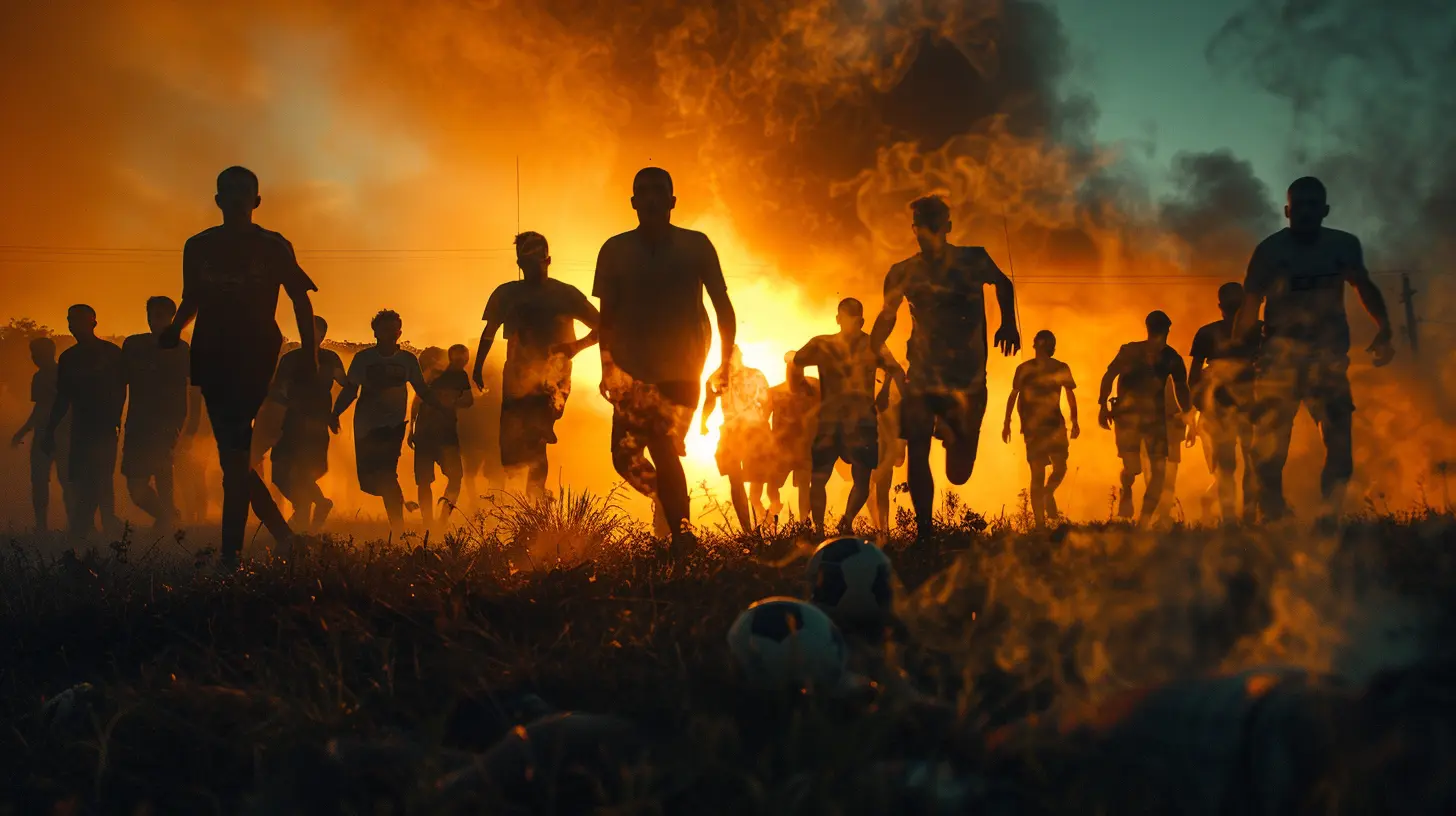
Let’s start with something ancient—our brains. We’re hardwired to belong to groups. It’s like our brain clings to the idea of "us vs. them." From an evolutionary perspective, this helped humans survive. Solidarity within the group increased our chances against predators or rival tribes.Now apply that to football. Your team becomes your tribe. The stadium? A modern battlefield. Supporting your team isn’t just about cheering them on; it’s about defending your identity. So when rival fans show up, it's not just a game anymore. It’s personal.
This tribal mentality can actually alter how fans view morality. The psychology term for this? “Deindividuation.” In crowds, people lose their sense of personal responsibility. Suddenly, smashing a bus window “for the lads” doesn’t feel so wrong. You’re not John Smith—you’re one of the boys, defending the badge.
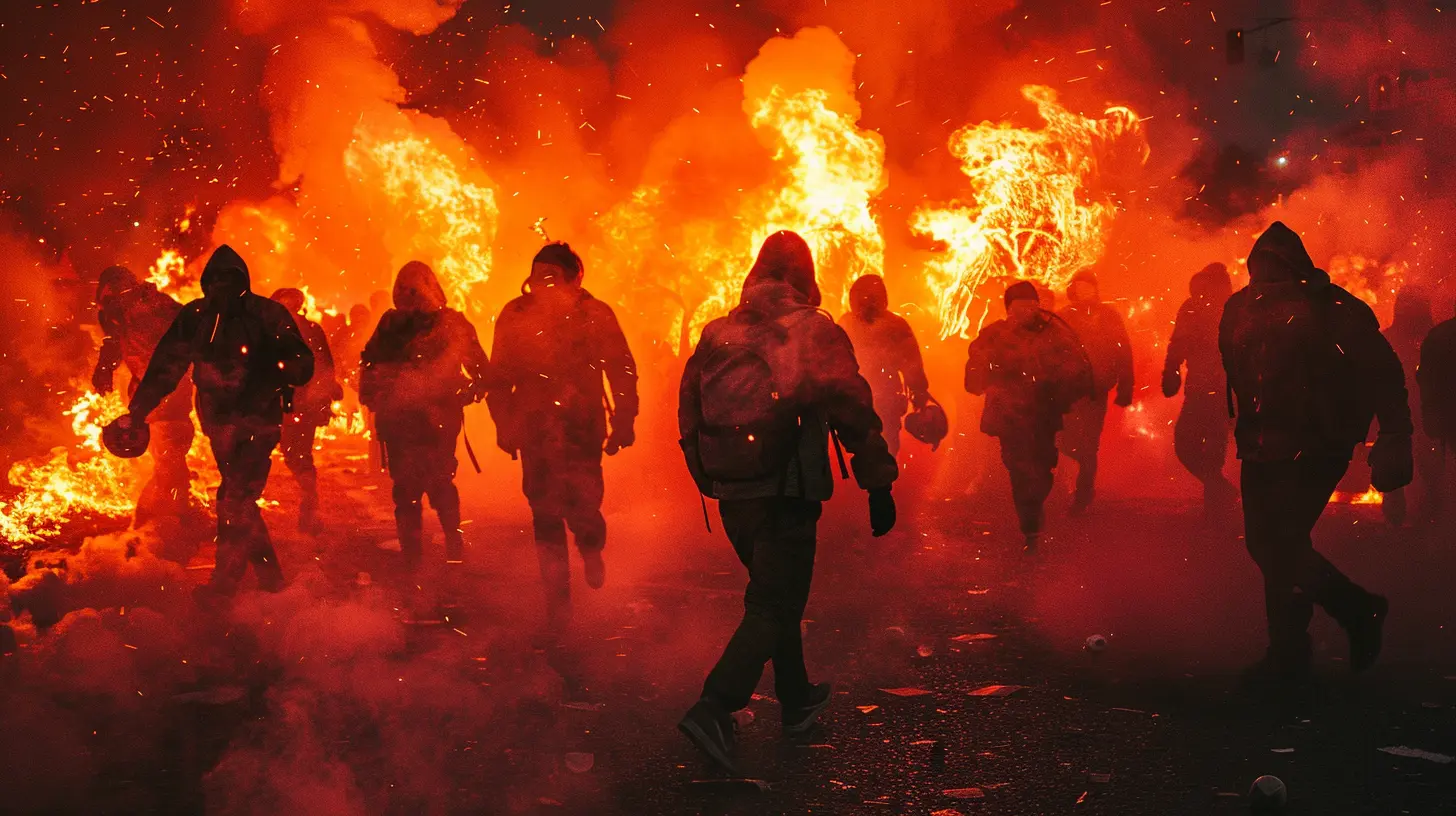
Social Identity Theory: The Badge of Belonging
Another major psychological concept that helps us understand hooliganism is Henri Tajfel’s Social Identity Theory. Sounds fancy, but it’s really simple.We all define ourselves through the groups we’re part of. And when we're deeply connected to a group—like a football club—we tend to see our group (the ingroup) as superior, and other groups (the outgroup) as inferior. It’s not just “I support Liverpool,” it’s “We’re better than Everton, full stop.”
This us-vs-them outlook can escalate quickly. If your identity is tied to your team, then any threat to your team becomes a threat to you. And threats make us defensive. Even aggressive.
Sound familiar?
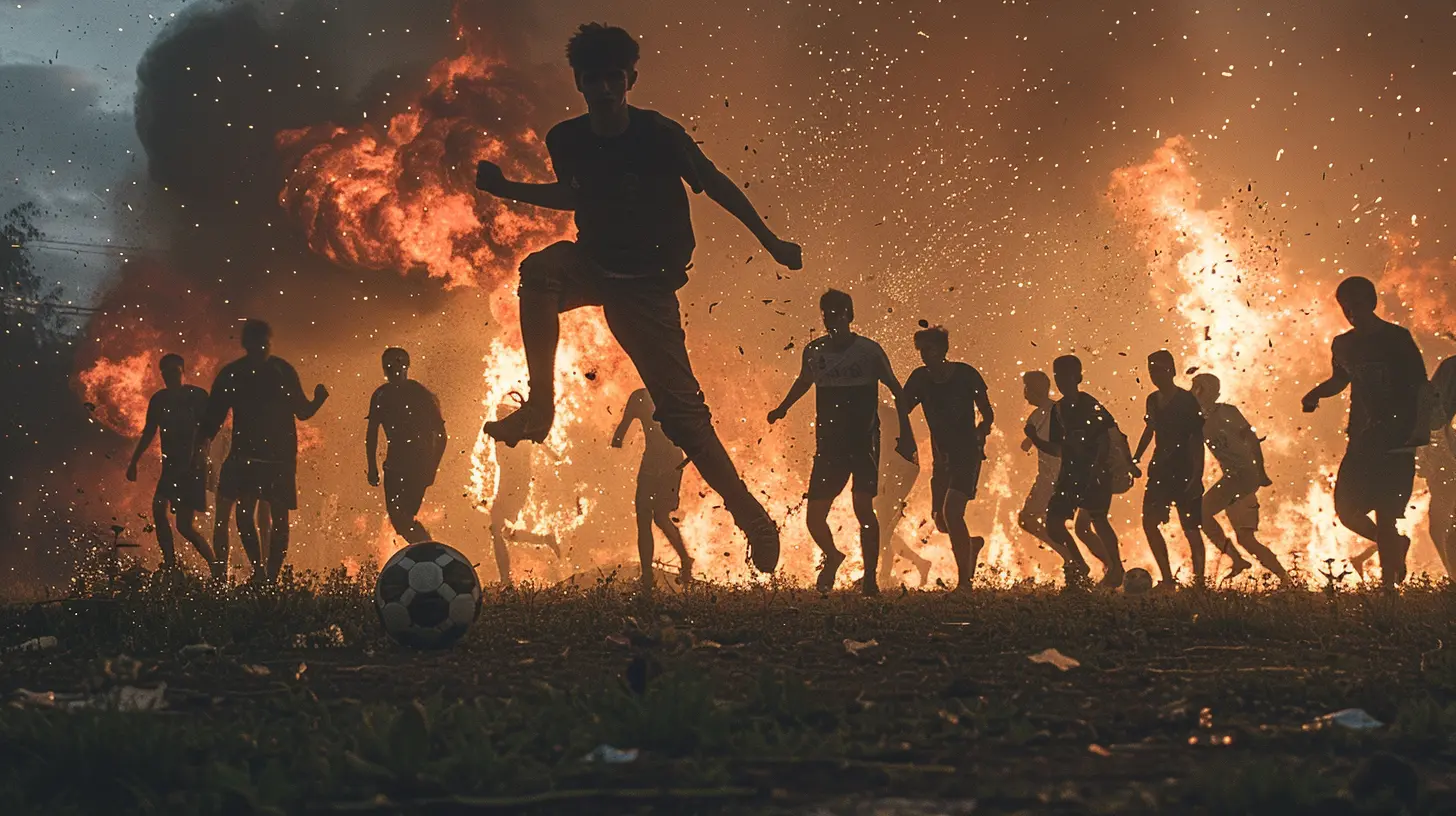
Peer Pressure and the Pack Effect
Ever noticed how calm people suddenly transform into beasts in a crowd? That’s not magic. That’s social pressure at work.In group settings, individuals often mimic the emotions and actions of those around them. It's called the "pack effect." One person chants, another joins, and before you know it, the whole terrace is bouncing. That’s great for creating atmosphere—but it also works with aggression.
If you're hanging with a group of mates who are chucking bottles, smashing pub windows, or squaring up to police, you’re more likely to join in—even if you're not naturally violent. Why? Because no one wants to look weak. Especially when soaked in beer and testosterone.
Peer validation is powerful. And in the moment, it can override your better judgment.
Alcohol: The Liquid Fuel
Ah yes, alcohol. No article on football hooliganism would be complete without mentioning it. Let’s call it what it is—the ultimate social lubricant.It lowers inhibitions, throws self-control out the window, and heightens emotion. Mix that with tribal loyalty, peer pressure, and a big game day atmosphere? KABOOM. You’ve got a recipe for trouble.
While not all hooliganism is alcohol-fueled, booze undeniably plays a major role. Many of the most violent incidents in football history happened after heavy pre-match drinking sessions.
Economic and Social Frustration
Here’s one that’s often overlooked: socioeconomic background.Many hooligans come from working-class areas where opportunities are limited, and frustration runs high. When life feels bleak or society makes you feel invisible, finding identity and power through football makes sense.
Imagine being ignored Monday through Friday, then becoming a “top boy” on Saturday, walking into a pub with your crew like celebrities. Football offers status. Importance. Belonging.
Hooliganism, twisted as it is, becomes a way to channel that bottled-up anger and gain recognition.
Media Glorification and the Cult of the ‘Hard Man’
Let’s not ignore the media’s role here. Films like “Green Street,” “The Football Factory,” and “Rise of the Footsoldier” have helped romanticize hooligan culture. The firm leaders—the so-called “top boys”—are often portrayed as tough, loyal, and honorable in their own way.And guess what? That myth sticks.
Young, impressionable fans see these characters and think, “That could be me.” Before you know it, you’ve got teenagers joining firms, chasing clout, and emulating behaviors they see on screens. It’s the age-old issue of glorifying the villain.
Policing and Provocation
Let’s pause for a second. It’s easy to blame fans for all the chaos, but sometimes the authorities get it wrong too.Heavy-handed policing, aggressive tactics, and a lack of crowd understanding can make situations worse. Treating fans like criminals before they’ve done anything can escalate tensions. That doesn’t excuse bad behavior, but it adds another layer of complexity.
Smarter policing strategies—like using spotters, plainclothes officers, and fan liaison teams—tend to work better than riot shields and batons.
The Internet’s Dark Alley
Social media isn’t just for memes and match highlights anymore. It's become a powerful tool for organizing violence. Private Facebook groups, encrypted WhatsApp chats, and forum threads allow hooligan firms to plan meets, track rival movements, and share “glory moments” of brawls.This online world helps grow the hooligan subculture. It gives members status and validation through likes, shares, and comments. And because it's behind screens, it feels less real—less dangerous—when planning something reckless.
Why Some People Are More Prone to It Than Others
Not everyone who loves football gets involved in hooliganism. So what makes certain people more vulnerable?Here are a few psychological traits commonly found in football hooligans:
- Low impulse control
- High aggression levels
- Strong need for social belonging
- Low empathy toward outsiders
- Desire for dominance or recognition
It’s not a one-size-fits-all profile, but these traits can make someone more susceptible to being drawn into the hooligan lifestyle.
Can Hooliganism Be Stopped?
Good question. The bad news? Hooliganism likely won’t disappear completely. As long as there’s tribalism, alcohol, and social frustration, there will be outbreaks of violence.The good news? It can be reduced. And the psychology behind it holds the key.
? Behavioral therapy programs for offenders
? Education and awareness campaigns in schools
? Smarter, more empathetic policing
? Community-driven fan engagement
? Investing in deprived areas
All of these approaches work better than just slapping bans and fines on people. Long-term change requires digging into the “why,” not just punishing the “what.”
Final Thoughts
Football hooliganism isn’t just about throwing punches and breaking seats. It’s a psychological cocktail of identity, frustration, tribalism, and emotion. It’s messy, complicated, and, frankly, a little heartbreaking when you think about how a sport that brings joy to millions can be twisted into violence.But understanding the psychology behind it brings us one step closer to tackling the issue at its roots. Ultimately, football should go back to being what it’s meant to be—a game that unites us, not divides us.
So next time you see a clash between rival fans, maybe take a moment to ask: what's really going on in those brains?
all images in this post were generated using AI tools
Category:
HooliganismAuthor:
Fernando Franklin
Discussion
rate this article
1 comments
Tessa Fletcher
What drives this behavior? So intriguing!
June 28, 2026 at 12:55 PM
Fernando Franklin
It's a mix of identity, belonging, and release of pent-up frustration. The group dynamic plays a huge role too.