Fan or Foe? The Thin Line Between Support and Violence
13 June 2026
Let’s be real for a moment — sports aren't just games. They’re passion, pride, and sometimes, even identity. Whether it’s roaring in the stands during a final match or rocking your team’s jersey like it’s your second skin, the love for sports can run deep. But… and it’s a big but — when does that burning passion boil over into something dangerous?
Welcome to the emotional rollercoaster that is fandom. One second you're celebrating, arms linked with strangers, sweeping high-fives around like you're giving out candy — and the next, someone’s throwing a punch because their team conceded a goal.
Fan or Foe? Yeah, that's the question. Let’s dig into where the line blurs between being a loyal fan and becoming, well… kind of a problem.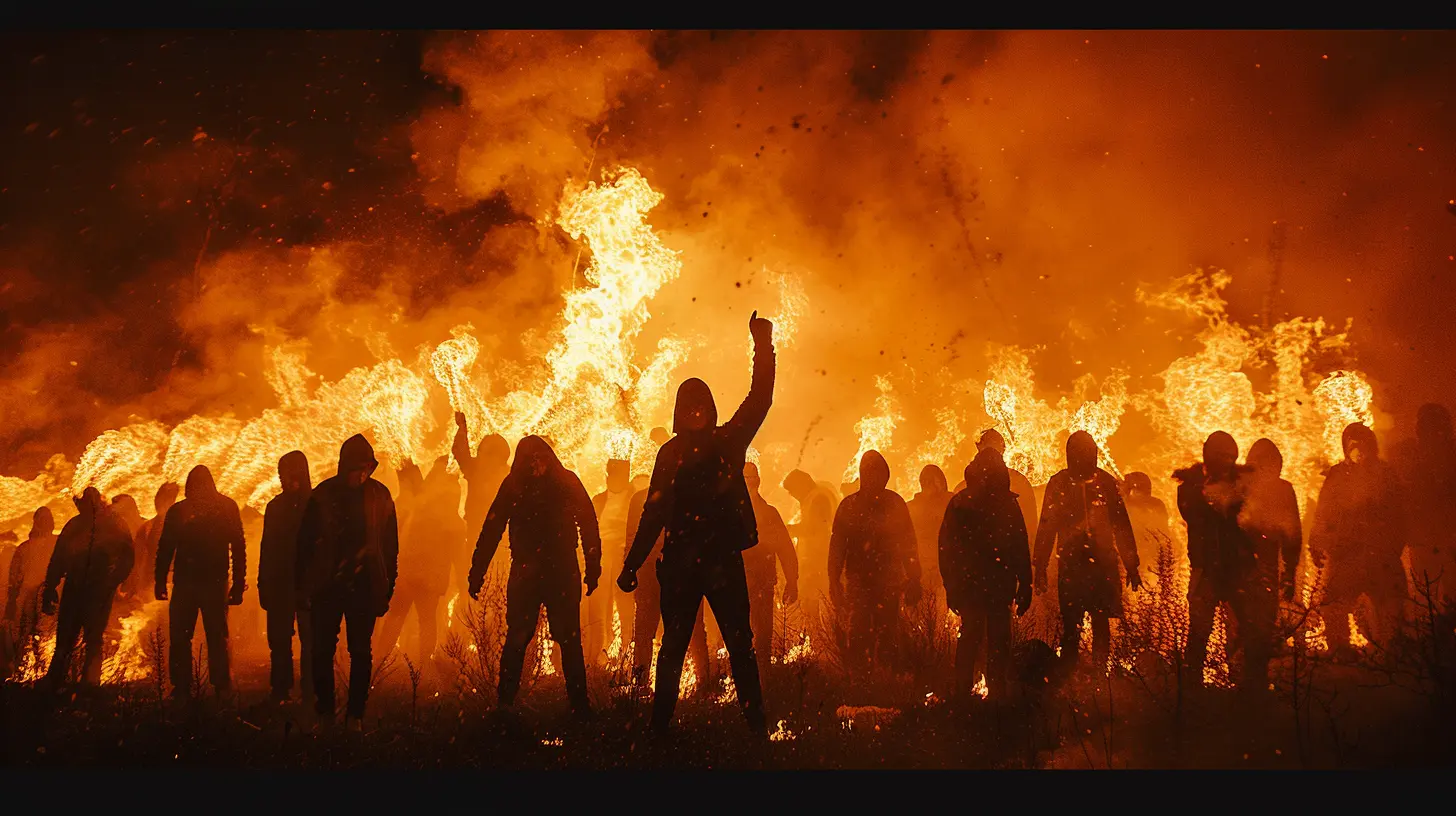
The Heart of Fandom: Where’s It All Coming From?
First, let’s not get it twisted — being a fan is awesome. It's about connection. It’s about backing something bigger than yourself. That feeling when your team wins? Straight-up euphoria. It’s community, tradition, excitement — a unique kind of magic.But fandom isn’t just cheering from the couch or decking out your Twitter bio with your team’s tagline. For some, it's a lifestyle. They plan weddings around game days, name their pets after players, and travel cross-country for away games. And hey, that’s cool — we love the dedication.
Still, like anything that stirs strong emotions, there’s a dark side.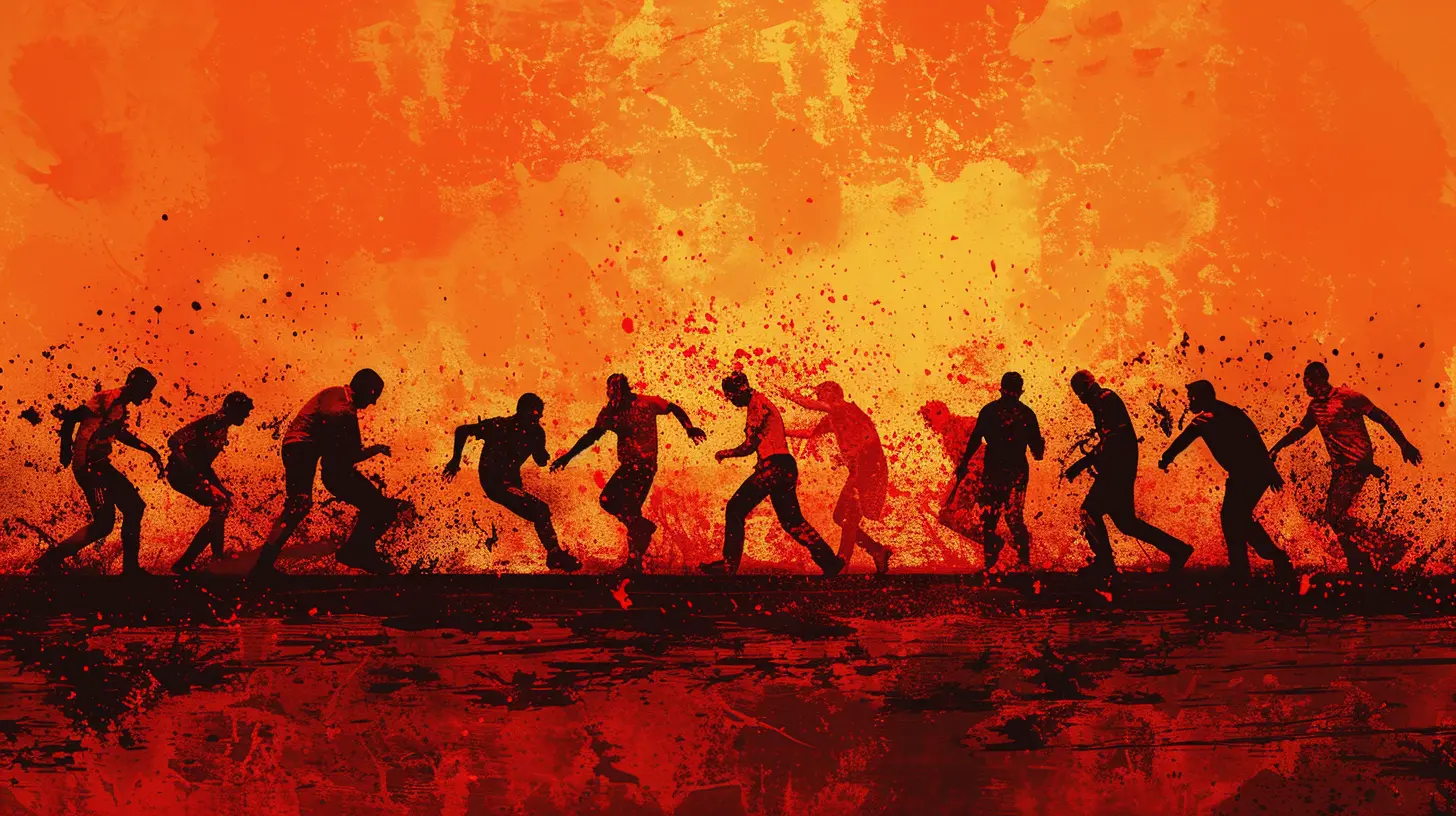
When Passion Turns Poisonous
It usually starts small. A bit of banter, rivalries, shouting at the ref from your seat.But then — maybe your team loses, or a call doesn’t go your way — and someone flips. Curses start flying, fists follow, and suddenly you're not watching a game anymore… you’re caught in the chaos that no one signed up for.
Let’s call it what it is — violence in sports fandom is real. And it’s ugly.
Whether it's pitch invasions, throwing bottles, online abuse, or full-blown riots — some fans lose sight of the game and focus on destruction. What’s meant to be entertainment becomes an excuse for aggression.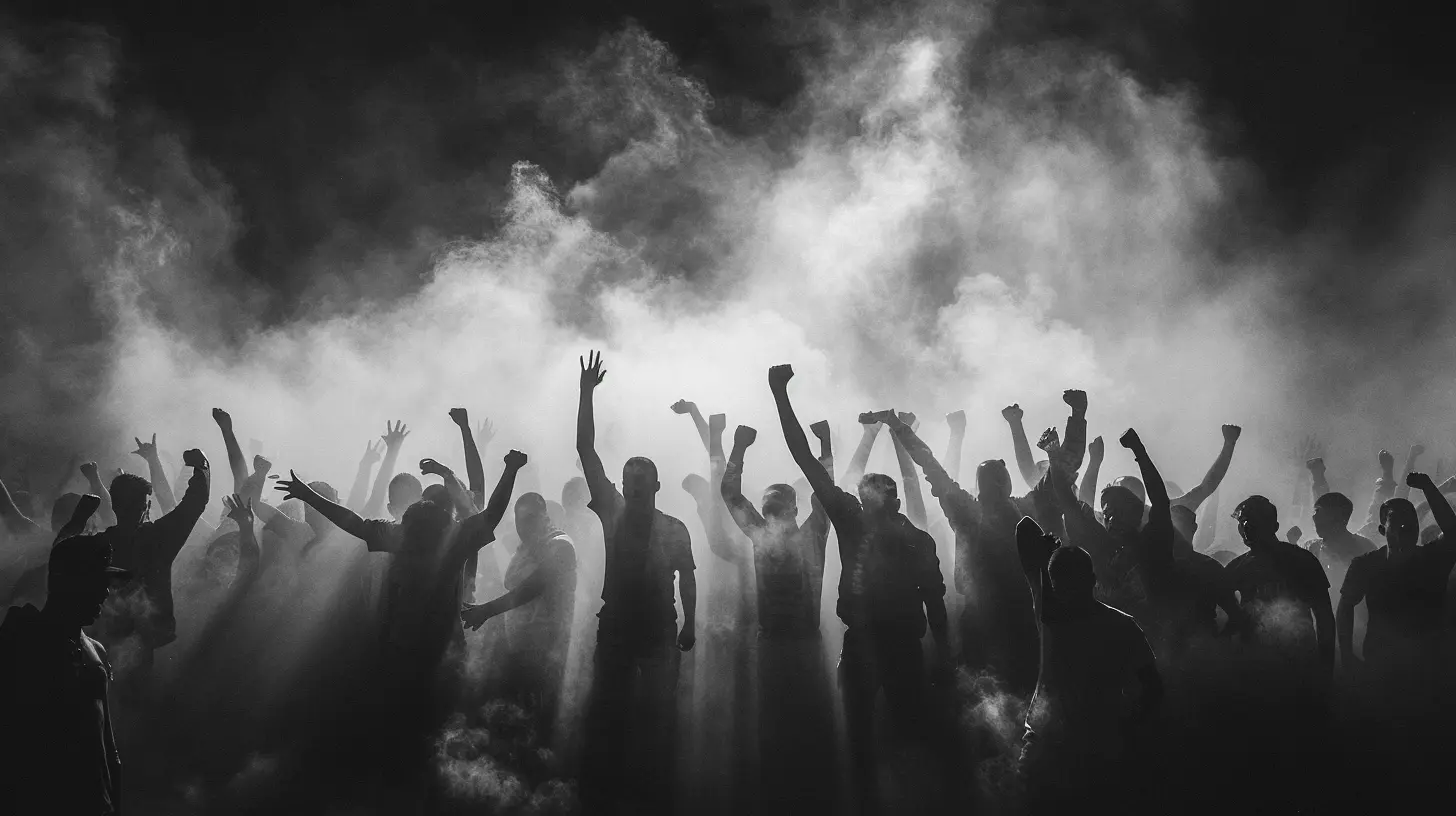
Fandom Isn’t a Free Pass for Bad Behavior
Look, we get how emotions run high. But being a “die-hard fan” doesn’t give anyone the license to threaten players, attack other fans, or vandalize cities after a loss.Imagine if every time someone got frustrated at work, they smashed a window or punched a coworker? You’d call that workplace violence, right? So why does yelling slurs or starting fights at a game get brushed off as "passion"?
It’s not passion. It’s a problem.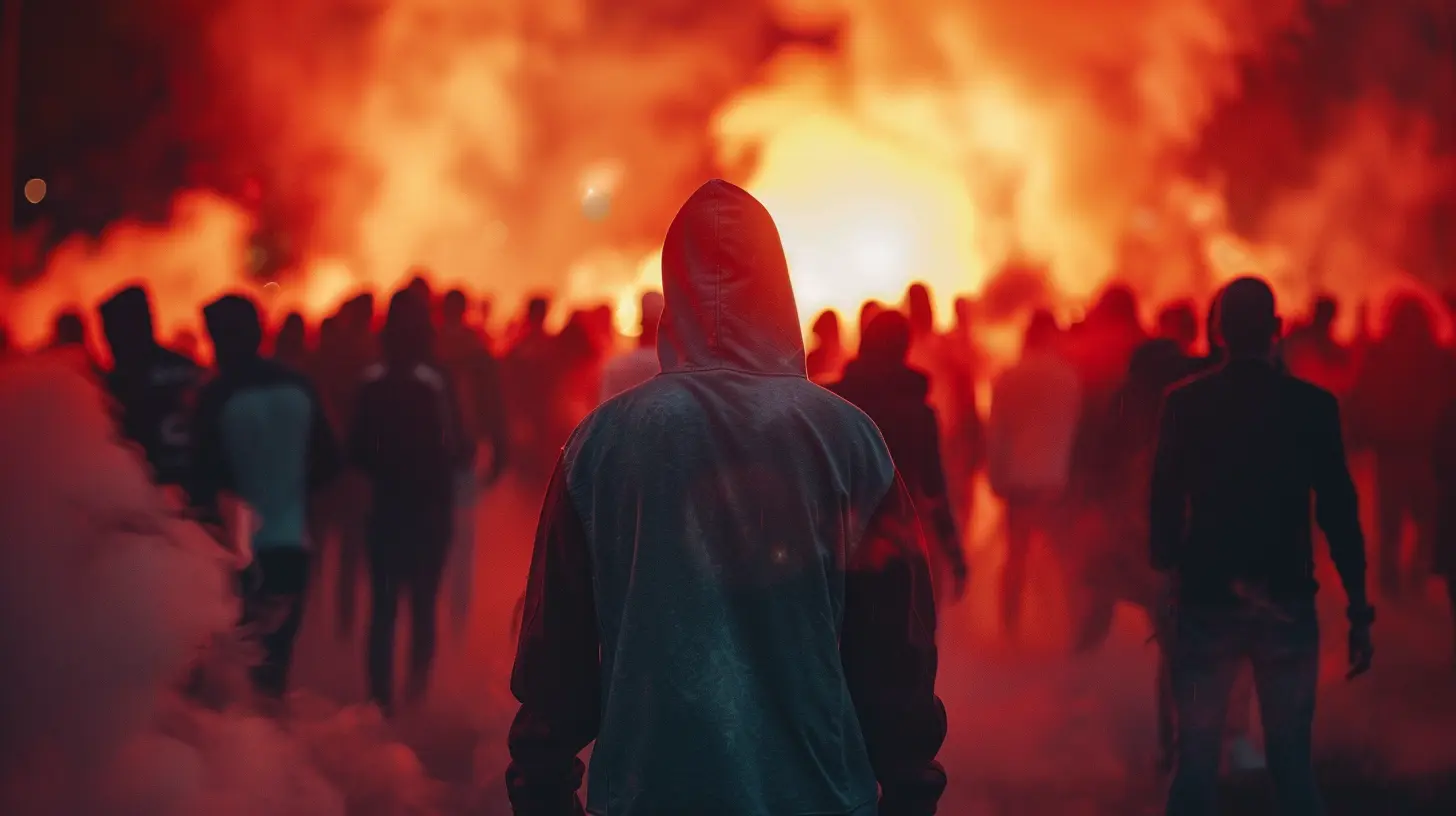
Social Media: The Modern Bleachers (And Battlefield)
Let’s not forget the digital age we live in. Twitter (or X, or whatever it’s called today), Facebook groups, Reddit threads — they’ve become the new fan lounges.But while they connect fans across the globe, they also amplify hate, fast. A single bad play and suddenly, the comment sections are a dumpster fire of threats, racism, even death wishes.
Players — actual humans with lives and families — log on to see they’re “trash,” that fans hope they break a leg, or worse. That’s not support. That’s harassment.
Is It Really About the Game Anymore?
Here's where things get weird. Sometimes the violence or hate doesn’t even relate to the game. It becomes about tribalism. Us vs. them. A badge, a color, a city — and suddenly, it's war.In some places, fan groups even have organized units — think ultras and hooligan firms. Their main goal? Not football. Not basketball. Just asserting dominance over rival fans. The match becomes a backdrop to a battlefield.
And honestly… that’s scary.
The Impact: On Players, Fans, and the Game Itself
Let’s talk about the damage.1. Players' Mental Health
Athletes aren’t robots. Behind all the glitz and training montages are real people. When they get booed by their own fans or read hate online, it affects them. Performance dips, confidence tanks, and mental health struggles kick in.Some even quit early — not because they didn’t love the game, but because the “fans” drained the joy out of it.
2. Families and Kids Caught in the Crossfire
Nothing ruins a family outing like shielding your 6-year-old from flying beer bottles or covering their ears from racial slurs hurled across the aisle.Parents want their kids to grow up loving the game, not fearing the stadium. But when violence becomes routine, who wants to bring their children to that?
3. Stadium Sanctions and Bans
Let’s not forget — when things go south repeatedly, clubs get punished. Matches played behind closed doors, point deductions, and even team suspensions. That affects every single supporter — not just the ones causing trouble.Why Does It Happen? Psychology of the “Superfan”
So, why do some people go from chanting to charging?It comes down to identity. Sports can give people meaning, structure, even self-worth. In times when personal lives feel chaotic or empty, adopting a team can feel like finding purpose.
And when that identity gets challenged — like a loss or an insult from rival fans — it feels personal. That’s when emotions override logic.
Ever heard of the term "deindividuation"? It's when people in a crowd lose their sense of self and morals. You're part of a mob, and suddenly you're doing things you'd never consider alone. That’s stadium psychology 101.
Media and Culture: Stirring the Pot?
Let’s not give the media a free pass either. Controversy sells. The more tension, the better the ratings. Pre-match buildup can feel more like a WWE promo than actual sports coverage.Pundits stoking rivalries, headlines hyping feuds, tweets designed for outrage — it all adds fuel to a fire that's already close to burning out of control.
Drawing the Line: Passion Without Poison
So here’s the big question — how do we fix it?You don’t have to stop being a fan. You don’t have to stop screaming at the top of your lungs when your team scores. But we do have to find that balance.
Here’s what passion without poison might look like:
- Respect over rage — Love your team, but don’t lose your humanity.
- Celebrate, don’t escalate — Win or lose, let’s keep it clean.
- Call out bad behavior — In the stands or online, don’t let hate slide.
- Support mental health — For players, staff, and fans. Everyone matters.
- Encourage clubs to act — Reporting systems, stronger bans, zero tolerance policies.
Real Talk: Fans Hold the Power
Here’s the truth — fans can be the most powerful force in sports. You shape the atmosphere, fuel the momentum, and drive the culture. That power can uplift… or destroy.Next time you go to a game or log into that fan forum, ask yourself:
> Am I being a fan, or am I becoming a foe?
Because trust me, your team needs your support — not your hate.
Let’s Rewrite the Script
Let’s make stadiums safe again. Let’s bring back the joy, the chants, the shared tears and crazy celebrations. Let’s teach this next generation of fans that passion is powerful — but it should always be positive.Because at the end of the day, it’s not just about a scoreline or a trophy. It’s about connection, community, and loving the game enough to protect it.
And if we can’t draw that line between support and violence now… when will we?
all images in this post were generated using AI tools
Category:
HooliganismAuthor:
Fernando Franklin
Discussion
rate this article
1 comments
Mika Lamb
Support passion, reject violence entirely.
June 20, 2026 at 2:50 AM
Fernando Franklin
I completely agree. Passion should fuel positive actions, not violence.