Race Day Nutrition: What to Eat Before, During, and After Your Triathlon
6 May 2026
Ah, race day. The nerves are buzzing, your gear is ready, and you’ve trained your heart out for months. But there's one massive part of your triathlon performance that many athletes overlook or get horribly wrong—nutrition. No matter how strong your legs are or how powerful your swim stroke is, if your body is under-fueled, you're toast.
So, let’s break down what you should eat before, during, and after your triathlon to fuel your performance and recovery like a pro.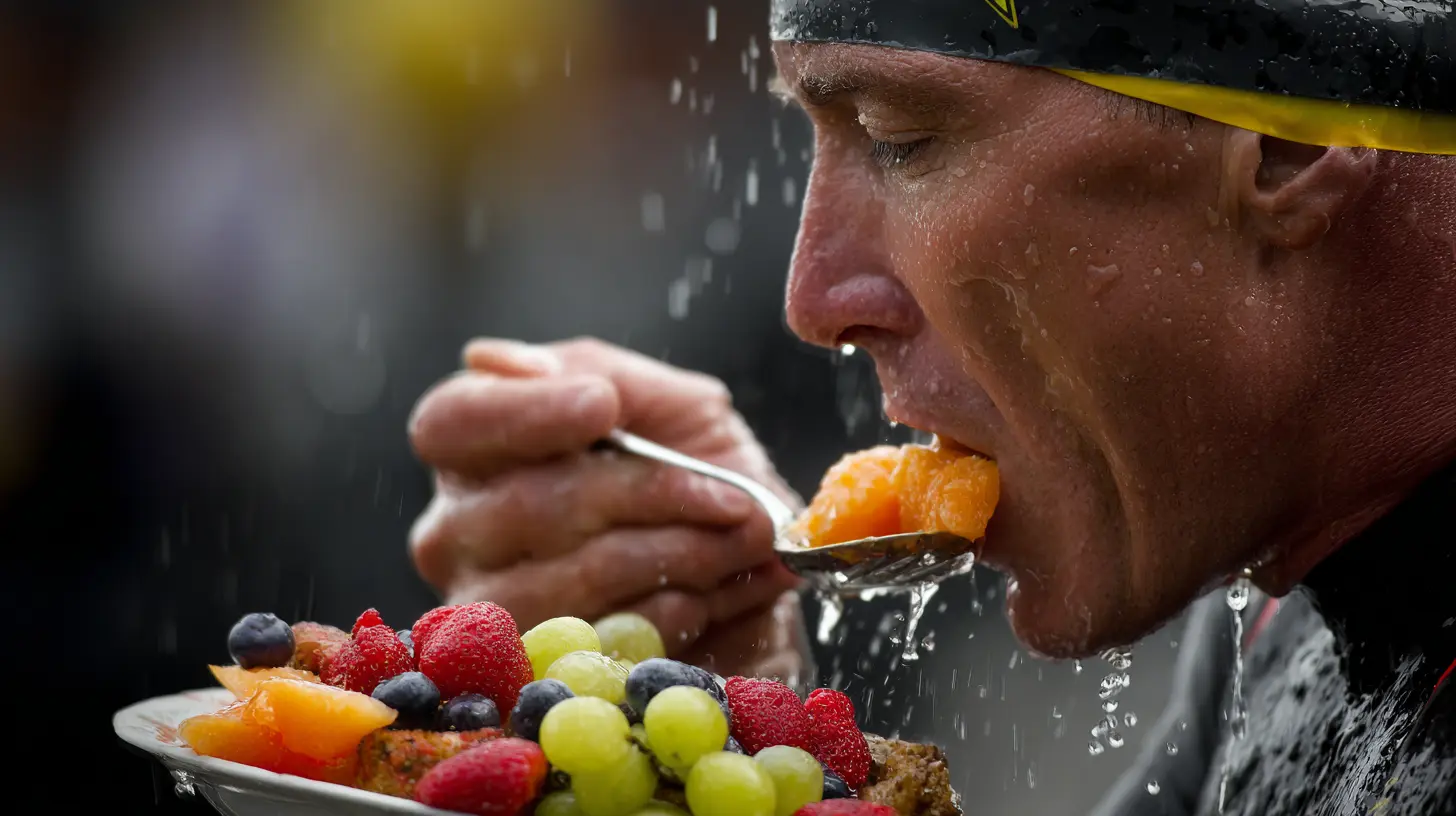
Understanding Triathlon Nutrition: It’s Not One-Size-Fits-All
There’s no magic nutrition formula that works for everyone. Each athlete is different. That said, some general principles can help you make the best choices based on your body, race day conditions, and the race distance—whether you're doing a sprint triathlon, Olympic-length, Half-Ironman, or the full shebang.Triathlon nutrition is like building a house—you can't slap on the roof (race performance) without laying a solid foundation (your daily and pre-race nutrition). Timing, food type, hydration, and even gut training all affect your success.
Ready to eat like a champ on race day?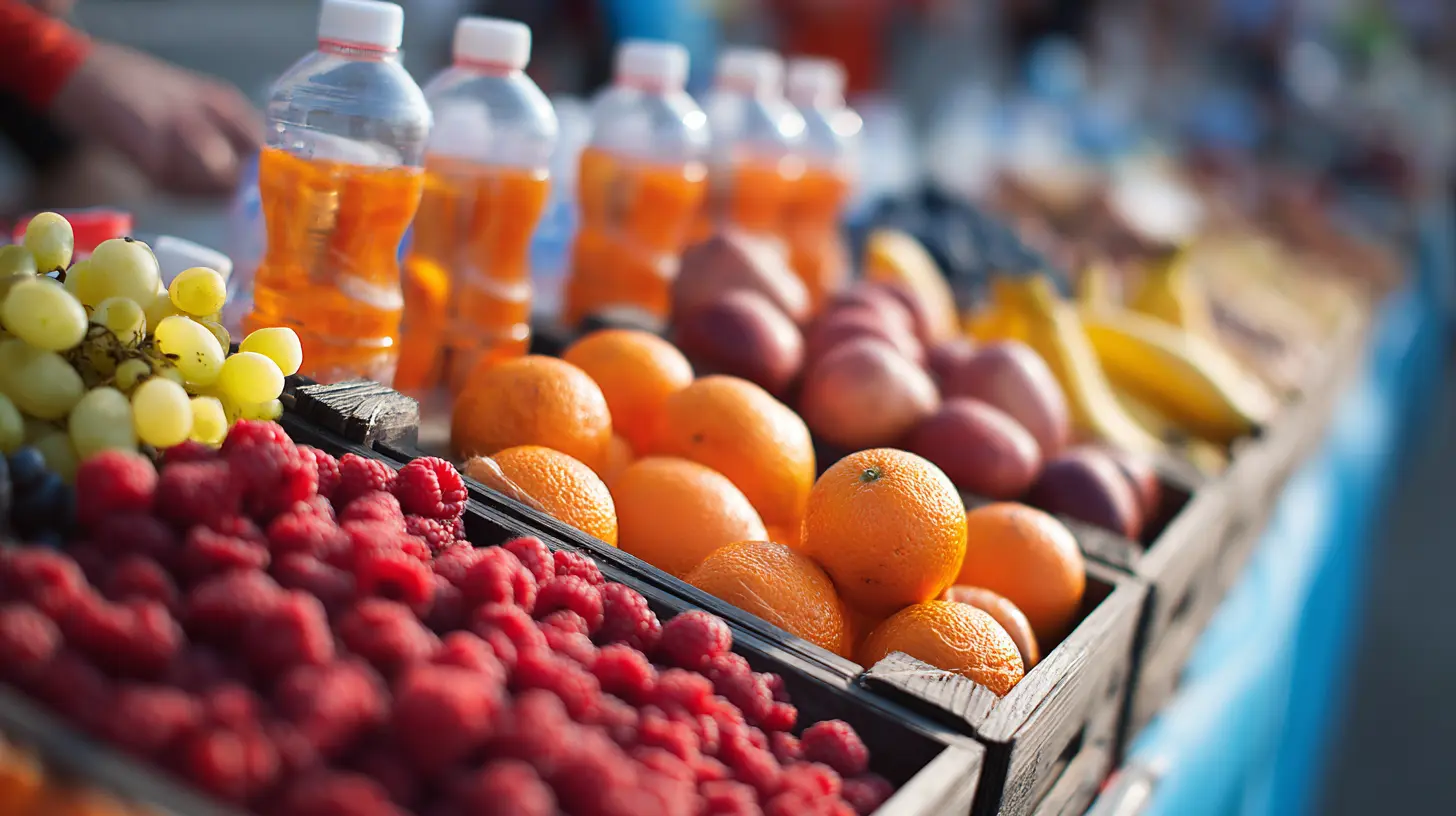
Race Day Nutrition: The Golden Rule
Before we dive into meal plans and strategies, here's one golden rule for anything you eat on race day:? Never try anything new on race day.
If you haven’t trained with it, don’t race with it. That new energy gel you grabbed at the expo? Probably best to leave it for training. Your digestive system needs as much rehearsal as your legs do.
What to Eat Before Your Triathlon
Timing Is Everything
What (and how much) you eat before the race can make or break your performance. The goal is to top off your glycogen stores—the body's preferred energy source for endurance sports—without causing you to feel like there’s a brick in your gut.3-4 Hours Before the Race: The Pre-Race Meal
About 3 to 4 hours before the swim start, have a meal that’s:- High in carbs
- Low in fiber
- Moderate in protein
- Low in fat
Not super hungry? That’s normal due to nerves. Still, try to get some calories in to fuel the beast.
Pre-race meal ideas:
- A bagel with peanut butter and a banana
- Oatmeal with berries and honey
- White rice, scrambled eggs, and a toast
Hydration matters too. Sip water or an electrolyte drink to stay hydrated. Don’t chug; think steady sips.
30-60 Minutes Before: Topping Off the Tank
Now’s the time for a quick, easily digestible snack that keeps your blood sugar stable and gives you a little boost before all hell breaks loose in T1.Snack options:
- One banana
- Energy gel with a few sips of water
- Small energy bar (~100-150 calories)
If caffeine helps you mentally lock in, a small dose here is fine—as long as you’ve trained with it.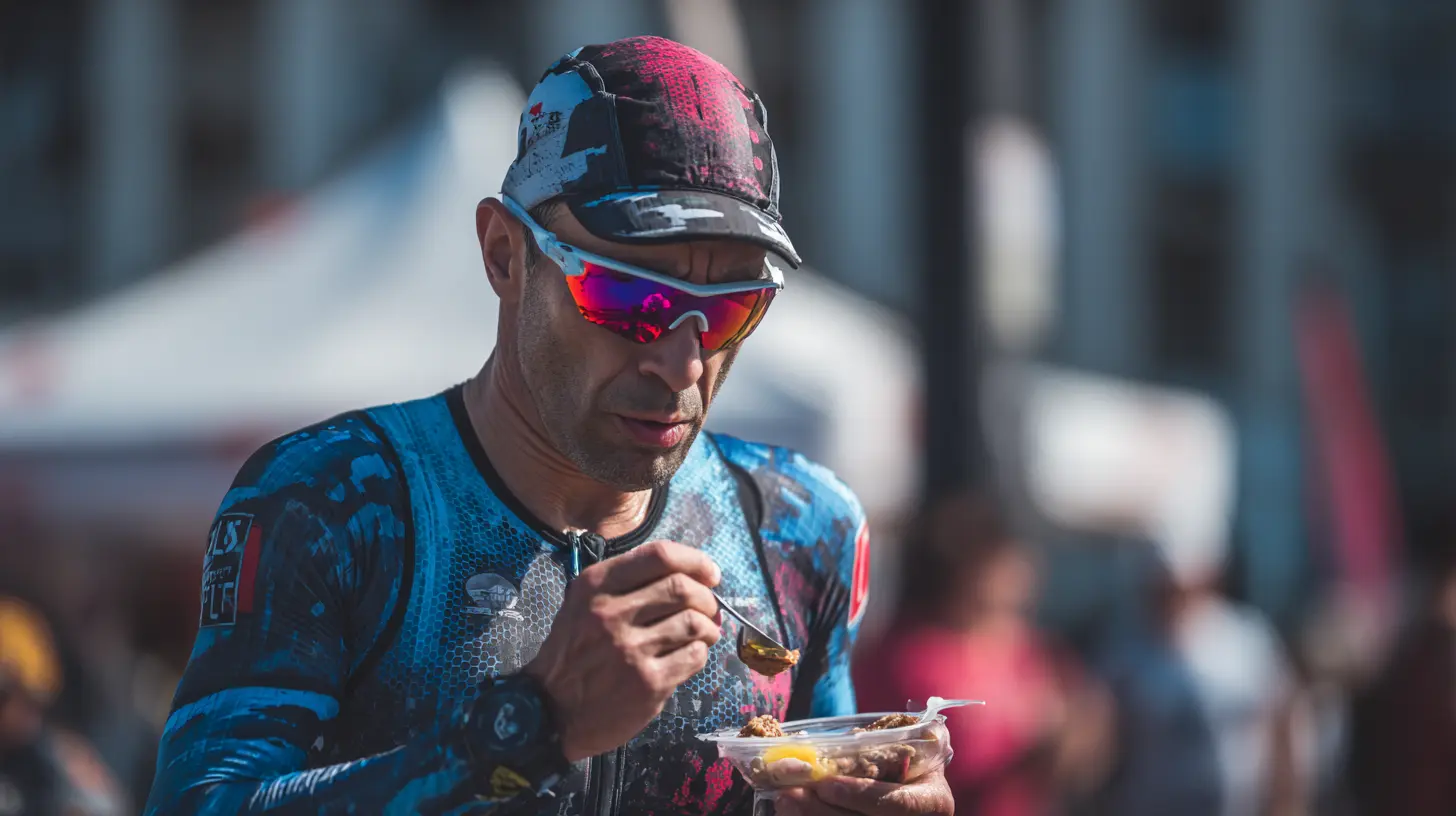
Nutrition During the Race: Fueling on the Fly
Now let’s talk about the part everyone wants to know: how the heck do you eat while swimming, biking, and running?The Swim
Let’s keep it real: you're not eating while you're swimming. But what you eat before the swim sets the tone.Hydration and electrolytes before the swim are key, especially if you're racing in hot weather. If it's a long race, consider a gel 15 minutes before the swim start.
The Bike: The Nutrition Highway
Here's where you can do the bulk of your fueling. You're not bouncing as much as you do during the run, and you can carry bottles, gels, bars, and whatever else you need.General Guidelines:
- Calories: Aim for 200–300 calories per hour- Carbs: 30–60g/hour for Olympic distances; 60–90g/hour for long courses
- Hydration: 16–24 oz of fluid per hour, depending on sweat rate
- Electrolytes: 400–800 mg of sodium/hour
You can mix it up between:
- Energy gels
- Sports drinks
- Cliff bars or other energy bars
- Bananas or rice cakes (for longer races)
Bike tip: Set a timer on your watch to remind you to sip and nibble every 15–20 minutes.
The Run: Strategic Survival
This is where things get tricky. Your stomach is sloshing, you're tired, and you may not feel like eating. But you have to keep fueling.Stick to simple, fast-absorbing carbs:
- Gels
- Chews
- Sports drinks
- Cola (yep, that flat Coke at the aid station can be magical)
Run Guidelines:
- Calories: 150–200/hour- Hydration: Sip small amounts frequently
- Electrolytes: Stay on top; cramps are a real party crasher
Pro tip: Practice run fueling in training. This is where GI distress is most likely to show up—and ruin your day.
What to Eat After Your Triathlon: Recovery Mode
You made it across the finish line. Nice work! Now your triathlon nutrition plan flips into recovery mode.Why does this matter? Because your body has been pushed to the brink and every cell is screaming for nutrients. Your muscles need proteins and carbs to repair and refill glycogen stores. Skipping or delaying this step can leave you sore, sluggish, and slow to bounce back.
The First 30-60 Minutes: The Recovery Window
Aim to eat a balanced recovery meal or snack with:- Carbohydrates (1.0-1.2g/kg of body weight)
- Protein (20–30g)
- Fluids and electrolytes
Quick post-race options:
- Chocolate milk (classic recovery drink)
- Protein shake with a banana
- Turkey sandwich and a sports drink
The Full Meal (1-2 Hours Later)
When your stomach settles, dig into a full, balanced meal with real foods:- Grilled chicken, rice, and veggies
- Pasta with salmon and a side salad
- Burrito bowl with beans, avocado, and lean meat
And keep sipping water or electrolyte-rich fluids if you've lost a lot of sweat.
Hydration: The Silent Game-Changer
Let’s not forget hydration—it can sneakily destroy your race if you get it wrong.Start race day hydrated (your pee should be pale yellow). Use a hydration strategy personalized to your sweat rate. Some athletes lose over 1 liter per hour; others far less.
Consider these tools:
- Sodium supplements for long races
- Electrolyte tabs in hot conditions
- Salted snacks like pretzels (yes, it works!)
The Role of Gut Training
This one's often overlooked. If you want to load up on carbs during the race without turning your stomach into a washing machine, you need to train your gut.Practice your race nutrition strategy during long bricks and simulations. Get your stomach used to digesting while in motion. Just like you train your legs, you need to train your digestive system.
Common Nutrition Mistakes to Avoid
1. Overfueling before the race – Leads to bloating and sluggishness.2. Underfueling during the race – Hits you like a truck by the run.
3. Trying new products on race day – That new gel could be your worst nightmare.
4. Neglecting electrolytes – Hello, cramps and dizziness!
5. Waiting too long to eat post-race – Your body misses the critical recovery window.
Avoid these and your performance (and stomach) will thank you.
Tailoring Nutrition for Race Distance
Here’s a quick cheat sheet for how nutrition varies based on race type:| Race Type | Calories/hr | Carbs/hr (g) | Hydration |
|-------------------|-------------|--------------|------------------|
| Sprint (1-2 hrs) | 150–200 | 30–45 | Moderate |
| Olympic (2-3 hrs) | 200–250 | 45–60 | Moderate–High |
| Half Ironman | 250–300 | 60–90 | High |
| Full Ironman | 300+ | 90+ | Very High |
Start practicing these ranges in training and adjust to what your body handles best.
Final Thoughts: Eat Smart, Race Strong
Race day nutrition is an art and a science. It's as personal as your running shoes. The key is dialing in what works for you—not just following someone else’s plan.Treat your body like a high-performance engine. Would you fill a Formula 1 car with cheap gas? Heck no. So don’t do it to your body when it matters most.
Test, tweak, learn, repeat. When you've got race day fueling nailed, you'll feel the difference—in your energy, performance, and recovery.
So eat smart, race strong, and don’t forget to enjoy that finish line snack—you earned it.
all images in this post were generated using AI tools
Category:
TriathlonAuthor:

Fernando Franklin
Discussion
rate this article
1 comments
Elijah McHugh
Great tips on race day nutrition! Fueling properly can make all the difference in performance. Stay energized and focused, and remember to enjoy every moment of your triathlon journey!
May 16, 2026 at 12:42 PM