The Role of Leadership in Executing a Winning Strategy
21 June 2026
Let’s get one thing straight: strategy without leadership is like a sports car with no engine. It might look fancy on paper, but it's not going anywhere fast.
Whether you’re on a basketball court, football field, or running a Fortune 500 company, strategy is only as good as the leader driving it. You can have a killer game plan, the most stacked team, and all the resources in the world—but without someone at the helm guiding the ship and calling the shots, you're just rolling the dice.
So buckle up, sports fans and strategy nerds, because we’re diving into why leadership is the MVP of any winning game plan.
What Exactly Is Leadership, Anyway?
Let’s not overcomplicate things. Leadership isn't about barking orders or flexing a title. It’s about influence, vision, and the ability to get people moving in the same direction—with the same fire in their eyes.Great leaders inspire. They bring out the best in their team. They set the tone, not just for the game but for the grind. They’re the glue that keeps everything together when the pressure mounts.
In sports, think of a coach like Phil Jackson or a captain like Tom Brady. These aren’t just players or coaches—these are people who transform talent into triumph.
Strategy Without Execution? That’s a Fantasy
You’ve probably heard the phrase "execution eats strategy for breakfast." And yep, it’s true. You can diagram a flawless play on the whiteboard, but if you can't get your team to carry it out, you might as well be drawing doodles.And guess what? Execution starts with leadership.
A leader turns strategy into action. They break it down, translate it, and ignite the team. Because let's be real—those game-winning plays won’t run themselves.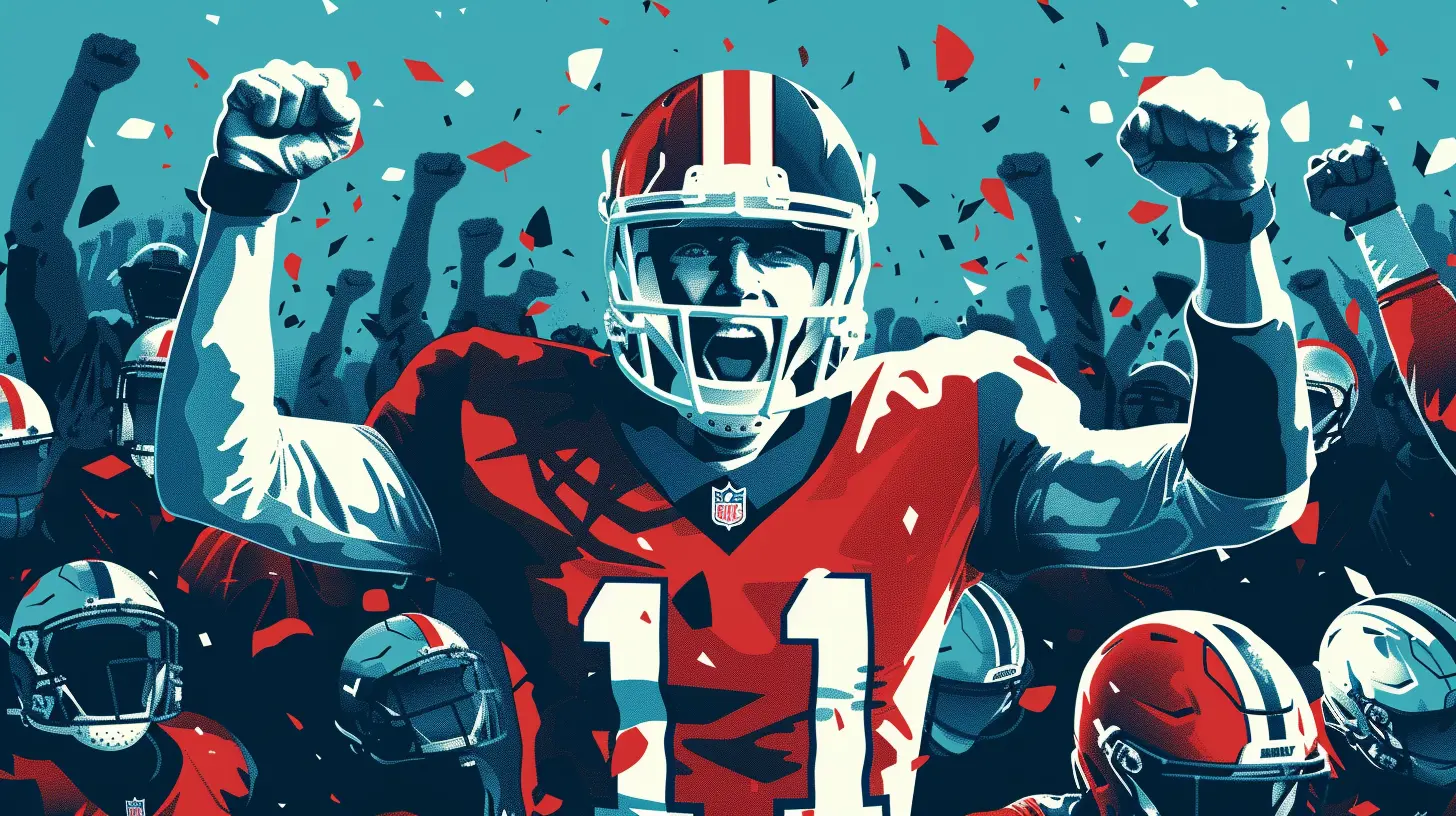
Why Leadership is the Secret Sauce to Strategy
Now, here’s where it gets juicy. Let’s break down why leadership is the not-so-secret sauce to make any strategy actually work.1. Leaders Create Buy-In
You can’t execute a plan if no one believes in it. A strong leader doesn’t just drop a strategy on the table—they sell it. They explain the why, break down the how, and rally the team behind the goal.Ever watched a coach give a halftime pep talk that flips the game script? That’s buy-in in action. It’s belief. It’s passion. It’s trust.
Without buy-in, strategy becomes just another item on a to-do list. But a good leader makes it a mission.
2. Leaders Build Trust and Culture
Trust is like air: you don’t notice it until it’s gone. And culture? Well, that’s the heartbeat of any team. Without trust and a strong culture, no game plan—no matter how brilliant—will hold.Leaders model the behavior they want to see. They lead with integrity, and they create an environment where players feel safe to take risks, fail fast, and dig deep. Trust opens the door for relentless effort and honest feedback.
You ever notice how winning teams always feel different? That’s culture, baby. And it starts at the top.
3. Leaders Keep the Team Focused
Distractions? Drama? Pressure? Oh, they’re coming. But a good leader keeps everyone’s eyes locked on the prize.They don’t get lost in the noise. They don’t let egos run the locker room. They keep the squad unified, sharp, and motivated. That focus? It’s what turns chaos into cohesion.
Because when the going gets tough (and it will), it's the leader who keeps the engine running.
Leadership Styles That Win the Game
Not all leaders wear the same sneakers. Different styles can get results—it’s about knowing what fits your team and situation.The Visionary Leader
Think: pep talks that give you goosebumps. This leader paints a picture of the future so clear, the team can already taste the trophy.They don’t micromanage—they inspire. They challenge the norm and encourage innovation.
The Democratic Leader
These folks are all about collaboration. They listen, they value input, they build consensus. It works wonders for team chemistry and accountability because everyone has skin in the game.The Autocratic Leader
This one calls the shots. It’s their way or the highway. Not always warm and fuzzy, but when time is short and stakes are high, sometimes a firm, decisive voice is needed.The Servant Leader
This leader puts the team first. Always. They focus on lifting others, creating opportunities, and removing obstacles. Quiet but powerful.Bottom line? There’s no one-size-fits-all. The best leaders know when to be firm, when to listen, and how to stay authentic.
Real Talk: Leadership in Sports vs Business
Now, you might be wondering, “Alright, is this just about sports?” Heck no.The same leadership principles apply whether you're managing a football team or a Fortune 500 powerhouse.
➡️ The New England Patriots didn’t become a dynasty by chance—it took Bill Belichick’s methodical leadership paired with Tom Brady’s unshakable presence.
➡️ On the flip side, companies like Apple and Tesla didn’t rise to the top just because of technology. Leaders like Steve Jobs and Elon Musk brought intense vision, relentless focus, and the guts to take game-changing risks.
Whether it’s a locker room or a boardroom, it’s the person steering the ship that makes or breaks the mission.
Challenges Leaders Face When Executing Strategy
Let’s not sugarcoat it—leading strategy execution isn’t all locker room cheers and championship rings.Resistance to Change
Nobody likes shaking up their routine—even if it’s for the better. Leaders have to navigate fears, doubts, and pushback with grace and grit.Misaligned Teams
If everyone’s not rowing in the same direction, the boat’s going nowhere. Strong leaders constantly realign goals, expectations, and energy.Lack of Accountability
You can’t afford passengers on the journey to success. Leaders hold people accountable—not in a mean way, but in a “we’re all in this together” way.How to Develop Leadership That Executes
So maybe you’re reading this thinking, “Cool, but I’m no Phil Jackson.” Don’t stress—leadership is a skill, not just a trait. And yes, you can build it.1. Get Self-Aware
Great leaders know their strengths and their blind spots. They ask for feedback. They stay hungry to improve.2. Communicate Like a Pro
Clear. Honest. Motivating. Leaders talk to their team, not at them.3. Lead by Example
Want hustle? Show it. Want accountability? Start with yourself. Actions speak louder than any locker room speech.4. Keep Learning
Read, watch, listen—whatever works. Leadership evolves, and the best leaders keep evolving too.Final Whistle: Leadership Makes Strategy Come Alive
Let’s wrap this up with a truth bomb: strategy is your roadmap, but leadership is your gas pedal.Without strong, consistent leadership, even the best-laid plans fizzle. In the high-stakes, high-pressure world of sports (or business), leadership is the X-factor—reliable, bold, and always ready to rise to the moment.
Great leaders don’t just manage—they inspire. They don’t just talk—they walk. And they’re the ones who turn hopes into highlights, plans into performance, and dreams into dynasties.
So next time you're drawing up a strategy, remember—it's not just about the playbook. It's about the person holding it.
all images in this post were generated using AI tools
Category:
StrategyAuthor:

Fernando Franklin
Discussion
rate this article
1 comments
Geneva Pacheco
Leadership inspires teams to embrace a winning strategy.
June 24, 2026 at 3:44 AM
Fernando Franklin
Absolutely, effective leadership sets the tone and motivates teams to align with a clear vision for success.